


























In the modern era of construction, the pursuit of energy efficiency has shifted from being a specialized niche to a fundamental requirement of all new developments. Among the various strategies employed to achieve this goal, the integration of shading systems stands out as one of the most impactful and visible methods of environmental control. As our climate continues to warm and urban heat islands become more intense, the ability to manage solar radiation is no longer just a matter of comfort it is a critical component of building survival and operational viability. These systems, ranging from traditional fixed louvers to high-tech dynamic skins, represent the primary interface through which a building negotiates its relationship with the sun. By carefully calibrating how much light and heat are allowed to pass through the envelope, architects can create structures that are both aesthetically striking and fundamentally responsible. This balance is the hallmark of modern green construction, where the constraints of the natural environment are transformed into opportunities for architectural innovation and environmental stewardship.
The Mechanics of Solar Protection and Thermal Stability
The fundamental objective of shading systems is to mitigate the impact of solar heat gain on a building’s interior. When sunlight strikes a glazed surface, it passes through and is absorbed by the internal mass, which then re-radiates that energy as long-wave heat. This greenhouse effect can rapidly overwhelm HVAC systems, leading to skyrocketing energy costs and occupant discomfort. However, by implementing sun control solutions on the exterior of the building, this energy can be intercepted and dissipated before it ever reaches the glass. This is the essence of passive design using the building’s own geometry and specialized components to perform work that would otherwise require expensive and carbon-intensive mechanical energy. Whether through deep overhangs, vertical fins, or perforated screens, the goal is to create a thermal barrier that preserves the cool interior air. The effectiveness of these systems is often measured by their ability to reduce the peak cooling load, which in turn allows for the installation of smaller, more efficient HVAC units, further compounding the building’s energy savings and reducing initial capital expenditure.
Architectural Shading as a Design Language
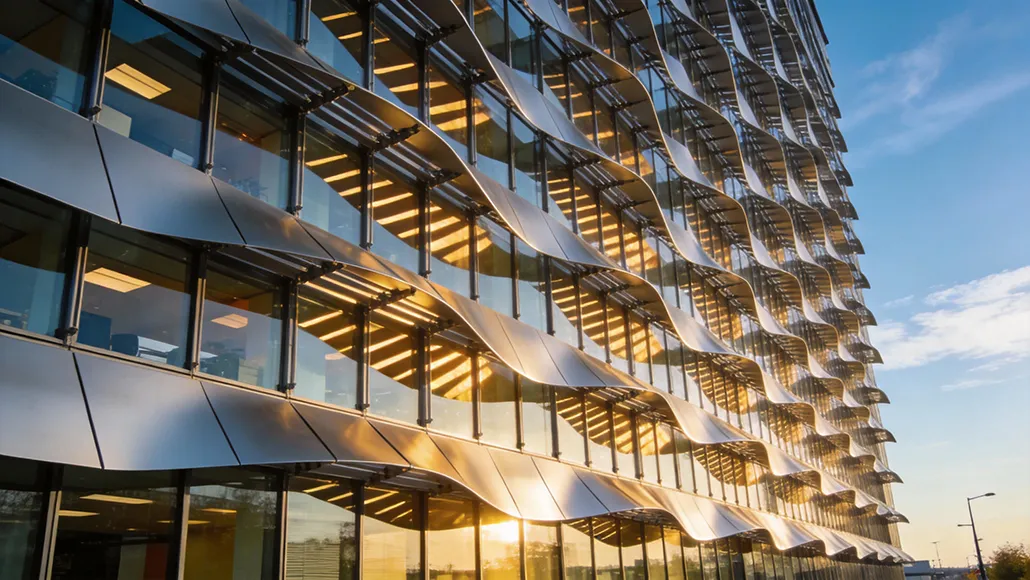
For many years, shading was viewed as an additive element that potentially cluttered the clean lines of a facade. Today, however, architectural shading has become a primary driver of modern design aesthetics. We see spectacular examples of buildings wrapped in intricate lattice-work or clad in kinetic panels that move in synchronization with the sun’s path. These elements provide a sense of depth, texture, and rhythm to the building’s exterior, turning what is essentially a functional requirement into a poetic expression of the structure’s purpose. In this way, green construction does not have to be a compromise on beauty; rather, the constraints of solar management can lead to entirely new and innovative forms of architectural beauty that are deeply rooted in the logic of their specific location and climate. The play of light and shadow created by these systems adds a dynamic quality to the building, changing its appearance throughout the day and the seasons. This connection to the celestial rhythm fosters a deeper appreciation for the environment and elevates the building from a mere container into a responsive participant in the local landscape.
Dynamic Solutions for a Changing Environment
As technology has advanced, so too has the sophistication of our solar control mechanisms. We are seeing a move away from static, “one-size-fits-all” solutions toward dynamic shading systems that can adapt to changing conditions in real-time. These systems utilize light sensors and automated controls to adjust the angle of louvers or the deployment of screens based on the intensity of the sun and the specific needs of the internal zones. For instance, on a cloudy day, the system might fully retract to maximize daylight penetration, while on a bright summer afternoon, it would automatically deploy to block ninety percent of the solar heat. This level of responsiveness ensures that energy efficient buildings remain optimized at every hour of the day, regardless of seasonal variations or unpredictable weather patterns. Furthermore, these dynamic systems can be integrated with the building’s digital twin, allowing for predictive adjustments based on weather forecasts. This foresight prevents the interior from overheating before the sun even reaches its peak, maintaining a perfectly stable environment with minimal energy expenditure.
The Psychology of Daylight and Visual Ergonomics
While thermal control is the primary driver for many developers, the impact of shading on the human experience cannot be overstated. High-quality shading systems are designed to manage “visual comfort,” which involves balancing the desire for views and natural light with the need to prevent glare. Glare can cause significant eye strain and headaches, particularly in office environments where computer screens are in constant use. By using materials with specific translucency or carefully spaced slats, architects can “sift” the sunlight, creating a soft, diffused glow that fills the room without creating distracting hotspots. This attention to visual ergonomics is a key indicator of a high-performance building that truly values its occupants’ health and productivity. The psychological benefits of being in a space with controlled, natural light are well-documented, including improved mood, better sleep quality, and a general sense of well-being. By prioritizing these human factors, shading systems do more than just save energy; they create environments where people can thrive.
Material Innovation and Environmental Impact
The materials used in modern shading systems are also undergoing a revolution. We are moving beyond simple metal slats toward high-tech fabrics, recycled plastics, and even bio-composites. These materials are chosen for their durability, lightweight nature, and low environmental footprint. Some advanced shading fabrics are even treated with titanium dioxide to help clean the surrounding air, while others feature integrated photovoltaic cells that generate electricity as they block the sun. This multi-functional approach to material selection is essential for the future of sustainable construction. Furthermore, the use of timber for shading fins is gaining popularity due to its low embodied carbon and natural aesthetic. When sourced from responsibly managed forests, timber shading systems offer a perfect blend of high performance and low environmental impact. The durability of these materials is also a key consideration, as they must withstand decades of exposure to UV radiation and wind without degrading. By investing in high-quality materials, developers can ensure that their shading systems remain effective and attractive for the entire life of the building.
Integration with the Total Building Ecosystem
The most successful implementations of shading systems are those that are integrated into the building’s overall management system. When the shading, lighting, and HVAC controls are all communicating with each other, the building can operate as a single, cohesive unit. For example, when the shades are lowered to block solar gain, the internal lighting system might automatically increase its output to compensate for the reduction in natural light. Conversely, if the building is empty, the shading might remain fully deployed to minimize the cooling load, even if light levels are not a concern. This holistic approach to building operation is what truly defines a modern, sustainable structure. It represents a move away from isolated gadgets toward an integrated intelligence that works tirelessly to minimize waste and maximize comfort. This connectivity also allows for remote monitoring and adjustments, giving facility managers the tools they need to ensure the building is always performing at its peak. In an era of high energy prices and strict carbon regulations, this level of control is no longer a luxury it is an operational necessity.
The Future of Solar Control and Urban Resilience
As we look to the future, the role of shading systems in urban resilience will only grow. In cities where heatwaves are becoming more frequent and intense, the ability of a building to remain habitable during a power outage depends largely on its passive thermal performance. Shading systems are the primary tool for achieving this resilience, preventing the interior from reaching dangerous temperatures when mechanical cooling is unavailable. We are also seeing the emergence of “smart” urban-scale shading, where structures over public spaces and streets provide relief from the heat for entire neighborhoods. This community-focused approach to solar control is a vital part of making our cities livable in a warming world. The ongoing development of new technologies, such as thermo-responsive polymers that change shape or color without electricity, promises even more efficient and reliable ways to manage solar energy. By embracing these innovations, we can create a built environment that is not only energy efficient but also deeply resilient and prepared for the challenges of the future.
The ongoing development of new materials and technologies continues to expand the possibilities for shading in the built environment. They are the visible expression of our commitment to a more sustainable way of building and living. By embracing the power of the sun while simultaneously protecting ourselves from its excesses, we can create an architecture that is in harmony with the natural world. Shading is not just a feature; it is a fundamental strategy for creating a resilient and energy-secure future for our cities and their inhabitants. The buildings of tomorrow will be defined by their ability to adapt to the environment, and shading systems will be at the very heart of that adaptation. Through careful design and a commitment to performance, we can ensure that our structures are both beautiful and beneficial to the planet.