
















The building envelope has long been considered the most critical component of any architectural design, serving as the primary interface between the controlled interior and the unpredictable exterior environment. In recent years, the industry has seen a dramatic shift toward advanced facade systems that do far more than provide shelter and aesthetic appeal. These modern systems are engineered to optimize every aspect of building performance, from thermal regulation and daylighting to acoustic isolation and structural resilience. As the global construction sector faces increasing pressure to reduce its carbon footprint and enhance energy security, the development of sophisticated facade engineering has become a cornerstone of sustainable urban development. By treating the building’s skin as a dynamic, responsive organism, architects can now create structures that adapt to their surroundings in real-time, ensuring that the internal environment remains perfect regardless of the weather outside. This transition toward intelligence in the building skin marks the beginning of a new era in architecture, where the boundary between the building and nature is negotiated by advanced technology and material science.
The Science of High Performance Buildings and Envelope Engineering
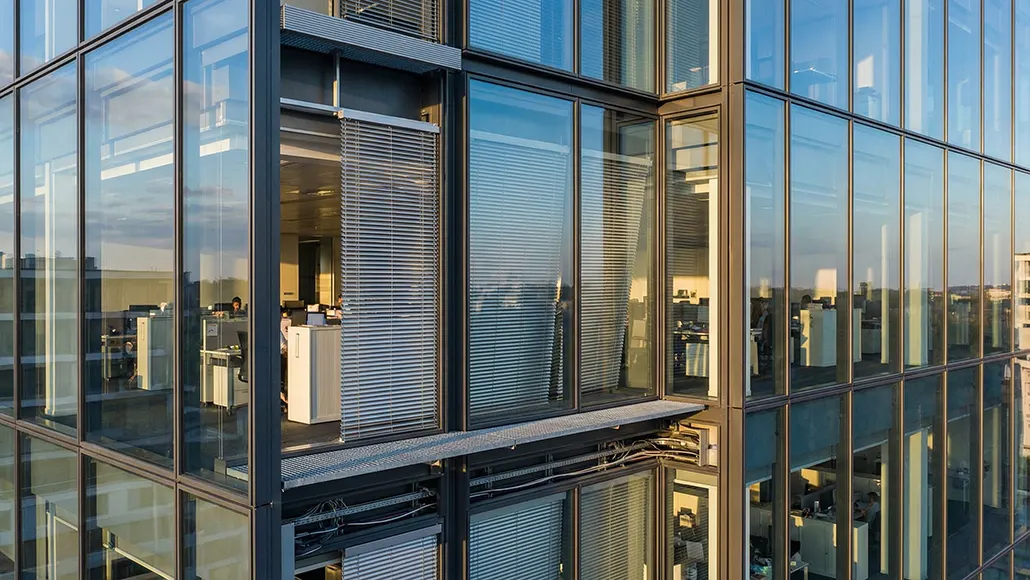
At the core of these innovations is the concept of facade engineering, a discipline that combines structural analysis, material science, and thermal dynamics to create high performance buildings. Unlike traditional masonry or simple curtain walls, advanced facade systems often employ a multi-layered approach to environmental control. Double-skin facades, for instance, utilize two layers of glazing with an intermediate air cavity that acts as a thermal buffer. This cavity can be ventilated to remove excess heat in the summer or sealed to provide additional insulation during the winter. This level of complexity allows for a significant reduction in the building’s overall energy demand, as the HVAC system no longer needs to compensate for the extreme temperature variations that typically plague conventional glass towers. Furthermore, the integration of sensors within these layers allows the building to “sense” changes in wind pressure or solar intensity, adjusting internal blinds or ventilation dampers automatically. This proactive management of the building skin is what truly defines a high-performance envelope, moving beyond static insulation toward active energy generation and regulation.
Innovative Facade Materials and Their Operational Benefits
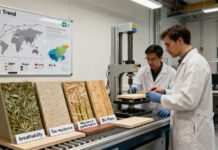
The choice of facade materials plays a pivotal role in determining the long-term success of an envelope system. We are moving away from monolithic materials toward composites and smart surfaces that offer specialized properties. For example, high-performance coatings on aluminum and glass can reflect infrared radiation while allowing visible light to pass through, effectively decoupling light from heat. Additionally, the use of ultra-high-performance concrete (UHPC) and specialized fiber-reinforced polymers has enabled the creation of thinner, lighter, and more durable panels that can withstand high wind loads and seismic activity. These materials not only improve the building’s safety profile but also reduce the structural weight, allowing for more efficient use of foundations and support systems. Another breakthrough is the use of phase-change materials (PCMs) within facade panels, which can absorb heat during the day and release it at night, providing a level of thermal mass that was previously only achievable with thick stone walls. This fusion of material science and architectural innovation is what allows modern facades to perform at levels that were once considered impossible.
Daylight Management and Occupant Comfort Strategies
One of the primary goals of advanced facade systems is the enhancement of the internal environment for its human occupants. Daylight management is a critical factor in this regard, as access to natural light is linked to improved health outcomes, better sleep patterns, and higher levels of concentration. Advanced envelopes utilize sophisticated light-shelves, prismatic glass, and automated louvers to redirect sunlight deep into the building’s core while preventing localized overheating and glare. This creates a more uniform and pleasant lighting environment that reduces the need for artificial lamps during daylight hours. By prioritizing the human experience, these systems transform buildings into spaces that nurture productivity and well-being rather than just providing a place to work or live. The psychological impact of a well-lit, visually connected space cannot be overstated; it fosters a sense of openness and reduces the feeling of confinement often associated with large urban structures. In healthcare settings, this access to natural rhythms has even been shown to speed up patient recovery times, highlighting the profound importance of facade engineering in the broader context of public health.
Acoustics and the Urban Environment Challenge
In dense urban environments, noise pollution is a significant detractor from building quality. Advanced facade systems are increasingly being designed with acoustic performance as a primary consideration. By utilizing laminated glass, varying pane thicknesses, and specialized dampening gaskets, these envelopes can create a near-silent interior environment even in the heart of a bustling city. This is particularly important for residential developments and healthcare facilities where quiet is essential for rest and recovery. The ability of the facade to act as a sound barrier without compromising transparency or ventilation is a testament to the sophistication of modern architectural innovation and the precision of current manufacturing processes. Furthermore, the shape of the facade itself can be optimized through computational fluid dynamics to reduce wind noise and turbulence, ensuring that the building does not create unwanted noise for its neighbors. This holistic approach to sensory management balancing light, heat, and sound is what distinguishes truly advanced facade systems from their more conventional predecessors.
Economic Viability and the Return on Investment
While the initial cost of advanced facade systems can be higher than traditional methods, the long-term economic benefits are substantial. High-performance buildings command higher rents and experience lower vacancy rates, as tenants are increasingly willing to pay a premium for spaces that offer lower utility bills and superior comfort. The reduction in energy consumption is perhaps the most direct financial benefit, with advanced facades often paying for themselves through energy savings within a few years of operation. Additionally, the increased durability of modern facade materials means that the building requires less maintenance and fewer repairs over its lifecycle. Property managers also benefit from the predictive maintenance capabilities of smart facades, which can alert them to minor issues before they become expensive failures. In the eyes of investors, a building equipped with an advanced envelope is a more resilient asset, better protected against future energy price volatility and more likely to meet evolving carbon regulations. The “green premium” is a real and growing phenomenon in the global real estate market, making advanced facade systems a wise investment for any forward-thinking developer.
The Role of Computational Design in Facade Engineering
The creation of these complex systems is made possible by the rise of computational design and Building Information Modeling (BIM). Architects can now simulate the performance of thousands of different facade configurations before a single panel is manufactured. This allows for the precise optimization of shading angles, glass types, and structural supports based on the specific microclimate of the site. Generative design algorithms can even suggest entirely new forms that maximize daylight while minimizing heat gain, leading to the organic, flowing facades that are becoming a hallmark of modern cities. This digital-twin approach ensures that the finished building performs exactly as intended, reducing the risk of costly post-construction modifications. The integration of the design and manufacturing processes through digital fabrication also allows for a level of customization and precision that was previously unattainable, enabling the creation of bespoke envelopes that are perfectly tailored to the vision of the architect and the needs of the client.
Sustainability and the Life Cycle of the Building Envelope
The long-term sustainability of a project is often determined by the durability and maintenance requirements of its exterior. Advanced facade systems are designed for longevity, utilizing materials that resist corrosion, UV degradation, and urban pollutants. Furthermore, many modern envelopes are designed with “circularity” in mind, allowing individual components to be easily accessed, repaired, or replaced without requiring a complete overhaul of the system. This modularity ensures that the building can be upgraded as new technologies emerge, preventing premature obsolescence. By investing in high-quality facade engineering at the outset, developers can ensure that their buildings remain efficient and attractive for decades, providing a much higher return on investment and a lower total cost of ownership over the structure’s lifecycle. The use of recycled and low-carbon materials further enhances the sustainability credentials of these systems, aligning them with the global movement toward a more responsible and resource-efficient construction industry. The facade is no longer just a wall; it is a vital part of the solution to the climate crisis.
The transition toward advanced facade systems marks a turning point in the way we conceive of and construct our urban landscape. These are no longer just walls; they are sophisticated, data-driven systems that safeguard our environment, optimize our energy use, and enhance our daily lives. As the technology continues to mature, we can expect to see even greater integration of renewable energy generation and carbon-capture capabilities directly into the building skin. The future of architecture lies in the ability of our buildings to function as part of the natural ecosystem, and the advanced facade is the primary tool that will make this vision a reality. Through continued innovation and a commitment to performance-based design, we are building a more resilient and sustainable world, one layer at a time. The envelopes of tomorrow will be smarter, more durable, and more beautiful than anything we have seen before, standing as a testament to the power of human ingenuity in the face of our greatest environmental challenges.