



















Introduction
The evolution of home and commercial automation has ushered in an era where convenience, sustainability, and design harmoniously coexist. At the heart of this transformation are automated shading systems featuring motorised blinds, shades, drapes, and control platforms. Once regarded as futuristic dreams, they now represent a crucial element of contemporary smart buildings, thanks to remarkable progress in connectivity, energy efficiency, and design innovation.
Market Growth: A Snapshot
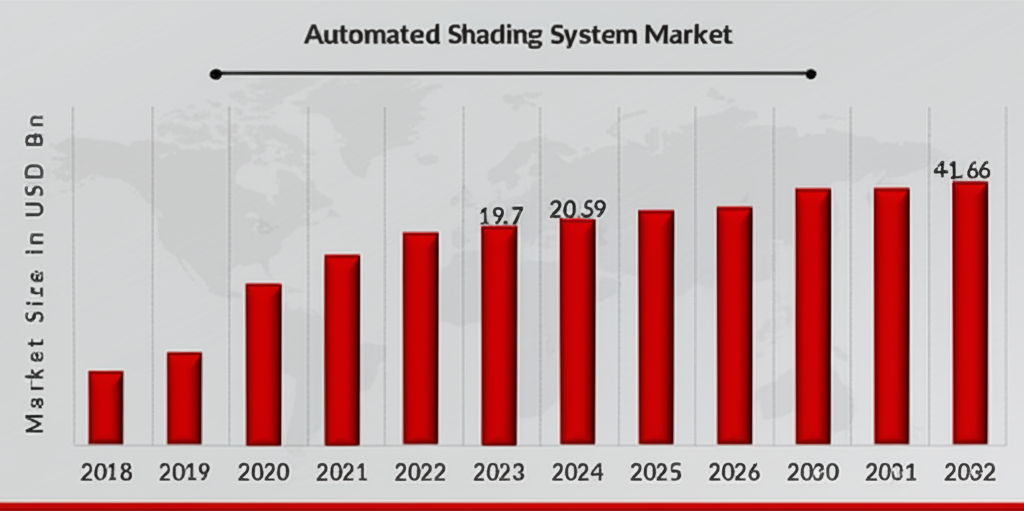
The worldwide automated shading system market has witnessed a remarkable growth, with an estimated value of $19.7 billion in 2023 and expected to double by 2032, according to Market Research Future. The growth is fueled by high demand for smart home technologies, increased energy efficiency measures, and the unabated shift towards urban dwelling and high-end lifestyles—particularly North America, Europe, and the rapidly developing APAC regions.
Key Trends Transforming the Market
1. Smart Home Integration and IoT Connectivity
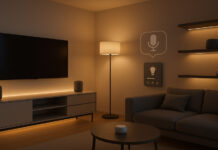
The smart building environment is highly integrated with today’s automated shading systems. Wireless technologies like Zigbee, Z-Wave, and Wi-Fi, combined with voice assistants such as Amazon Alexa, Google Home, and Apple HomeKit, have made it possible to control shades using smartphones, tablets, or voice commands.
“Convenience is no longer a bonus, it is the baseline expectation for today’s connected consumer.” — Industry consensus, Lutron & Hunter Douglas product teams.
The ability to change shading based on real-time data—like occupancy, weather, sunlight, or schedules—shows a move away from conventional automation towards more intelligent and context-sensitive spaces.
2. Energy Efficiency and Sustainability
One of the most important drivers is the need to improve building energy performance. Automated shading reduces heating and cooling loads by dynamically controlling natural light and heat gain—delivering up to 25% energy savings in well-designed projects.
Table: Impact of Automated Shading on Building Energy Use
| Feature | Energy Reduction | Occupant Comfort | Certification Points |
| Occupancy Sensors | 10-15% | High | LEED, WELL |
| Daylight Sensors/AI Control | 20-25% | Very High | LEED, BREEAM |
| Time-based Scheduling | 8-12% | Moderate | Local Codes |
Sustainability regulations and guidelines, such as LEED and BREEAM, explicitly reward the adoption of intelligent shading systems, especially when paired with energy-efficient glazing and green HVAC systems.
3. Customization and Design Flexibility
Contemporary automated shading is about more than function—it is a statement of style. Manufacturers now offer a vast array of materials, fabrics, and finishes, accommodating every design language from corporate minimalism to residential luxury.
- Wireless and battery-powered models enable easy retrofitting and reduce the need for invasive installation.
- Custom sizing and shape options make them applicable not just for standard windows but for specialty glazing, skylights, and facades.
This trend not only meets the demand of end-users but also empowers architects and designers to integrate shading as a core design element.
4. Health, Wellness, and Productivity
Controlling glare, optimizing daylight, and maintaining thermal comfort are increasingly recognized as factors that affect health and productivity.
“Natural light and adaptive environments are directly linked to better cognitive function, lower stress, and higher overall workplace satisfaction.” — Building design expert, World Construction Today (2025)
Automated shading systems play a pivotal role in these well-being initiatives, particularly in offices, schools, and healthcare settings.
5. Rising Commercial and Hospitality Adoption
Although residential adoption remains strong, there is a significant increase in commercial demand. Office towers, retail malls, and particularly hotels are incorporating automated shading to improve the guest experience, lower energy expenses, and simplify facility management.
In the realm of luxury hospitality, the integration of shading is frequently associated with guest room management systems, enabling visitors to effortlessly manage light and privacy through bedside tablets or their personal devices.
Technology Innovations: What’s New?
Sensors, AI, and Adaptive Algorithms
The latest advancements in sensor technology—sensing sunlight intensity, occupancy, and even weather forecast—have transformed shading systems from static timing schedules to dynamic real-time adaptive control. Algorithms take into account internal and external variables to optimize shade position minute by minute.
Material Science
The integration of self-cleaning, UV-resistant fabrics with insulated honeycomb shades and eco-friendly recyclable materials showcases a remarkable advancement in textile science and automation, resulting in enhanced performance and durability.
Seamless Integration
Companies such as Crestron, Lutron, and Somfy are emphasising open system architecture. This signifies seamless integration not only with lighting and HVAC systems but also with security, audio-visual, and wellness control platforms.
Regional and Segment Analysis
Table: Market Segmentation by Region and Application
| Region | Market Share (2023) | Growth Drivers |
| North America | >40% | Smart home penetration, green codes |
| Europe | ~30% | Renovation demand, sustainability |
| APAC | Fastest Growth | Urbanization, rising income |
| Middle East | Emerging | Hospitality, luxury development |
\Application Segments:
- Residential: Largest, driven by home automation and energy savings.
- Commercial: High adoption in new developments and retrofits.
- Outdoor: Awnings, pergolas, and sunshades for patios and public spaces.
Challenges and Opportunities
Challenges:
- Reliability and Maintenance: As advanced automated shading systems become equipped with sensors, wireless communication, and AI controls, the risk of system malfunction grows. Downtime during system failure, calibration drift, or software compatibility can undermine user confidence substantially, particularly in large-scale commercial installations.
- Upfront Cost and ROI: The upfront cost of high-end automated shading, although lower than in past years, remains a significant cost compared to manual options. In retrofit markets for residential, cost is often a major issue; however, decreasing prices and expanding mass adoption are expected to improve this condition.
- Interoperability: With a big challenge in the industry, since the spread of control platforms and proprietary systems makes it difficult to achieve seamless plug-and-play compatibility with smart building and home management systems. The complexity is triggering increased demand for open standards.
- User Education: These systems’ success often depends on user engagement—programming schedules, adjusting settings, or integrating with broader automation platforms. Without explicit education and support, users may be unable to take full advantage of available functionality.
Opportunities:
- Retrofit Market Expansion: A significant amount of the global building stock is outdated and lacks energy efficiency. Automated shading systems, particularly those that are wireless and battery-operated, present a practical and unobtrusive enhancement to improve energy efficiency and comfort in these buildings.
- Smart City Initiatives: Urban centres are increasingly investing in intelligent infrastructure, where shading solutions will be essential in mitigating the urban heat island effect, decreasing grid loads, and supporting citywide sustainability goals.
- Customization and Branding: For hotels, offices, and upscale residential projects, fully-customizable shading offers a distinctive branding opportunity—the capacity to personalise comfort, aesthetics, and even digital messaging through smart glass or integrated displays.
- Health and Wellness Integration: Ongoing research increasingly connects natural lighting and circadian rhythms to enhancements in sleep, mood, and productivity. Anticipate the emergence of shading systems that automatically adapt based on the wellness profiles of individuals or groups.
Future Outlook: Automated Shading as a Foundation of the Smart Built Environment
The Road to Autonomous Buildings
The forthcoming era of architecture will feature structures that are entirely adaptive—foreseeing the requirements of their inhabitants and enhancing environments autonomously. Automated shading leads this evolution, utilising AI, predictive analytics, and cloud connectivity to enhance comfort while reducing energy waste. Envision a towering structure where the blinds in each area adapt not only to the sunlight of the day but also to hourly weather predictions, scheduled meetings, and the preferences of those inside—all conveyed securely and effortlessly across various platforms.
Emphasis on Net-Zero and Sustainability
With cities and corporations pledging to ambitious net-zero carbon targets, automated shading is poised to play a crucial role in lowering energy consumption and decreasing dependence on active HVAC systems. Manufacturers are actively investigating solar-powered shading motors and innovative materials that improve energy efficiency and recyclability, fostering a positive cycle of environmental stewardship.
Evolving User Experience
The user interface is evolving from wall switches and remotes to intuitive mobile apps, gesture control, and even AI-powered personal assistants that learn from daily routines. This shift makes automated shading not just a background feature, but an active partner in comfort and productivity.
Expert Insights and Quotes
While the market continues to expand, industry leaders frequently underscore the importance of integration, user experience, and sustainability.
“The future of the built environment is adaptive. Comfort, efficiency, and aesthetics are no longer separate objectives—they converge in the intelligent deployment of automated shading.”
— Sophie Legrand, R&D Director, European Smart Building Alliance
“Dynamic shading is not just about energy savings; it’s about supporting occupant health, managing glare, and maximizing daylight—design priorities for every new project.”
— Arun Menon, Asia-Pacific Region, Green Building Council
Conclusion: The Light-Filled Promise of Tomorrow
Automated shading systems, previously regarded as a symbol of luxury, have evolved into a vital technology for modern architecture. The swift embrace of these innovations highlights the intersection of technology, sustainability, and design, providing clear advantages for energy efficiency, occupant wellness, and architectural creativity.
With the emergence of smart cities and increasingly ambitious net-zero targets, automated shading is set to evolve—responding not just to new technical challenges but also to the changing dynamics of our lifestyles and work environments. For architects, facility managers, and homeowners, the intriguing blend of comfort, control, and sustainability positions automated shading as an essential technology for a more intelligent and luminous future.