


















Close
MCE 2026
Wednesday, March 11, 2026
2026 Mining Türkiye Exhibitor List

Switch From Bagged To Bulk Cement Urged For Emerging Markets

Note* - All images used are for editorial and illustrative purposes only and may not originate from the original news provider or associated company.

Subscribe

- Never miss a story with notifications

- Gain full access to our premium content

- Browse free from any location or device.

Media Packs

Expand Your Reach With Our Customized Solutions Empowering Your Campaigns To Maximize Your Reach & Drive Real Results!

– Access the Media Pack Now

– Book a Conference Call

Leave Message for Us to Get Back

Related stories

Structural Support Systems Improving Building Stability

The strategic implementation of structural support systems building stability ensures that modern architectural wonders can withstand immense gravitational and lateral forces while maintaining long-term safety and performance.

Ventilation Strategies Supporting Healthy Buildings

The implementation of advanced ventilation strategies healthy building environments is essential for maintaining superior indoor air quality and ensuring the cognitive performance and physical wellbeing of building occupants.

Structural Glass Applications Expanding Modern Architecture

The rapid evolution of structural glass applications modern architecture has redefined the boundaries of transparency and strength, allowing for the creation of breathtaking building envelopes and load-bearing transparent elements.
- Advertisement -

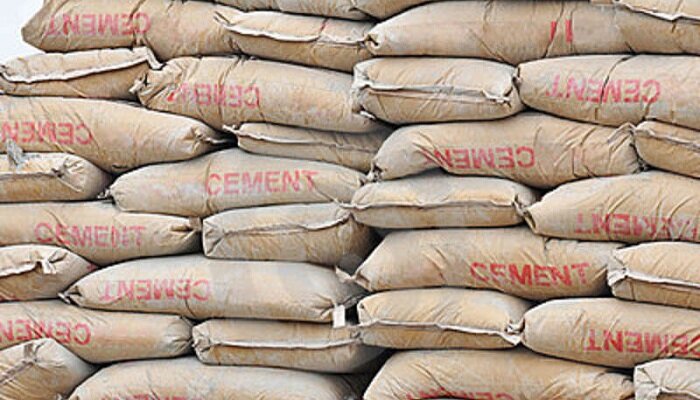
World Construction Today – Together with Boston Consulting Group, the Global Cement and Concrete Association (GCCA), and the World Economic Forum, led a group that did a study on cement and what it means for reducing carbon emissions in India, Brazil, Egypt, and Indonesia. These are four important emerging markets that use a lot of bagged cement.

According to the study, emerging markets’ use of cement is rising rapidly and accounts for up to 40% of global cement consumption.

The majority of the cement used in these markets is hand-mixed on-site and is bagged rather than delivered in bulk. According to GCCA, this raises the possibility of using cement inefficiently.

Without official formulas or quality control procedures in place, mixing by hand frequently results in the overuse of cement. According to the report, only 60% of the concrete on construction sites in Egypt and India and 30% in Indonesia is mixed mechanically.

The Mission Possible Partnership is urging governments in these developing nations to support the switch to bulk cement and ready-mixed cement in order to lessen cement’s carbon intensity. This is done through its Concrete Action for Climate Change project.

Governments should look for and change restrictive building standards that may obstruct decarbonization in major capital projects, the research recommends. According to the GCCA, these findings are being used to assist national cement industries in accelerating local implementation of the GCCA global roadmap to net-zero cement and concrete.

Achema Middleeast

Latest stories

Related stories

Structural Support Systems Improving Building Stability

The strategic implementation of structural support systems building stability ensures that modern architectural wonders can withstand immense gravitational and lateral forces while maintaining long-term safety and performance.

Ventilation Strategies Supporting Healthy Buildings

The implementation of advanced ventilation strategies healthy building environments is essential for maintaining superior indoor air quality and ensuring the cognitive performance and physical wellbeing of building occupants.

Structural Glass Applications Expanding Modern Architecture

The rapid evolution of structural glass applications modern architecture has redefined the boundaries of transparency and strength, allowing for the creation of breathtaking building envelopes and load-bearing transparent elements.

Advanced Coating Technologies Protecting Building Surfaces

The application of advanced coating technologies building surfaces serves as a critical barrier against environmental degradation, UV exposure, and corrosion to significantly extend the functional lifecycle of modern architectural materials.

Subscribe

- Never miss a story with notifications

- Gain full access to our premium content

- Browse free from any location or device.

Media Packs

Expand Your Reach With Our Customized Solutions Empowering Your Campaigns To Maximize Your Reach & Drive Real Results!

– Access the Media Pack Now

– Book a Conference Call

Leave Message for Us to Get Back

Translate »