





















Close
WORLD OF CONCRETE
Saturday, December 20, 2025
JEC WORLD 2026

European market for plastic pipes

Note* - All images used are for editorial and illustrative purposes only and may not originate from the original news provider or associated company.

Subscribe

- Never miss a story with notifications

- Gain full access to our premium content

- Browse free from any location or device.

Media Packs

Expand Your Reach With Our Customized Solutions Empowering Your Campaigns To Maximize Your Reach & Drive Real Results!

– Access the Media Pack Now

– Book a Conference Call

Leave Message for Us to Get Back

Related stories

Emerging Technologies Set to Transform Concrete and Structural Construction

Advanced technologies including self-healing concrete, 3D-printed structures, smart sensors, ultra-high-performance materials, and artificial intelligence-powered design and planning systems are poised to fundamentally reshape construction practices. These innovations promise enhanced durability, reduced waste, accelerated project delivery, improved safety, and optimized resource utilization. Understanding adoption readiness, practical implementation approaches, and realistic timelines enables construction professionals to prepare for technological transformation while maintaining focus on delivering high-quality facilities that serve stakeholders' needs.

Lifecycle Focused Construction Practices for Sustainable Infrastructure

Sustainable infrastructure development requires extending construction thinking beyond initial project completion to encompass the entire building lifecycle spanning decades of operation, maintenance, and eventual decommissioning. By integrating lifecycle cost analysis, selecting durable materials, designing for operational efficiency, planning for maintenance accessibility, and anticipating end-of-life material recovery, construction professionals create assets that deliver long-term value while minimizing environmental impact. This holistic approach transforms infrastructure from cost centers requiring perpetual maintenance into resilient assets that serve communities sustainably across generations.

Cost Optimization Strategies in Material Intensive Construction Projects

Material-intensive construction projects require comprehensive cost optimization strategies that balance budget control with quality maintenance. Through systematic planning, prefabrication techniques, lean construction principles, and strategic procurement approaches, contractors can significantly reduce project expenses while maintaining structural performance standards. Effective material efficiency combined with process optimization transforms how organizations deliver complex construction projects.
- Advertisement -
Achema Middleeast

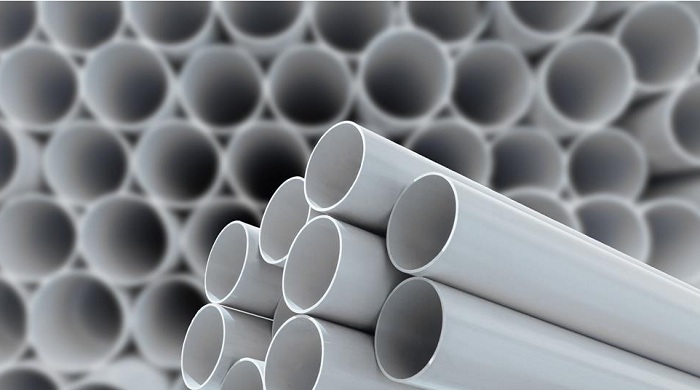
The construction industry is booming in many European agglomerations. Manufacturers of plastic pipes are also benefiting from government economic stimulus programs to overcome the Corona crisis and the expansion of infrastructure. Regionally, however, the development varies greatly: while building materials are becoming scarce and expensive in parts of Germany and Poland, for example, the construction industry in Spain is still far from its former record levels. Ceresana is publishing a comprehensive report on the European market for plastic pipes for the fifth time already. The current new edition provides an assessment and quantification for the first years after the pandemic.

Cable Protection for High-speed Internet

Home office and online retailing are accelerating digitization; large sums are being invested in the expansion of fiber optic networks. Protective plastic pipes are being installed to shield valuable broadband cables from harmful environmental influences. Market researchers at Ceresana predict that cable protection pipes will be the fastest-growing application area for pipes in the coming years.

Plastic Pipes Save Water

Climate change is also influencing the market for pipes: long periods of drought, which are also becoming more frequent in Europe, are a challenge for agriculture. Efficient irrigation systems with sensor technology and easy-to-maintain plastic pipes can at least reduce crop losses. According to Ceresana’s analysis, the increase in extreme weather phenomena will increase demand for plastic pipes for irrigating agricultural land in Europe by around 1.9% per year.

Polyethylene Instead of Steel or Concrete

For many applications, plastic is now a real alternative to pipes made of other materials. Comparatively inexpensive but robust pipes made of polyvinyl chloride (PVC) are used primarily for wastewater and cable protection. Polypropylene and polyethylene-based pipes are increasingly competing with PVC pipes for drinking water supply. In industrial applications and gas supply, pipes made of polypropylene and polyethylene already have large market shares.

The Study in Brief:

Chapter 1 provides an overview of the European market for plastic pipes – including forecasts up to 2030. Key figures are given for revenues (in USD and EUR) and demand (in tonnes), broken down by product types (PE, PP, PVC, and other plastics) and applications.

In Chapter 2 specific market data are given for 30 European countries: In addition to revenues, import and export, production and demand volumes are also shown. The data on production and demand are broken down into the plastic types:

  • Polyethylene (PE)
  • Polypropylene (PP)
  • Polyvinyl chloride (PVC)
  • Other plastics

In addition, the demand for each country is divided into the individual application areas:

  • Sewage
  • Potable Water
  • Cable Protection
  • Gas
  • Agriculture
  • Industry
  • Other

Chapter 3 offers company profiles of the most important plastic pipe producers, clearly arranged by contact details, revenues, profit, product range, production sites and brief profile. Detailed profiles are provided by 77 manufacturers.

Achema Middleeast

Latest stories

Related stories

Emerging Technologies Set to Transform Concrete and Structural Construction

Advanced technologies including self-healing concrete, 3D-printed structures, smart sensors, ultra-high-performance materials, and artificial intelligence-powered design and planning systems are poised to fundamentally reshape construction practices. These innovations promise enhanced durability, reduced waste, accelerated project delivery, improved safety, and optimized resource utilization. Understanding adoption readiness, practical implementation approaches, and realistic timelines enables construction professionals to prepare for technological transformation while maintaining focus on delivering high-quality facilities that serve stakeholders' needs.

Lifecycle Focused Construction Practices for Sustainable Infrastructure

Sustainable infrastructure development requires extending construction thinking beyond initial project completion to encompass the entire building lifecycle spanning decades of operation, maintenance, and eventual decommissioning. By integrating lifecycle cost analysis, selecting durable materials, designing for operational efficiency, planning for maintenance accessibility, and anticipating end-of-life material recovery, construction professionals create assets that deliver long-term value while minimizing environmental impact. This holistic approach transforms infrastructure from cost centers requiring perpetual maintenance into resilient assets that serve communities sustainably across generations.

Cost Optimization Strategies in Material Intensive Construction Projects

Material-intensive construction projects require comprehensive cost optimization strategies that balance budget control with quality maintenance. Through systematic planning, prefabrication techniques, lean construction principles, and strategic procurement approaches, contractors can significantly reduce project expenses while maintaining structural performance standards. Effective material efficiency combined with process optimization transforms how organizations deliver complex construction projects.

Extending the Life of Concrete Structures Through Advanced Repair Methods

Modern concrete repair and strengthening techniques enable restoration of deteriorating structures while extending their service life significantly. Through advanced materials like epoxy injection, fiber-reinforced polymers, and innovative assessment methods, property owners can implement cost-effective rehabilitation solutions that preserve asset value, maintain structural integrity, and support sustainable construction practices.

Subscribe

- Never miss a story with notifications

- Gain full access to our premium content

- Browse free from any location or device.

Media Packs

Expand Your Reach With Our Customized Solutions Empowering Your Campaigns To Maximize Your Reach & Drive Real Results!

– Access the Media Pack Now

– Book a Conference Call

Leave Message for Us to Get Back

Translate »