



























Key Takeaways
- Material price volatility stems from global commodity markets, supply chain disruptions, and geopolitical factors
- Escalation clauses in contracts enable equitable risk sharing when material costs fluctuate unexpectedly
- Strong supplier relationships and open communication provide flexibility during periods of market instability
- Just-in-time delivery reduces material holding costs but requires reliable suppliers and accurate forecasting
- Proactive market monitoring and adaptive procurement approaches mitigate negative impacts of price uncertainty
The construction industry has historically grappled with the challenge of fluctuating material costs, but recent years have amplified this fundamental business challenge to unprecedented levels. The pandemic-induced supply chain disruptions that generated material price movements exceeding 400 percent for critical commodities like steel and timber fundamentally reshaped how contractors approach budgeting and risk management. Project managers and owners who previously operated within relatively stable material cost environments now navigate complex dynamics where material pricing represents perhaps the greatest source of uncertainty in project planning.
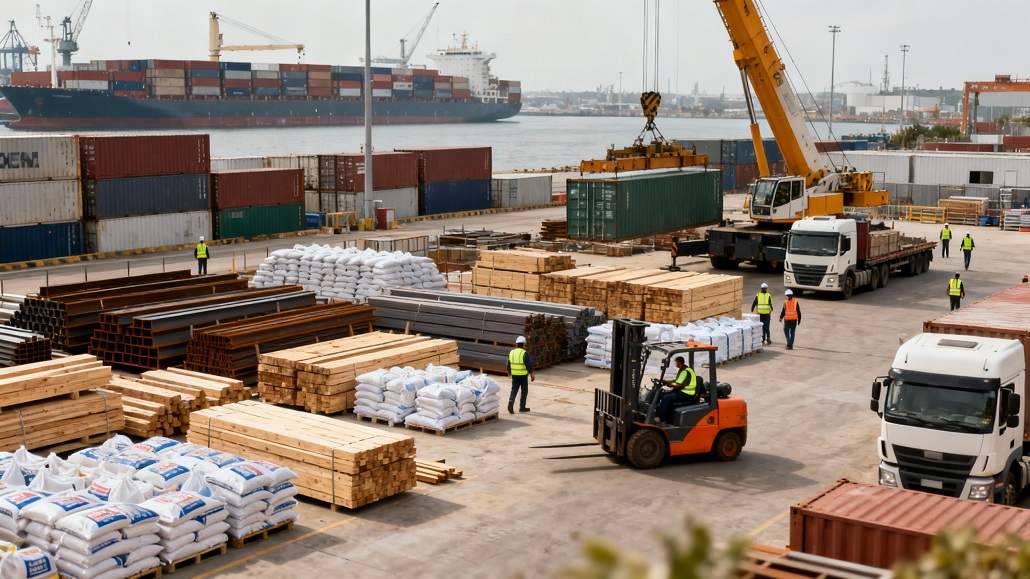
Understanding the mechanisms driving volatile material cost management requires examining both immediate triggers and systemic factors that create broader market instability. Global commodity markets establish baseline prices for materials like steel, concrete components, and timber, and these markets respond to international supply and demand dynamics that lie beyond any single contractor’s control. Disruptions in production facilities, whether from natural disasters, pandemic-related shutdowns, or labor conflicts, immediately constrain supply and create upward pressure on prices. Transportation bottlenecks congested ports, limited shipping capacity, and fuel cost fluctuations compound pricing pressures by increasing the cost of moving materials from producers to projects.
Geopolitical factors introduce another layer of complexity into volatile material cost management. Trade restrictions, tariffs, and sanctions disrupt established supply chains, forcing buyers to source materials from alternative suppliers at premium prices. Currency fluctuations affect the pricing of internationally sourced materials. Environmental regulations that increase production costs for certain materials gradually shift industry-wide pricing baselines. Each of these factors operates independently, but collectively they create an environment where material costs become genuinely unpredictable over project timescales ranging from months to years.
Understanding the Market Dynamics Behind Price Fluctuations
Material price volatility in construction stems from imbalances between supply and demand occurring at multiple scales simultaneously. At the most fundamental level, increased construction activity raises demand for materials like concrete, steel reinforcement, lumber, and aggregates. When several major projects commence simultaneously in a geographic region, local material suppliers struggle to meet increased demand, creating upward price pressure. During economic slowdowns, demand decreases and producers reduce prices to maintain market share, sometimes creating oversupply conditions that suppress pricing for extended periods.
Commodity market speculation adds another dimension to volatile material cost management. Financial investors trading futures contracts on steel, timber, and other construction materials can amplify price movements that would otherwise reflect underlying supply-demand fundamentals. Speculative buying during periods of perceived scarcity drives prices higher, while panic selling during uncertain times pushes prices lower. These market movements, driven by investment decisions rather than changes in actual material availability, create volatility independent of real physical scarcity.
Global supply chain integration has created interdependencies where disruptions in distant regions ripple through international markets affecting local projects. A labor strike at a major cement plant in one country reduces global cement availability and raises prices internationally. A port closure limits export capacity for steel producers, creating shortages in distant markets. These interconnections mean that domestic contractors face price pressures created by supply disruptions thousands of miles away, over which they exercise no direct influence.
Environmental and regulatory pressures increasingly affect material costs in ways that construction professionals must anticipate. Restrictions on certain aggregate sources, regulations mandating lower-emissions cement production, and environmental restoration requirements following extraction operations all increase production costs. Forward-thinking material suppliers incorporate these emerging regulatory pressures into their cost structures, creating gradual price increases that reflect anticipated future compliance expenses. Contractors anticipating rather than reacting to these regulatory trends gain negotiating advantages with suppliers.
Implementing Strategic Procurement Approaches
Successful volatile material cost management requires procurement strategies fundamentally different from those developed during stable markets. Rather than viewing material procurement as a relatively straightforward process of specifying products and soliciting competitive bids, strategic procurement in volatile markets becomes a complex balancing act between price certainty, supply reliability, and financial flexibility.
Strategic sourcing begins with comprehensive market analysis that extends well beyond current pricing. Material procurement specialists monitor commodity price trends, track supply and demand indicators, analyze shipping costs and logistics constraints, and maintain awareness of geopolitical developments affecting material supply. This continuous market monitoring provides early warning of emerging pressures that might impact project costs. A procurement manager who recognizes that shipping container rates are escalating can adjust timelines for material orders before the full cost impact reaches supplier quotes.
Timing of material purchases becomes critically important in volatile markets. Purchasing materials during temporary price dips, even if immediate project needs don’t require immediate installation, can yield significant savings compared to procuring at subsequent price peaks. This strategy requires coordination between procurement and project scheduling teams, sufficient working capital to purchase early, and adequate storage capacity. However, the savings potential justifies these investments when volatile material cost management becomes a strategic priority.
Long-term contracts with suppliers provide price certainty over extended periods, eliminating uncertainty about material costs for the contract duration. While long-term contracts might not capture the absolute lowest prices available at any given moment, they deliver the predictability that enables reliable project budgeting. Suppliers offering long-term fixed pricing typically build in modest price premiums reflecting the risk they assume by locking in prices despite uncertain future conditions. For owners and developers, this premium often proves economical relative to the planning certainty it provides.
Conversely, spot market purchasing buying materials at current market prices with immediate delivery works effectively in certain circumstances. When material costs are declining and immediate project needs exist, spot purchasing captures current favorable pricing. Spot market strategies work poorly when prices are rising, as they expose projects to escalating costs with minimal ability to control expenses.
Leveraging Escalation Clauses and Contract Mechanisms
Escalation clauses represent one of the most effective tools for managing volatile material cost management when long-term price certainty proves impossible. These contractual provisions enable price adjustments based on changes in material costs, labor rates, or other specified cost indices between the time contracts are signed and when work is performed.
A typical escalation clause might reference a published construction cost index that tracks price changes for materials and labor. When the index increases from the baseline period when the contract was signed, the contractor receives compensation reflecting that increase. When the index decreases, the contract price is reduced proportionally. This mechanism enables equitable risk sharing, preventing either the contractor or owner from bearing the full burden of unexpected price movements.
Escalation clauses require careful drafting to avoid disputes. The indices used must be appropriate to the specific project, reflecting actual price changes for relevant materials rather than generic construction cost indices that might not capture local market dynamics. Escalation should apply only to material and labor components actually subject to price volatility, not to contractors’ overhead and profit margins. Clearly specifying the baseline period and procedures for calculating adjustments prevents ambiguity and subsequent disagreements.
Change-in-law provisions represent another important contract mechanism addressing volatile material cost management in uncertain regulatory environments. These clauses recognize that regulations adopted after contract execution might increase material costs or project expenses. When new environmental regulations or safety requirements increase project costs, change-in-law provisions enable cost adjustment rather than requiring contractors to absorb unexpected expenses created by regulatory changes beyond their control.
Developing Supply Chain Resilience
Reducing dependence on single sources for critical materials increases supply chain resilience during periods of volatile material cost management. Diversifying suppliers across geographic regions ensures that disruptions affecting one producer don’t completely interrupt material supply. Although supplier diversity might increase costs modestly compared to concentrating purchases with a single low-cost provider, the insurance value of ensuring material availability often justifies the premium.
Building inventory buffers of critical materials provides operational flexibility during supply disruptions. While just-in-time procurement minimizes inventory carrying costs, maintaining modest stockpiles of truly critical materials ensures that temporary supply disruptions don’t halt project progress. The inventory carrying cost of holding modest quantities of high-value materials like specialized reinforcing steel or imported equipment often proves minor relative to the cost of project delays caused by material shortages.
Strong relationships with key suppliers create flexibility during periods of volatile material cost management. Suppliers working with valued, reliable customers often prioritize their access to scarce materials during supply shortages and provide advance warning of impending price increases. These relationship benefits accumulate over time, creating competitive advantages for contractors who invest in supplier partnerships rather than treating procurement as purely transactional.
Implementing Market Monitoring and Adaptive Strategies
Continuous market monitoring provides early warning of emerging cost pressures, allowing procurement teams to implement protective measures before costs escalate. Key metrics to track include commodity prices for primary materials, transportation costs and shipping availability, supplier inventory levels, and lead times for material delivery. When these indicators suggest emerging scarcity or increasing costs, proactive procurement can secure materials before prices reach peaks.
Material substitution capabilities provide flexibility to adapt to volatile material cost management challenges. When specific materials become scarce or prohibitively expensive, viable alternatives meeting performance requirements enable project continuity. Contractors who maintain knowledge of acceptable material alternatives and who design flexibility into specifications can pivot quickly when primary material options become unavailable.
Clear communication with clients about volatile material cost management demonstrates professional competence and builds trust. Rather than allowing owners to be shocked by cost increases mid-project, transparent communication about emerging market pressures, potential cost impacts, and proposed mitigation strategies establishes realistic expectations. Clients appreciate contractors who anticipate and communicate cost risks rather than presenting surprises after expenditures occur.
Building Organizational Capabilities
Organizations that excel at volatile material cost management embed this capability into their standard practices. Rather than treating cost volatility as an anomaly requiring special handling, they develop processes and expertise that enable navigation of uncertain markets as routine business practice. Procurement specialists dedicate time to market analysis and trend monitoring. Project budgeting processes include explicit volatility risk assessment. Contract templates incorporate appropriate escalation and change-in-law mechanisms that reflect volatile material cost management principles.
Training for project teams on the fundamentals of commodity markets, supply chain dynamics, and procurement strategies elevates overall organizational capability. Project managers who understand how commodity price futures markets operate, who recognize warning signs of emerging supply disruptions, and who appreciate the strategic value of procurement timing make better decisions throughout project execution.
Managing volatile material cost management in construction requires accepting that perfect price prediction is impossible and developing strategies that create flexibility despite that uncertainty. Through strategic procurement, thoughtful contract mechanisms, supply chain resilience, continuous market monitoring, and adaptive strategies, construction professionals maintain project viability even when material costs move in unexpected directions, protecting stakeholder interests while navigating the inherently uncertain nature of global commodity markets.
