

























Electrical systems in marine environments face saltwater, moisture, vibration and rapid temperature changes. Offshore cables face pressure, impact, abrasion and chemical exposure from the moment they are installed. Effective protection relies on strong materials, sealed components and consistent nautical line management practices.
This guide outlines the most resilient materials used to protect cables on the sea floor and highlights leading companies that supply marine-ready solutions.
Choosing the Best Offshore Cable Installers
The companies below were assessed on material durability, range of marine cable cover and conduit options, sealing performance, certification strength and their ability to support complex offshore wiring installation projects. Each provider offers components engineered for harsh nautical environments.
Top Companies for Marine Cable Safeguarding
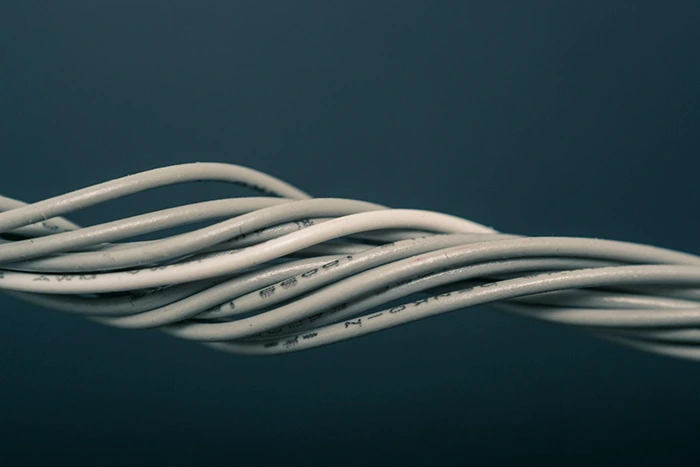
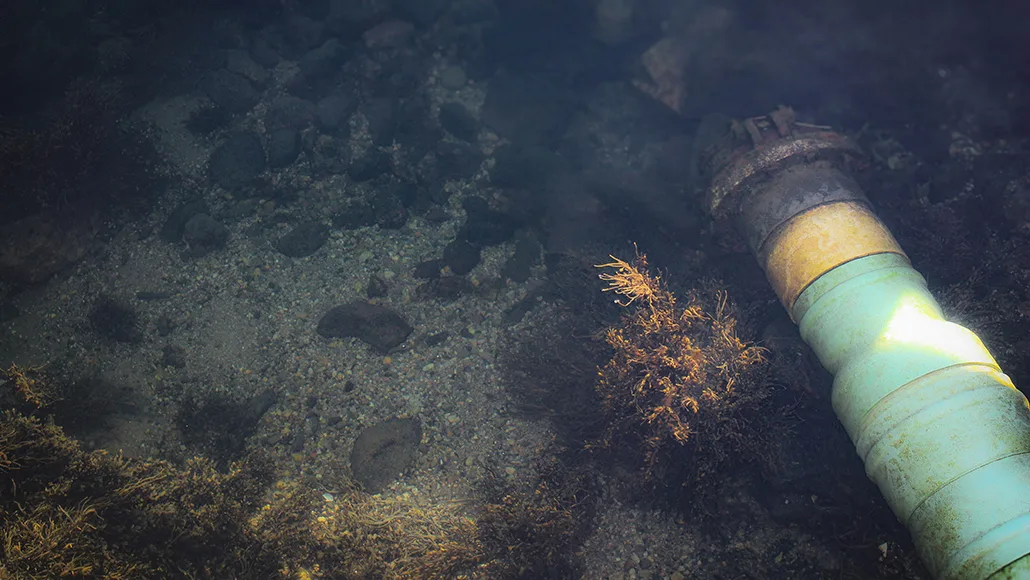
With an estimated 750,000 miles of cables on the ocean bed, maintenance and resilient installation practices have become standard to ensure longevity and sustained quality use. Top nautical wiring installation experts provide the best materials that safeguard against harsh offshore conditions.
1. AerosUSA — Best Overall
AerosUSA specializes in engineered cable defense systems built for the demands of ships, offshore platforms and ocean-based equipment. Its product line includes flexible conduits, conduit fittings, liquid-tight seaward seal solutions and corrosion-resistant accessories designed to block moisture, resist chemicals and withstand heavy mechanical stress.
The company’s use of high-performance polyamide blends and nickel-plated brass provides offshore installations with an extended service life, even under the constant, corrosive exposure to saltwater. AerosUSA components are rated for UV resistance, flame retardance and wide operating temperature ranges. Its system-based approach ensures that conduits, glands and fittings work together, reducing risk during offshore cable installation and long-term operation.
2. Trelleborg — Best for Integrated Systems
Trelleborg supplies engineered polymer systems for subsea and topside environments. Its line protection range includes bend restrictors, bend stiffeners, polyurethane sheathing and impact-resistant covers designed to withstand dynamic loads. Trelleborg systems are built to manage movement, abrasion and vibration on vessels, riser systems and marine structures.
The company’s strength is integration. Its conduit and pipe preservation components are designed to function together, offering an end-to-end solution for high-risk offshore assets.
3. TE Connectivity — Best for Electrical Interfaces
TE Connectivity designs rugged components that protect terminations and electrical interfaces in oceanic environments. Its well-known Raychem heat-shrink tubing, molded parts and marine-grade connectors are engineered to seal and insulate critical contact points.
These products are widely used when offshore wiring requires environmental sealing at junction boxes, switchgear or equipment housings. TE components carry military and marine certifications and are trusted for electrical integrity in corrosive locations, such as on submarines.
4. Roxtec — Best for Oceanic Vessel Use
Roxtec designs modular cable and pipe transits used throughout ships, offshore platforms and coastal facilities. Its sealing systems protect against water, fire, vibration and pressure changes, giving coastal operators a reliable way to route and secure lines through bulkheads, decks and enclosures.
The brand’s elastomer-based blocks and stainless steel frames accommodate a broad range of diameters, creating tight, long-lasting seals that support safe marine cable management. The company is widely used across shipbuilding, offshore wind, oil and gas and nautical defense projects.
What Are the Best Materials for Cable Protection in Marine Applications?
Most high-performing systems use a combination of the following substances:
- High-grade stainless steel: Used for conduits, clamps and hardware where structural strength and corrosion resistance are essential. Common in engine rooms and topside applications.
- Nickel-plated brass: Ideal for connectors, marine cable seals and fittings. It maintains a strong mechanical grip and resists corrosion from salt spray.
- Polyamide (PA): A widely used thermoplastic for flexible conduit systems. PA12 is known for its low moisture absorption and resistance to chemicals, UV exposure and abrasion.
- Thermoplastic elastomers: Provide flexibility and impact resistance where communication lines must move or bend repeatedly.
- Polyurethane: Commonly used in subsea sheathing and offshore wiring management systems because it remains durable under dynamic loads.
Key Factors in Offshore Cable Installation and Encasement
Successful offshore installation depends on the right materials and a comprehensive shielding system that can withstand harsh environmental forces.
Core considerations include:
- Material durability: Oceanic environments demand materials that resist corrosion, water absorption and degradation. Common choices, such as stainless steel, nickel-plated brass and specialized polyamides, offer excellent reinforcement, corrosion resistance, tensile strength, sealant qualities and low water absorption while resisting UV damage.
- Ingress protection: A nautical seal must prevent moisture and contaminants from entering the system. IP68 and IP69 ratings indicate strong resistance during complete immersion from high-pressure water jets.
- Mechanical guarding: Offshore lines often encounter impact, abrasion and continuous movement. Flexible conduits help accommodate vibration and motion, while rigid conduits provide stability on fixed structures.
- Thermal performance: Conductors exposed to engine rooms or exterior surfaces need insulation that withstands temperature swings without cracking or softening.
- Compatibility within the system: Cables, conduits, fittings and sealing components must meet the same performance standard. Mixing incompatible materials increases failure risk.
- Regulatory compliance: Ocean-based and offshore sites need authoritative approvals and certifications that ensure safety and operational reliability.
Marine Operations That Survive the Surf
Faulty or unprotected offshore cables can become damaged, which leads to downtime, safety hazards and costly repairs. Choosing durable materials, using certified components and installing a complete safeguarding system ensures that systems perform reliably in punishing saltwater environments.
Operators seeking a system explicitly engineered for long-term marine use can partner with providers that offer comprehensive protective design systems to manage everything from ingress protection to mechanical strain.
