






















Close
MCE 2026
Wednesday, January 21, 2026
JEC WORLD 2026

Buildings And Construction Caused Historic Carbon Output

Note* - All images used are for editorial and illustrative purposes only and may not originate from the original news provider or associated company.

Subscribe

- Never miss a story with notifications

- Gain full access to our premium content

- Browse free from any location or device.

Media Packs

Expand Your Reach With Our Customized Solutions Empowering Your Campaigns To Maximize Your Reach & Drive Real Results!

– Access the Media Pack Now

– Book a Conference Call

Leave Message for Us to Get Back

Related stories

FP McCann Easy-Trim Acquisition Expands Roofing Products

FP McCann has completed the Easy-Trim acquisition, adding roofing...

Titan America Keystone Acquisition Spans Mid-Atlantic Reach

Titan America has signed an agreement to complete the...

Sustainable Construction Machinery for Low Emission Sites

Reducing the carbon footprint of the building sector requires a total reimagining of engine technology and energy consumption, leading to the rise of specialized machinery that balances power with environmental stewardship. By prioritizing low emission operation and energy-efficient designs, contractors are meeting the dual challenge of fulfilling ambitious infrastructure goals while adhering to increasingly stringent global climate regulations.
- Advertisement -
Advancing Prefabrication 2026

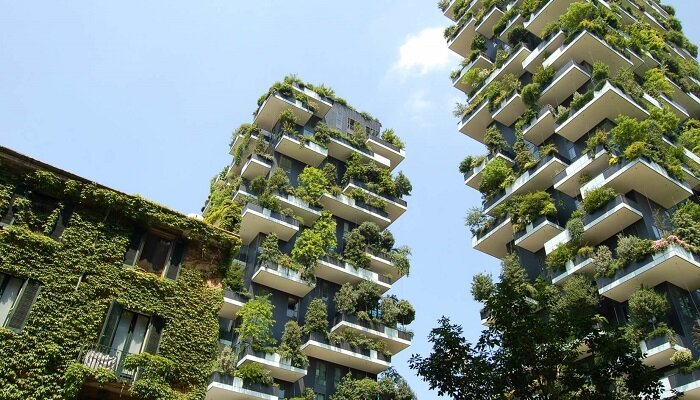
World Construction Today – According to a recent UN Environment Programme report, carbon emissions from buildings and construction reached an unfavourable new high in 2021.

Based on the paper, construction activities in most major economies returned to pre-pandemic levels in 2021, along with a rise in the energy-intensive use of structures as businesses resumed operations. The use of fossil fuel gases in buildings has expanded in many emerging economies as well. The COVID-19 pandemic led to a reduction in construction emissions in 2020.

Building energy demand increased by the most in ten years in 2021. As a result, Emissions of CO2 from building operations increased by around 5% from 2020 and by 2% from the peak in 2019. Buildings accounted for over 37% of worldwide CO2 emissions in 2021 after including emissions from the production of building materials such as concrete, steel, aluminium, glass, and bricks.

According to UN research, some legislative improvements have been made since 2015, and global investments in energy efficiency have increased by around 16%. However, more work is still needed to combat the rise in building square footage.

U.N. officials established targets to cut emissions from the built environment in half by 2030 and for all new construction to operate carbon-free by 2050, despite an increase in building square footage. The goals must be met in order to prevent an increase in global temperatures of more than 1.5 degrees Celsius; if this limit is exceeded, it is predicted that weather catastrophes will become more frequent.

The Science Based Targets initiative, an organisation that developed a template around reduction responsibilities for businesses, including top construction OEMs, contractors, and engineers, has helped more than 3,000 companies around the world set or are in the process of agreeing to reducing emissions.

Achema Middleeast

Latest stories

Related stories

FP McCann Easy-Trim Acquisition Expands Roofing Products

FP McCann has completed the Easy-Trim acquisition, adding roofing...

Titan America Keystone Acquisition Spans Mid-Atlantic Reach

Titan America has signed an agreement to complete the...

Sustainable Construction Machinery for Low Emission Sites

Reducing the carbon footprint of the building sector requires a total reimagining of engine technology and energy consumption, leading to the rise of specialized machinery that balances power with environmental stewardship. By prioritizing low emission operation and energy-efficient designs, contractors are meeting the dual challenge of fulfilling ambitious infrastructure goals while adhering to increasingly stringent global climate regulations.

Digital Construction Sites Powered by Connected Equipment

The concept of a connected jobsite revolves around a unified digital ecosystem where every asset contributes real-time data to a centralized management hub, ensuring seamless coordination across large-scale projects. By integrating sophisticated data analytics and satellite-driven monitoring, the industry is moving toward a more transparent and highly optimized way of delivering complex infrastructure.

Subscribe

- Never miss a story with notifications

- Gain full access to our premium content

- Browse free from any location or device.

Media Packs

Expand Your Reach With Our Customized Solutions Empowering Your Campaigns To Maximize Your Reach & Drive Real Results!

– Access the Media Pack Now

– Book a Conference Call

Leave Message for Us to Get Back

Translate »