
























The modern city is a machine of perpetual motion, where millions of citizens navigate a complex network of streets, stations, and public buildings every hour. In this high-velocity environment, the materials used in urban infrastructure materials must possess a unique combination of extreme durability and human-centric design. This is where resilient flooring solutions play a pivotal role. Unlike rigid traditional materials like stone or ceramic, resilient flooring is engineered to “give” under pressure, absorbing the energy of thousands of impacts without cracking or deforming. This inherent flexibility is the secret to its longevity in the most demanding public space construction projects, from bustling subway platforms to sprawling international airports. As we build the megacities of the future, the ground under our feet must be as adaptable and enduring as the cities themselves.
Strengthening the Fabric of Public Spaces
Urban environments are notoriously harsh on building materials. Exposure to heavy foot traffic, mechanical vibrations, and varying climate conditions requires a surfacing strategy that can adapt. Resilient flooring solutions, which include advanced rubber, vinyl, and linoleum composites, offer a level of performance that traditional materials simply cannot match. These surfaces are designed with a high density that resists the penetration of dirt, moisture, and even corrosive agents like road salt, making them ideal for high-traffic zones where hygiene and ease of maintenance are paramount. By selecting resilient flooring, urban planners are ensuring that the city’s infrastructure remains functional and attractive for generations, reducing the need for costly and disruptive mid-cycle replacements. This stability is essential for maintaining the public’s trust in their urban environment, where a well-maintained floor signaling a well-managed city.
Impact Resistance and Structural Longevity
One of the defining characteristics of high-performance urban infrastructure materials is their ability to withstand mechanical shock. In transit hubs, floors are subject to the constant pounding of heavy luggage, service vehicles, and the rhythmic vibrations of passing trains. Impact resistant floors are engineered with internal reinforcement layers often using fiberglass or specialized polymers to distribute these loads evenly across the subfloor. This prevents the point-loading failures that often plague rigid tiles, such as cracking or delamination. These resilient flooring solutions act as a protective skin for the building’s primary structure, absorbing the stresses of daily use and preventing micro-cracks from developing in the concrete slab below. This “buffering” effect is critical for subterranean structures like metro stations, where the integrity of the concrete floor is vital for the overall stability of the tunnel network.
Acoustic Mitigation in Densely Populated Hubs
In the cacophony of the modern metropolis, noise pollution is a significant challenge to public well-being. Hard, reflective surfaces in large transit halls can amplify sound, creating an overwhelming environment for commuters. Acoustic flooring systems are a vital component of resilient flooring solutions, specifically designed to dampen the sound of footsteps and rolling carts. By utilizing multi-layered constructions with integrated foam or cork underlays, these floors can achieve significant decibel reductions sometimes up to 20dB or more. This acoustic engineering transforms a chaotic station into a more manageable, stress-reduced space, proving that the technical performance of a floor has a direct impact on the mental health of city dwellers. In schools and hospitals, where quiet is essential for learning and healing, these acoustic properties are not just a luxury but a fundamental requirement for the building’s success.
Material Innovation in Transit and Transportation
The specific requirements for transit flooring go beyond simple durability. In the aviation and rail sectors, materials must meet stringent fire safety and smoke toxicity standards while providing a slip-resistant surface in all weather conditions. Modern resilient flooring solutions utilize specialized flame-retardant additives and anti-static properties to protect passengers and sensitive electronic equipment. Furthermore, the development of heat-welded seams allows for a completely waterproof installation, preventing the seepage of water and cleaning chemicals into the structural components of vehicles or station platforms. This holistic approach to safety and performance is what makes resilient flooring the preferred choice for global transportation networks. For example, the rubber flooring used on many of the world’s most advanced rail systems is designed to be halogen-free, ensuring that in the event of a fire, no toxic gases are released, providing precious extra minutes for emergency evacuation.
The Role of Resilience in Sustainable Urban Growth
As we look toward the future of public space construction, sustainability is becoming an inseparable part of the conversation. Resilient flooring solutions are increasingly being manufactured with high percentages of recycled content, such as crumb rubber from discarded tires or bio-based plastics. These materials contribute to a lower carbon footprint for urban projects, aligning with the “green city” initiatives being adopted by major municipalities worldwide. Moreover, because resilient floors are often lighter than traditional masonry products, they require less energy to transport and install, further enhancing their environmental credentials. This synergy between resilience and sustainability ensures that the infrastructure of tomorrow is as kind to the planet as it is tough on wear. The ability to recycle these floors at the end of their life cycle turning an old subway floor into a new playground surface is the ultimate expression of circular urbanism.
Safety Standards and Accessibility in Modern Infrastructure
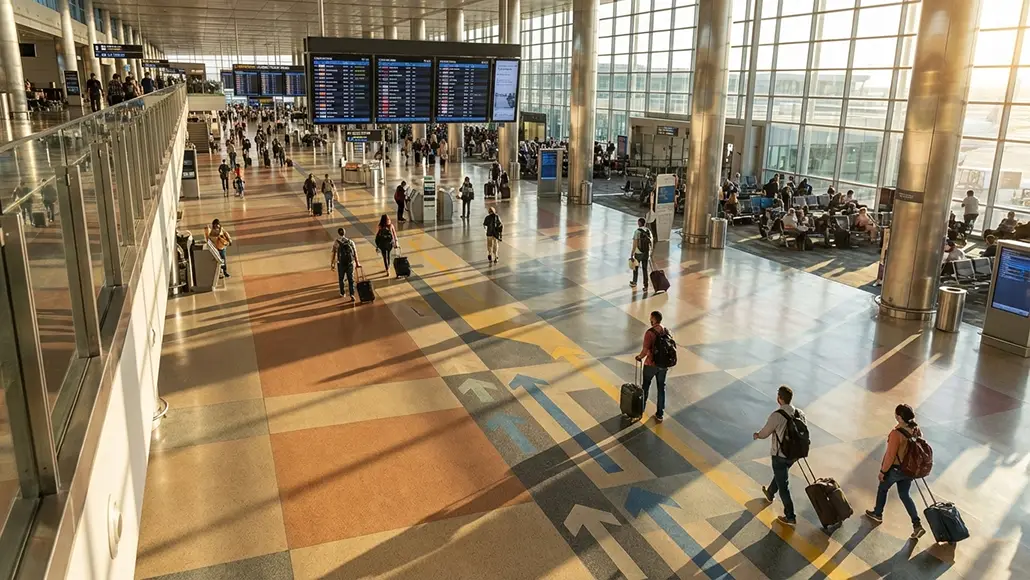
Finally, the design of urban floors must prioritize inclusivity and safety for all users. Resilient flooring solutions are uniquely suited to meeting the requirements of the Americans with Disabilities Act (ADA) and similar international standards. The smooth, consistent surfaces facilitate the easy movement of wheelchairs and strollers, while the tactile properties of the material can be used to create navigational cues for the visually impaired. Integrated “wayfinding” patterns achieved through high-precision waterjet cutting allow designers to embed directions directly into the floor, such as the famous “yellow lines” on train platforms. This marriage of safety, accessibility, and durability ensures that urban infrastructure is truly accessible to every citizen, reinforcing the floor’s role as the foundation of a democratic public space. By providing a surface that is safe underfoot in rain, snow, or shine, resilient flooring allows the city to remain open and active regardless of the weather.
Resilience in Health and Education Infrastructure
While transit is a major user of these technologies, the education and healthcare sectors are also primary drivers for resilient flooring solutions. In these environments, the floor must support the physical and cognitive health of the users. For instance, in modern schools, resilient floors provide a comfortable surface for children to play on while absorbing the noise of busy classrooms. In hospitals, the seamless nature of these floors prevents the accumulation of pathogens, supporting infection control protocols that are vital for patient safety. The durability of urban infrastructure materials in these settings means that the floors can withstand the constant moving of heavy hospital beds and the frequent spillages of harsh disinfectants. This “resilience” is therefore as much about chemical resistance and hygiene as it is about mechanical strength, illustrating the multi-faceted nature of modern flooring technology.
The Future of Smart Urban Surfacing
Looking ahead, the next evolution of resilient flooring solutions will involve the integration of sensor technology and data analytics. We are moving toward a future where the floor can detect “heavy loads” or “unusual vibrations” and send an alert to the facility management team before a structural failure occurs. In public squares, smart resilient floors could even generate small amounts of electricity from the footsteps of pedestrians, powering local lighting or signage. This “active” role for flooring represents the next frontier of urban infrastructure, where the ground itself becomes a source of energy and information. As cities become smarter and more connected, the resilient surfaces that bind them together will play an increasingly sophisticated role, proving that the most important part of a city’s design is often the part that we take for granted as we walk over it every day.
Conclusion: Building for the Long Term
The choice of flooring in urban infrastructure is a decision that impacts the life of a city for decades. By prioritizing resilient flooring solutions, architects and planners are choosing materials that can withstand the test of time, traffic, and the environment. These surfaces provide the safety, comfort, and durability that modern urban life demands, all while contributing to the sustainability and efficiency of our cities. As we face the challenges of rapid urbanization and climate change, the resilience of our infrastructure will be the foundation of our success. In the end, a great city is built from the ground up, and with the right resilient surfaces, we can ensure that our urban future is as strong and adaptable as the floors we stand on.
