






















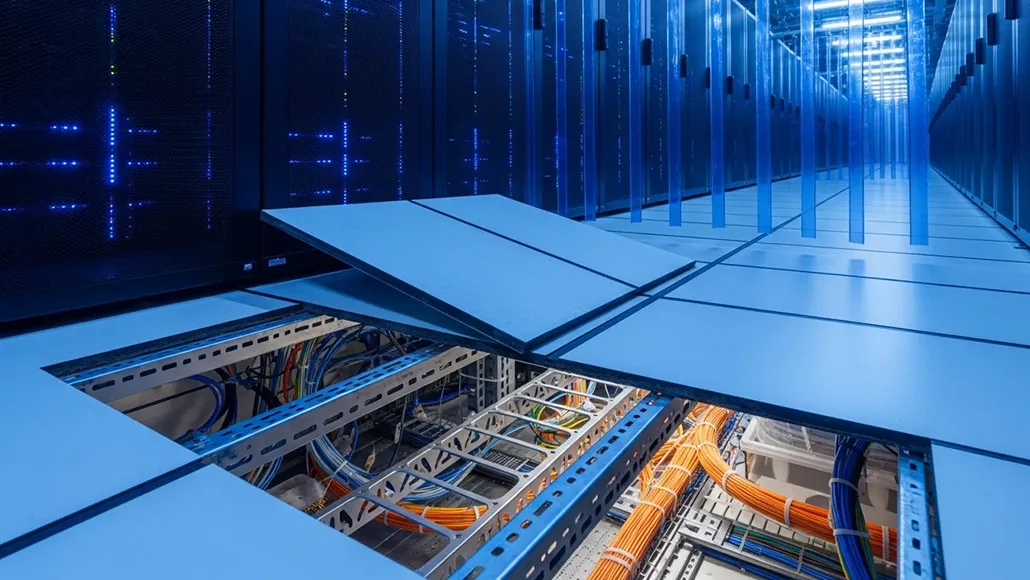

The traditional concept of a “solid” floor is being challenged by the needs of the digital age. In modern commercial architecture, the ground we walk on is no longer just a structural slab; it is a high-performance distribution hub. This shift is driven by the widespread adoption of modular raised flooring systems, which have become a cornerstone of smart building infrastructure. These systems create an accessible “plenum” a void between the structural subfloor and the finished walking surface that houses the complex network of power cables, data lines, and air distribution systems that power the modern workplace. As businesses demand greater flexibility and buildings become more “intelligent,” the ability to access and reconfigure this underfloor infrastructure has become an essential requirement for operational success and long-term asset value.
The Structural Anatomy of the Raised Access Floor
At its core, a modular raised flooring system consists of a grid of adjustable steel pedestals that support removable, high-strength floor panels. These panels are typically made from steel-encased concrete, aluminum, or high-density wood core composites, engineered to withstand the heavy loads of data servers, office furniture, and high foot traffic. The beauty of these raised access floors lies in their modularity; every panel can be easily lifted with a simple suction tool, providing instant access to the utilities below. This design eliminates the need for messy wall-chasing or expensive ceiling-based cable trays, allowing for a much cleaner and more organized approach to smart building infrastructure. In the lifecycle of a building, where technology may be upgraded every few years, this ease of access is a game-changer for facility management.
Flexibility and the Evolving Workspace
The modern workplace is characterized by constant change. From the “open-plan” revolution to the rise of hybrid work models, the internal layout of an office must be able to adapt quickly. Modular raised flooring systems are the primary tool for achieving this flexible workspace design. By locating power and data “plug-and-play” boxes within the floor panels, furniture and workstations can be relocated anywhere in the room without the need for rewiring or structural modifications. This “agility” is a core tenet of modern commercial interiors, as it allows companies to reorganize their teams or scale their operations in hours rather than weeks. In the context of smart building infrastructure, the floor becomes a dynamic component of the office that can be “reprogrammed” to meet the changing needs of its occupants.
Underfloor Air Distribution (UFAD) and Occupant Comfort
Beyond cable management, modular raised flooring systems are playing a critical role in the advancement of sustainable climate control. Underfloor Air Distribution (UFAD) systems use the plenum beneath the floor to deliver conditioned air directly to the “breathing zone” of the occupants. Traditional ceiling-based HVAC systems must blow air at high velocities to overcome the rising heat from people and equipment, which often results in drafts and uneven temperatures. UFAD systems, by contrast, use the natural principle of thermal stratification cool air is introduced at the floor level and slowly rises as it warms, carrying pollutants and heat away from the occupants. This approach not only improves indoor air quality and occupant comfort but also significantly reduces the energy consumption of the building’s mechanical systems, contributing to a higher green building certification.
The Role of Modular Construction Systems in Building Efficiency
The adoption of modular raised flooring systems is part of a broader shift toward modular construction systems in the global building industry. By using pre-engineered components that are manufactured in a controlled factory environment, developers can achieve a much higher level of precision and quality than is possible with on-site “wet” construction. Raised access floors are installed late in the construction process, protecting the high-tech utilities from the dust and damage of the early building phases. This phased approach improves overall project efficiency, reduces site waste, and allows for a much faster “speed to market” for new developments. For the developer, this means a faster return on investment and a building that is “future-proofed” against the inevitable march of technological change.
Integrated Technology and Smart Floor Panels
As we move deeper into the era of the Internet of Things (IoT), the modular raised flooring systems of today are becoming “smarter.” New generations of floor panels are being integrated with sensors that can monitor everything from underfloor humidity and temperature to the specific occupancy levels of a workstation. This data is fed back into the building management system (BMS), allowing the building to automatically adjust its lighting and HVAC settings in real-time based on actual usage. Some high-end commercial interiors even feature panels with integrated LED lighting for wayfinding or brand-specific aesthetics. In these smart buildings, the floor is no longer a passive surface but an active participant in the building’s “cognitive” function, helping to create an environment that is both hyper-efficient and highly responsive to human needs.
Acoustic Management in Raised Floor Environments
One of the historical challenges with raised access floors was the “hollow” sound often associated with walking on metal panels. However, advanced material science has addressed this through the development of high-density mineral cores and specialized acoustic underlays. Modern modular raised flooring systems can now achieve acoustic performance ratings that rival traditional solid floors. Additionally, the plenum itself can be used to house sound-masking systems that emit a subtle, “white noise” to protect speech privacy in open-plan offices. This focus on acoustic comfort is a critical component of high-quality commercial interiors, proving that technical efficiency does not have to come at the cost of a pleasant and productive working environment.
Economics and Lifecycle Value for Property Owners
While the initial cost of installing modular raised flooring systems can be higher than traditional flooring methods, the long-term economic benefits are substantial. The reduction in “churn” costs the expense associated with moving employees and their technology is the most immediate saving. Furthermore, the energy efficiency gained through UFAD systems can lead to significant reductions in operational utility bills. Perhaps most importantly, a building equipped with a high-performance raised access floor is much more attractive to premium tenants, leading to higher lease rates and lower vacancy periods. In the competitive world of commercial real estate, the flexibility provided by these systems is a key differentiator that enhances the asset’s overall lifecycle value.
Sustainability and the Circular Economy
In the push for more sustainable construction, modular raised flooring systems are a standout performer. Because the systems are mechanical and modular, they can be easily dismantled and reused in different locations or recycled at the end of the building’s life. This aligns with the principles of the circular economy, where the “waste” of one building becomes the raw material for another. Many manufacturers now offer “take-back” programs for their panels, ensuring that the high-value steel and aluminum are kept within the industrial loop. Additionally, the use of raised floors often allows for a reduction in the building’s overall height, as the space required for ceiling-based utilities is reduced, leading to a significant saving in raw building materials like concrete and steel.
Conclusion: The Infrastructure of the Modern Workplace
The evolution of modular raised flooring systems is a perfect metaphor for the transformation of the modern workplace itself. It represents a move away from rigid, permanent structures toward flexible, responsive, and data-driven environments. As smart buildings become the global standard for excellence, the importance of underfloor infrastructure will only continue to grow. By providing a foundation of flexibility, efficiency, and comfort, these systems are ensuring that our buildings are not just places to work, but active partners in our professional success. In the end, a smart building is only as intelligent as its most basic systems, and with a high-performance modular raised floor, that intelligence starts right at the ground level.
