



















The construction industry is currently standing at the threshold of a new era, driven by the relentless advancement of the Internet of Things (IoT) and the integration of sophisticated robotics into the very fabric of our buildings. For decades, the doors, windows, and facades of our structures were essentially static components, serving as simple physical barriers. However, the emergence of automation in doors and windows has fundamentally changed this dynamic, turning the building envelope into an intelligent, programmable interface. This transition is not merely about adding motors to hinges; it is about creating a connected ecosystem where every point of entry and every square meter of glass can respond to data-driven instructions. As we move toward the realization of truly smart cities, the automation of these core building elements is becoming the standard by which modern infrastructure is judged. The ability of a structure to perceive its environment and act accordingly is the true definition of intelligent architecture, and it is reshaping our relationship with the built environment in ways that were once limited to the realm of science fiction.
The Synergy of IoT Construction and Building Automation
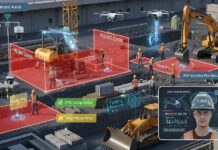
The backbone of this transformation is the seamless integration of hardware with high-speed digital networks. In a modern development, the facade is no longer an isolated skin but a critical node in the building’s nervous system. IoT construction techniques allow for the installation of hundreds of tiny sensors within the frames of windows and doors, monitoring everything from air pressure and temperature to humidity and structural vibration. This data is fed back into a centralized building automation platform that uses artificial intelligence to make micro-adjustments across the entire envelope. If a storm is approaching, the building knows to seal all apertures and adjust its structural tension. If the sun is particularly intense on the western face, the smart facades will automatically tint or deploy shading to protect the interior. This level of coordination ensures that the building operates with a degree of efficiency that was previously impossible, reducing energy waste and maximizing comfort without any manual oversight. The real-time nature of these adjustments allows the building to be truly proactive rather than reactive, anticipating changes in the environment before they impact the interior climate.
Transforming Access with Automated Doors and Intelligent Entry
While much of the focus on automation is directed at energy efficiency, the impact on security and accessibility is equally profound. Automated doors are becoming increasingly sophisticated, utilizing high-resolution cameras and biometric scanners to identify authorized personnel from a distance. This allows for a completely touchless entry experience, which is increasingly prioritized in a post-pandemic world focused on hygiene and seamless flow. Furthermore, these systems can be integrated with mobile devices, allowing occupants to grant access to visitors or delivery personnel from anywhere in the world. The ability to monitor every door and window from a single dashboard provides property managers with unparalleled oversight, ensuring that the building remains secure at all times without requiring a large on-site security presence. This centralized control also enables rapid response to emergency situations, such as lockdowns or evacuations, where every second counts. By removing the physical limitations of manual locks and heavy doors, intelligent entry systems create a more inclusive environment for people with disabilities, fostering a sense of independence and ease that traditional infrastructure cannot match.
The Rise of Smart Facades and Responsive Envelopes
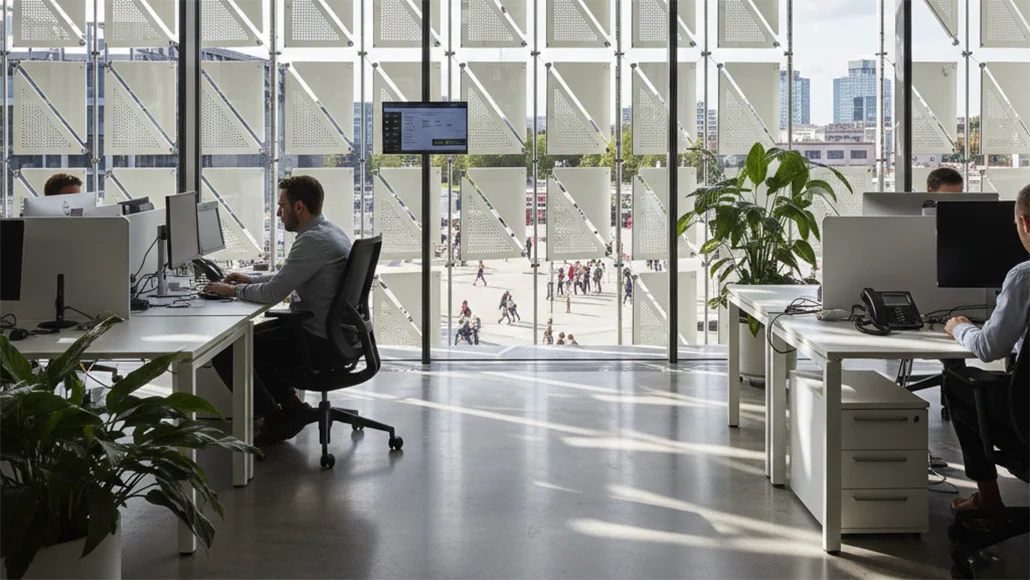
The concept of the facade has been reimagined as a dynamic, living skin that can change its physical properties in response to the environment. We are seeing the implementation of kinetic facades architectural surfaces composed of hundreds of moving parts that can open, close, or pivot to optimize light and ventilation. This automation in doors and windows and the surrounding facade elements allows the building to “breathe” naturally, significantly reducing the carbon footprint associated with mechanical cooling. These systems are often powered by their own integrated solar cells, making them energy-neutral or even energy-positive. The aesthetic impact is also significant, as the building’s appearance can change throughout the day, reflecting the rhythm of the city and the passage of time in a way that static architecture never could. This fluidity creates a more engaging urban experience, as the buildings themselves become active participants in the visual landscape. The engineering required to maintain these moving parts is substantial, but the benefits in terms of environmental performance and visual identity make it a compelling choice for flagship architectural projects around the world.
Predictive Maintenance and the Power of Analytics
One of the most valuable, yet often overlooked, benefits of building automation is the ability to perform predictive maintenance. In traditional buildings, a broken window seal or a malfunctioning door motor might go unnoticed until it causes a significant problem, such as a water leak or a security breach. However, intelligent infrastructure is self-diagnostic. By constantly monitoring the power consumption and operational speed of its motorized components, the system can detect subtle deviations that indicate a part is nearing the end of its life. An alert is then sent to the maintenance team before the failure occurs. This proactive approach not only saves money but also ensures that the building’s performance remains consistent, preventing the slow degradation that often affects older structures. The data collected over time also allows for a better understanding of how the building is used, informing future design improvements and operational strategies. This cycle of constant feedback and optimization is the hallmark of a data-driven approach to facility management, ensuring that the building remains an asset rather than a liability throughout its lifecycle.
Enhancing Occupant Well-being through Personalization
Automation is also enabling a new level of personalization in the workplace and the home. Occupants can now use apps to adjust the window tinting or the position of a door to suit their individual preferences, creating a bespoke environment that supports their specific tasks. This sense of control is linked to higher levels of satisfaction and productivity, as people feel more connected to and supported by their surroundings. In a commercial context, this flexibility allows for the rapid reconfiguration of spaces as teams grow or tasks change. Smart partitions and automated windows can work together to create temporary focus zones or open collaboration areas with a few taps on a screen. This adaptability is essential for the modern, agile workforce, where the only constant is change. By putting the power of the building envelope into the hands of the users, automation fosters a more democratic and responsive form of architecture that prioritizes human needs above structural rigidity.
Connectivity and the Future of Intelligent Infrastructure
Looking forward, the integration of automation will go even deeper, with buildings communicating not just internally, but with the wider urban grid. Imagine a scenario where a group of buildings coordinates their shading and ventilation strategies to balance the load on the city’s power network. Or where a building automatically adjusts its air intake based on real-time pollution data from a city-wide sensor array. This is the promise of connected buildings they are no longer isolated silos but active participants in a larger, smarter ecosystem. The technology required to achieve this is already being deployed, and as it becomes more ubiquitous, it will redefine our relationship with the built environment. This network-level intelligence will be crucial for managing the complex challenges of urban growth and climate change, allowing cities to be more efficient and resilient than ever before. The transition from individual smart gadgets to integrated urban infrastructure is the next great frontier in construction technology, and it is being led by the automation of the very doors and windows we walk through every day.
The automation of our doors, windows, and facades is more than just a trend; it is a fundamental restructuring of how we design, build, and inhabit our cities. It represents a commitment to a future where our buildings are as smart as the devices we carry in our pockets responsive, efficient, and always looking out for our well-being. By embracing these technological advancements, we are not just making our buildings better; we are creating a more resilient and sustainable foundation for future generations. The journey from static walls to intelligent infrastructure is well underway, and the possibilities it opens up are as vast as the imagination of the architects and engineers who are leading the charge. As we continue to innovate, our buildings will become more than just shelters; they will become active partners in our pursuit of a healthier, safer, and more connected world.
