


























The global construction industry is currently navigating a period of unprecedented transformation, driven by a collective urgency to address climate change and resource depletion. At the center of this movement is the emergence of sustainable flooring materials, which have become a defining element of high-performance, green buildings. No longer viewed as a secondary consideration, the choice of flooring now serves as a critical indicator of a project’s commitment to environmental stewardship and occupant health. This shift is characterized by a move away from extractive, high-energy manufacturing processes toward regenerative, circular models that prioritize the preservation of natural ecosystems and the reduction of atmospheric carbon. As the built environment accounts for nearly 40% of global carbon emissions, the role of every structural component, especially the expansive surface of the floor, has become a focus of intense scrutiny and innovation.
The Evolution of Eco-Conscious Surface Design
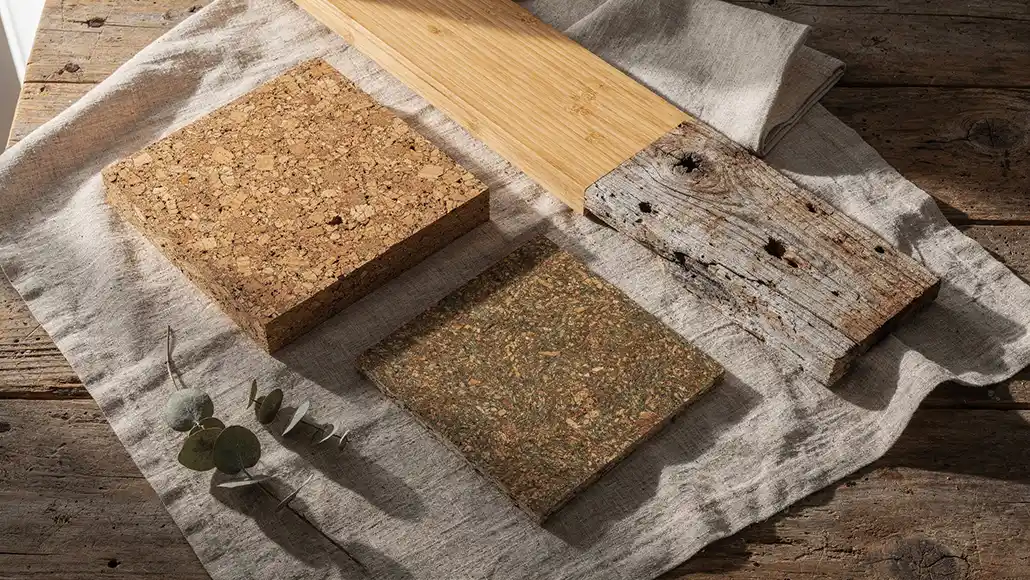
Historically, the flooring sector relied heavily on synthetic polymers and virgin natural resources, often involving intensive chemical treatments that compromised indoor air quality. However, the current landscape of sustainable construction has fostered a new generation of eco friendly flooring solutions that utilize rapidly renewable resources and recycled feedstocks. Materials such as cork, linoleum, and bamboo have seen a resurgence, not only for their aesthetic warmth but for their inherent carbon-sequestering properties. Unlike traditional hardwoods that may take centuries to mature, these renewable resources can be harvested in short cycles often under ten years ensuring a continuous supply without the ecological trauma associated with deforestation. This evolution represents a broader understanding of how material selection impacts the long-term health of our planet, moving from a “take-make-waste” mentality to one of thoughtful stewardship.
Recycled Content and the Circular Economy in Flooring
A cornerstone of the green building movement is the transition to a circular economy, where waste is designed out of the system entirely. In the flooring industry, this is being realized through the widespread adoption of recycled flooring products. Manufacturers are increasingly sourcing post-consumer waste such as discarded fishing nets, old carpet tiles, and industrial glass to create high-performance surfaces that rival virgin materials in both durability and appearance. For example, some of the most resilient luxury vinyl tiles (LVT) now feature a core made almost entirely from recycled automotive windshields or plastic bottles. By diverting millions of tons of waste from landfills and reducing the demand for raw material extraction, these sustainable flooring materials are closing the loop on production. The engineering required to transform waste into luxury surfaces involves sophisticated cleaning and pelletizing processes that ensure the final product meets the highest standards of safety and performance, proving that “recycled” does not mean “compromised.”
Biophilic Principles and Natural Material Integration
As we spend more time indoors, the psychological impact of our physical surroundings has gained prominence in architectural theory. Biophilic design the practice of connecting building occupants more closely to nature is a primary driver for the use of sustainable flooring materials. Natural textures and organic patterns found in sustainably harvested wood and stone evoke a sense of calm and well-being. Furthermore, the integration of biophilic elements has been shown to improve productivity in office environments and accelerate healing in healthcare settings. By choosing surfaces that reflect the natural world, designers are creating spaces that are not only environmentally responsible but also human-centric. This approach acknowledges the profound link between our habitats and our mental health, suggesting that the most sustainable building is one that nurtures the people inside it. The use of reclaimed timber, which carries the history of its previous life into a new space, adds a layer of narrative and soul that synthetic materials simply cannot replicate.
Indoor Air Quality and Low-VOC Innovations
The health of a building is often determined by the air within its walls, and flooring plays a decisive role in this equation. Traditional flooring adhesives and finishes were notorious for releasing volatile organic compounds (VOCs), which can lead to a range of respiratory issues and “sick building syndrome.” Today, the standard for green building materials has shifted toward low VOC flooring systems that utilize water-based coatings and mechanical installation methods. This innovation ensures that the process of laying a floor does not introduce harmful toxins into the environment. For schools, hospitals, and residential developments, the prioritization of air quality through material science is an essential component of modern sustainable construction, protecting the most vulnerable populations from long-term chemical exposure. The move toward “Health Product Declarations” (HPDs) allows architects to see exactly what is in a material, ensuring that no hidden carcinogens or irritants are being brought into the home or workplace.
Life Cycle Assessment and Carbon Footprint Reduction
To truly understand the environmental impact of a material, one must look beyond its immediate installation. Life cycle assessment (LCA) has become a vital tool in the selection of sustainable flooring materials, providing a transparent look at the energy consumption and emissions associated with a product from “cradle to grave.” Designers are now looking for materials with low embodied carbon the total greenhouse gas emissions generated during mining, transport, and manufacturing. For instance, some advanced concrete and bio-resin floors are now engineered to be carbon-neutral or even carbon-negative, effectively turning the building’s floor into a carbon sink. This level of accountability is transforming the supply chain, as manufacturers compete to produce the most energy efficient buildings by refining their industrial processes and switching to renewable energy sources. The transparency provided by Environmental Product Declarations (EPDs) is now a mandatory requirement for many high-profile projects, ensuring that sustainability claims are backed by rigorous, third-party data.
Thermal Mass and Energy Efficiency
Beyond its material composition, the floor plays a functional role in a building’s energy performance. Sustainable flooring materials with high thermal mass, such as polished concrete or natural stone, can absorb solar energy during the day and release it slowly at night, reducing the load on heating and cooling systems. This passive thermal regulation is a key component of energy efficient buildings, particularly in climates with significant temperature fluctuations. When combined with radiant floor heating which is more efficient than traditional forced-air systems the floor becomes an active participant in the building’s thermal envelope. This synergy between material choice and mechanical design demonstrates that sustainability is not just about what a floor is made of, but how it performs as part of a larger, integrated system.
The Role of Social Sustainability and Ethical Sourcing
A truly green building must also consider the human impact of its supply chain. The shift toward sustainable flooring materials has brought a renewed focus on social sustainability and ethical sourcing. This means ensuring that the timber is harvested from forests where the rights of indigenous people are respected, and that the labor used in stone quarries or carpet factories is fair and safe. Certifications such as the Forest Stewardship Council (FSC) and “FloorScore” provide assurance that a product meets high social and environmental standards. As consumers and corporations become more conscious of their global footprint, the demand for transparency in the flooring industry is driving manufacturers to improve their social practices alongside their environmental ones. This holistic view of sustainability ensures that our green buildings are built on a foundation of justice as well as ecological balance.
Modular Installation and the Reduction of Installation Waste
A major source of environmental impact in the construction phase is material waste. Traditional broadloom carpets or large-format tiles often result in significant off-cuts that end up in landfills. Responding to this, the move toward modular sustainable flooring materials such as carpet tiles or modular planks has dramatically reduced installation waste. These systems allow for precision fitting and easy replacement of single units if damage occurs, extending the overall life of the installation. Furthermore, the advent of “loose-lay” and magnetic installation systems eliminates the need for liquid adhesives, which not only speeds up the construction process but also makes the floor easier to dismantle and recycle at the end of its life. This “design for disassembly” is a critical principle of green building, ensuring that today’s floors become the raw materials for tomorrow’s structures.
Future Horizons: Mycelium and Bio-Fabricated Floors
As we look to the future, the next frontier of sustainable flooring materials lies in bio-fabrication. Researchers are currently developing flooring tiles grown from mycelium the root structure of fungi which can be produced with almost zero energy and are completely biodegradable. Other innovations include “living” floors that use algae to produce oxygen or bio-polymers derived from agricultural waste. These technologies represent a move from sustainable to “regenerative” construction, where the building materials themselves contribute positively to the environment during their lifespan. While still in the early stages of commercialization, these bio-fabricated surfaces offer a glimpse into a future where our buildings are grown rather than manufactured, marking the ultimate achievement in the quest for a truly green built environment.
