




























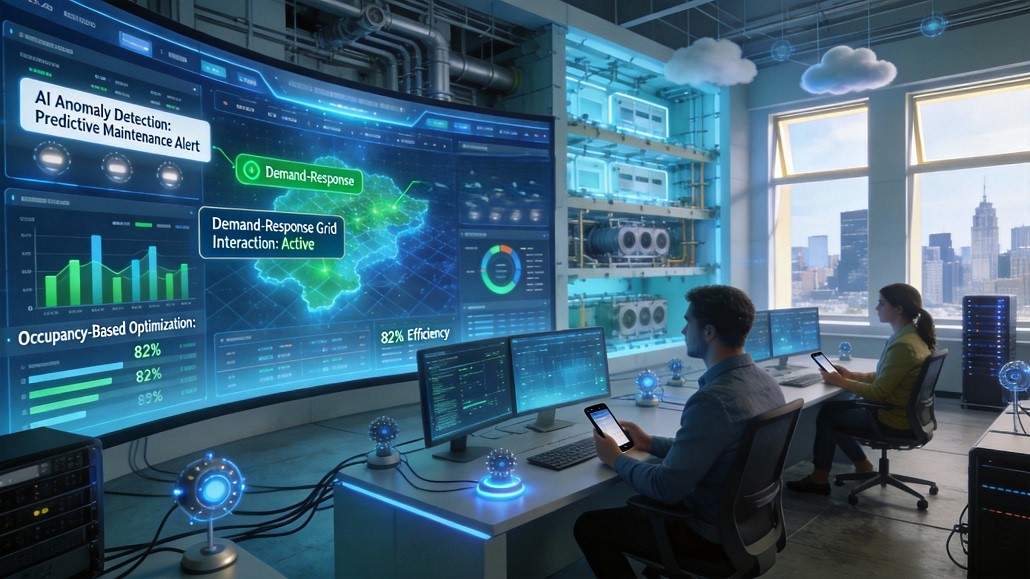

The modern architectural and engineering landscape is currently witnessing a seismic and irreversible shift in how mechanical and electrical utilities are overseen and managed. As urban centers continue to expand and the global pressure to reduce carbon footprints and energy costs intensifies, the role of digital building controls has moved from a secondary, background consideration to the very core of successful facility operations. These systems represent a sophisticated and highly integrated marriage of hardware sensors, high-speed communication networks, and complex software algorithms designed to monitor, analyze, and optimize every single joule of energy consumed within a structure.
The transition away from analog, manual adjustments toward fully automated energy management systems is not merely a technological upgrade; it is a fundamental and necessary reimagining of the building as a responsive, intelligent organism. This modern structure is capable of self-regulation and continuous improvement in the face of fluctuating environmental conditions and unpredictable occupancy demands, ensuring that the building performs at its peak throughout its entire lifecycle.
The Rise of Energy Management Systems in Smart Buildings
At the absolute heart of this transformation is the integration of comprehensive and unified energy management systems. Historically, building utilities such as heating, cooling, lighting, and security operated in isolated silos, with each component functioning independently and often at cross-purposes. Digital building controls break down these traditional barriers, creating a unified digital network where data flows freely and instantaneously between once-disparate systems.
This high level of interconnectedness allows for a degree of operational synergy that was once a theoretical dream for building engineers. For example, a modern energy management system can correlate real-time data from window position sensors with the building’s HVAC automation protocols. If a window is opened in a specific zone, the system can instantly and automatically throttle the climate control in that area to prevent the wasteful conditioning of outdoor air. This granular and intelligent level of oversight is the defining hallmark of truly smart buildings, where every operational decision is backed by high-fidelity, real-time data rather than guesswork or rigid schedules.
Leveraging Real-Time Monitoring and Big Data Analytics
The ability to see exactly how, where, and when energy is being used at any given second is perhaps the most powerful and transformative feature of modern digital building controls. High-resolution, cloud-based dashboards provide facility managers with a clear, visual representation of the building’s thermal and electrical load, allowing them to identify and eliminate inefficiencies that would otherwise remain hidden behind the walls. By utilizing advanced construction technology, these systems can track usage patterns over weeks, months, and even years, identifying subtle but significant drifts in performance that might indicate a failing component or an incorrectly calibrated sensor.
This transition from reactive, “fix-it-when-it-breaks” troubleshooting to a model of proactive, data-driven oversight ensures that energy management is a continuous, living process rather than an occasional or annual audit. The wealth of data generated by these systems allows for a deep understanding of the building’s unique thermal signature, enabling the fine-tuning of systems to match the specific needs of the occupants and the local climate with incredible precision.
Predictive Maintenance and Optimized System Performance
One of the most significant and financially impactful advantages of digital building controls is their capacity for predictive maintenance. By constantly and minutely monitoring the vibration, temperature, and current draw of critical motors, fans, and pumps, these systems can accurately predict mechanical failures well before they occur. This is a critical component of modern HVAC automation, as it allows maintenance teams to schedule repairs and replacements during off-peak hours or planned downtime, completely avoiding the excessive cost and operational disruption of emergency service calls.
Furthermore, optimized system performance is achieved through the sophisticated use of machine learning and artificial intelligence. These algorithms analyze historical occupancy data alongside hyper-local weather forecasts to pre-emptively adjust the building’s setpoints. Instead of waiting for a room to become uncomfortably warm before activating the cooling systems, the intelligent controls can anticipate the arrival of a large group of people and the afternoon peak of solar gain, maintaining perfect comfort while using the absolute minimum amount of energy.
The Impact of Construction Technology on Grid Integration
As the global energy landscape moves toward a more decentralized and renewable-heavy grid, the role of digital building controls extends far beyond the physical walls of the structure itself. Modern buildings are increasingly being designed and programmed to interact with the local electrical grid in real-time. Demand-response capabilities allow a building to automatically reduce its power consumption during times of peak grid stress or high pricing, often in exchange for significant financial incentives from the utility provider.
This level of smart building sophistication requires a robust and secure digital infrastructure that can respond to external grid signals within seconds. By acting as flexible and responsive loads, buildings equipped with advanced energy management systems become active and valuable participants in the stability and resilience of the urban energy landscape, rather than just being passive and unpredictable consumers. This connectivity is a vital part of the broader transition toward smart cities and a sustainable energy future.
The Human Element and Operational Efficiency
While the underlying technology behind digital building controls is undeniably complex, the ultimate goal remains elegantly simple: to create a more efficient, productive, and comfortable environment for human activity. The interface between the building’s users and its mechanical systems has undergone a radical and user-centric transformation. Mobile applications and personalized touch-screen kiosks now allow occupants to have a degree of control over their immediate environment that was previously unheard of in commercial settings.
However, the true success of these systems lies in their ability to operate seamlessly and invisibly in the background. By automating the most tedious and error-prone aspects of building management, digital building controls free up facility staff to focus on high-level strategic planning, occupant wellness initiatives, and long-term asset management. The final result is a structure that is not only significantly cheaper to operate and maintain but also more conducive to the creativity, productivity, and general well-being of the people who call it their workplace or home.
