


























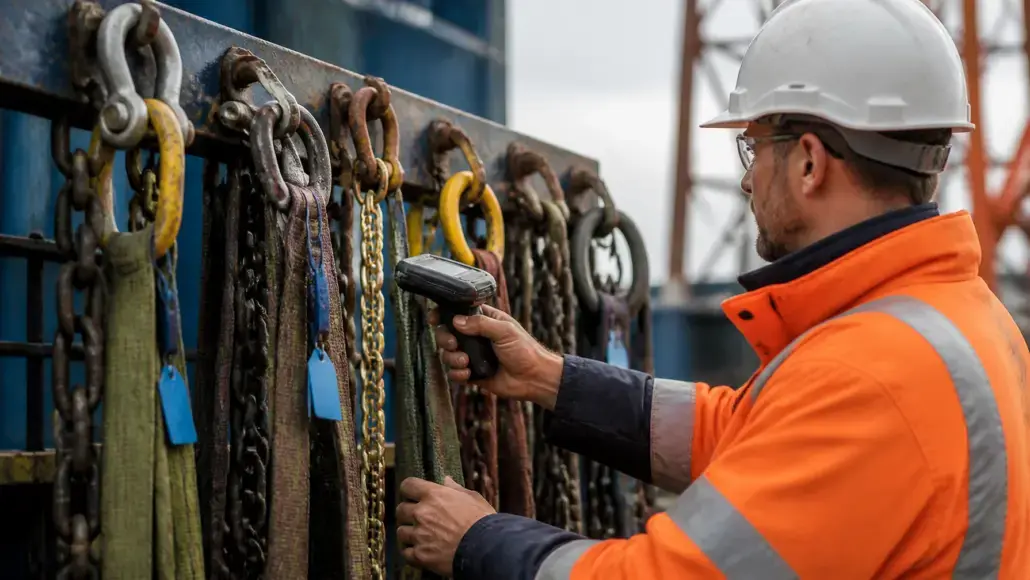


Managing a vast inventory of lifting accessories on a construction site presents a logistical challenge that directly impacts the safety and efficiency of operations. Chains, slings, shackles, and fitness harnesses must undergo regular inspections to ensure they remain fit for purpose and compliant with strict safety regulations. Historically, this process relied on manual recording and paper based logs, which are prone to human error, loss, and damage. The introduction of radio frequency identification has provided a digital solution to these challenges, allowing firms to track and manage their assets with unprecedented accuracy. By embedding small, durable tags into lifting hardware, companies can create a permanent digital identity for every piece of equipment.
The adoption of RFID tracking systems has transformed the way safety managers approach equipment oversight. Instead of searching through physical files or manually entering serial numbers, inspectors can simply scan a tag with a handheld device to access the entire history of an asset. This immediate access to data ensures that only equipment with valid certification is used on site, significantly reducing the risk of mechanical failure during a lift. The ability to automate the data collection process not only improves safety but also streamlines the administrative workload, allowing staff to focus on more critical tasks. As construction projects grow in scale and complexity, the need for reliable asset management tools becomes increasingly apparent.
Automating Asset Verification on Complex Sites
The primary benefit of utilizing RFID tracking systems on a construction site is the ability to perform rapid and accurate asset verification. In a busy environment where hundreds of lifting components are in constant use, ensuring that every item is correctly identified and tracked is a monumental task. RFID tags can be attached to or embedded within a wide variety of hardware, from heavy duty chains to synthetic slings. These tags are designed to withstand the harsh conditions of a construction site, including exposure to grease, moisture, and mechanical impact. When an inspector or operator scans a tag, the system automatically identifies the specific asset and links it to a centralized database.

This automation eliminates the need for manual data entry, which is a major source of inaccuracies in traditional inspection methods. On large scale projects with multiple subcontractors, the ability to quickly verify the ownership and status of equipment is essential for maintaining order and accountability. The system can be configured to alert managers if an asset is moved outside of a designated area or if it has been on site for longer than its intended duration. This level of visibility helps to prevent the loss or theft of valuable equipment, which is a common problem in the construction industry. Additionally, the digital record created by these scans provides an objective trail of evidence for insurance and regulatory purposes.
The infrastructure required to support these systems typically includes a combination of passive or active RFID tags, handheld readers, and cloud based management software. Passive tags are often preferred for smaller lifting accessories because they are inexpensive and do not require an internal battery. Active tags, which have a longer range and can transmit data autonomously, are more suitable for larger assets such as cranes and excavators. The software platforms used to manage this data are designed to provide a user friendly interface that allows managers to view the status of their entire fleet at a glance. Integration with existing project management tools ensures that asset data is shared across all relevant departments.
Improving Inspection Accuracy Through Digital Identification
The inspection of lifting equipment is a mandatory requirement under international safety standards such as LOLER and PUWER. These regulations require that all lifting hardware be thoroughly examined at regular intervals by a competent person. By using RFID tracking systems to manage these inspections, firms can ensure that every examination is conducted thoroughly and recorded accurately. When an inspector scans a tag, the software can present a customized checklist based on the specific type of asset being examined. This ensures that no critical components are overlooked and that the inspection is consistent with the latest industry guidelines.
Digital identification also solves the problem of illegible or missing serial numbers, which frequently occurs with older or heavily used equipment. When a physical ID plate becomes damaged, the asset can be difficult to identify, often leading to it being taken out of service prematurely. RFID tags provide a backup method of identification that remains readable even when the surface of the equipment is obscured by dirt or paint. This persistence of data ensures that the full lifecycle of the asset is recorded, from its initial purchase to its final disposal. The ability to maintain accurate records over several years is vital for identifying long term trends in equipment performance and durability.
The synergy between asset identification and load monitoring technology allows for a comprehensive overview of machine health and operational safety. While load sensors provide real time data on the forces being applied during a lift, RFID systems ensure that the hardware being used is capable of handling those forces. By combining these two sources of information, site managers can create a more holistic safety profile for every lifting operation. This integrated approach to data management enables more informed decision making and helps to identify potential risks that might not be apparent when looking at a single data point in isolation.
Lifecycle Management of Heavy Lifting Accessories
The lifespan of lifting equipment is determined by the intensity of its use and the quality of its maintenance. Proper lifecycle management is essential for maximizing the return on investment and ensuring that assets are retired before they become a safety hazard. RFID tracking systems enable firms to track the exact usage history of every item, including the number of lifts performed and the weights handled. This data allows maintenance teams to schedule service based on actual usage rather than just elapsed time. For example, a set of slings used for heavy lifts every day will require more frequent inspection than those used occasionally for lighter loads.
Tracking the history of an asset also helps to identify specific brands or models that are more prone to failure or wear. By analyzing the maintenance records stored in the digital database, procurement departments can make more informed decisions about future equipment purchases. This data driven approach to asset management reduces the overall cost of ownership by extending the life of high quality components and avoiding the purchase of unreliable hardware. Additionally, the system can track the location of assets across multiple project sites, ensuring that resources are allocated efficiently and that no equipment sits idle.
When an asset reaches the end of its safe working life, the RFID system can facilitate its decommissioning. The software can be programmed to flag equipment that has failed an inspection or reached its maximum usage limit, preventing it from being checked out for future lifts. This automated gatekeeping is a critical safety feature that prevents the accidental use of faulty hardware. The digital record of the asset’s disposal provides a complete history that is essential for regulatory compliance and environmental reporting. By managing the entire lifecycle of their lifting gear, construction firms can demonstrate a high level of professionalism and commitment to safety.
Integration with Site Safety Management Software
The data collected by RFID tracking systems is most valuable when it is integrated with broader site safety management platforms. This integration allows for the correlation of asset status with other site factors such as personnel training, weather conditions, and project schedules. By creating a unified digital environment, construction firms can improve the coordination between different departments and ensure that everyone has access to the latest safety information. This collaborative approach to risk management is essential for maintaining a safe workplace on complex and fast moving project sites.
The integration process typically involves:
- Synchronizing asset certification data with operator training records to ensure that only qualified personnel use specific equipment.
- Linking inspection schedules with project timelines to prevent delays caused by expired certifications.
- Providing real time alerts to site managers when a critical piece of hardware requires immediate attention or fails an inspection.
- Automating the generation of safety reports for stakeholders, including clients, contractors, and regulatory bodies.
- Enhancing the accuracy of site audits by providing a complete and verifiable record of all lifting activities and equipment status.
The use of cloud based software ensures that this information is accessible from any location, whether on the job site or in the head office. This accessibility is particularly important for firms managing multiple projects simultaneously, as it allows for a centralized oversight of safety standards across the entire organization. Mobile applications enable field staff to update asset records and record inspections in real time, further improving the accuracy and timeliness of the data. This digital transformation of safety management is a key factor in the industry’s ongoing efforts to reduce accidents and improve operational performance.
Reducing Human Error in Equipment Certification
Human error is a significant factor in many construction accidents, and the certification of lifting equipment is no exception. Manual recording of serial numbers and inspection dates is prone to mistakes that can have serious consequences. A single transposed digit in a serial number can lead to an asset being incorrectly certified or an expired certification being overlooked. RFID tracking systems eliminate these risks by automating the identification and recording process. When the scanner reads a tag, it automatically matches the asset to its correct record, ensuring that there is no ambiguity about its status.
This reduction in error extends to the actual inspection process itself. Digital checklists and mandatory photo uploads ensure that inspectors follow a consistent protocol and provide verifiable evidence of their findings. This level of accountability encourages a higher standard of work and provides a clear record of who performed the inspection and when. In the event of an incident, this detailed documentation is invaluable for demonstrating that all reasonable steps were taken to ensure the safety of the equipment. The ability to prove compliance with safety standards is a major advantage for construction firms in a highly regulated and litigious environment.
Additionally, the automation of the certification process reduces the time required for administrative tasks, allowing safety officers to spend more time on the ground monitoring operations. This increased presence on site leads to better communication with workers and a more proactive approach to identifying and mitigating hazards. The shift from a reactive to a proactive safety culture is one of the most significant benefits of adopting digital asset management tools. As the construction industry continues to embrace technological innovation, the use of RFID tracking systems will become an essential component of any modern safety management strategy, ensuring that workers are protected and projects are delivered successfully.