






















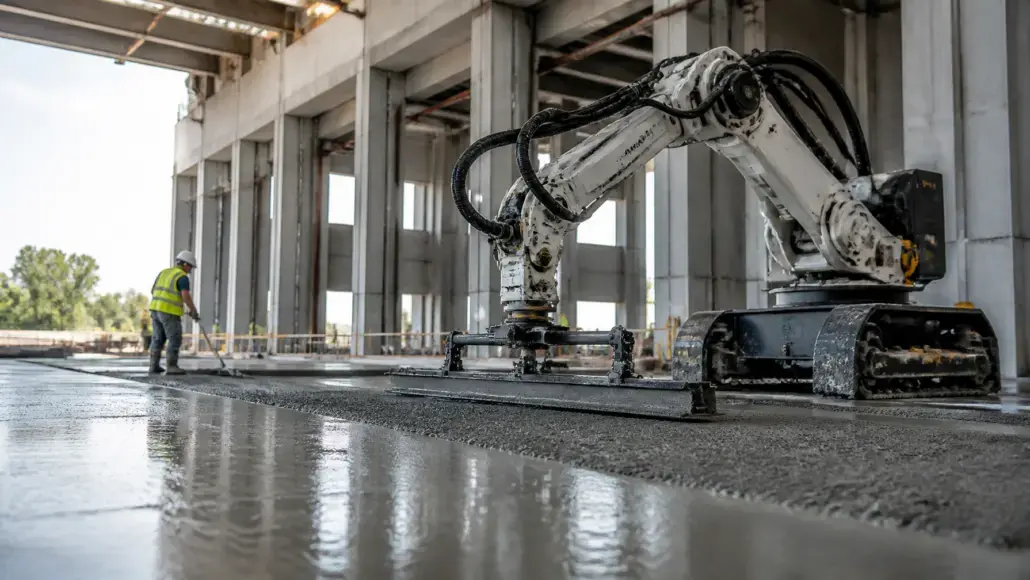


The concrete industry has long been characterized by labor-intensive processes and demanding physical requirements. However, the integration of construction robotics is fundamentally changing how concrete is manufactured, poured, and finished. These robotic systems provide a level of precision and consistency that manual labor cannot match, particularly in repetitive or hazardous tasks. By deploying autonomous and semi-autonomous machinery, construction firms are able to accelerate production schedules while significantly improving the quality of the final product. This shift is not merely about replacing human effort but about enhancing the capabilities of the workforce through high-tech collaboration.
As the complexity of modern infrastructure increases, the need for standardized yet flexible manufacturing solutions becomes paramount. Traditional concrete methods often struggle with non-linear designs and intricate architectural details. Autonomous concrete systems offer a solution by translating digital designs into physical reality with extreme accuracy. Whether through robotic arms that handle finishing tools or massive gantry systems for additive manufacturing, these technologies ensure that every cubic meter of concrete is placed exactly where it is needed. This precision is essential for maintaining structural integrity and meeting the stringent safety standards of the modern construction sector.
While automated rebar fabrication in the pre-assembly phase, robotic systems take over the physical placement and finishing of material on-site. The coordination between these two technological domains creates a unified production chain that minimizes delays and material waste. By leveraging construction robotics, project managers can gain real-time insights into the progress of concrete works, allowing for better resource allocation and more predictable timelines. The ability to monitor every stage of the manufacturing process ensures that deviations are caught early, reducing the likelihood of costly rework or structural failures.
Shift Toward Autonomous Concrete Production
The transition toward autonomous production in the concrete sector is driven by the need for higher throughput and better quality control. Manual concrete placement is subject to human variability, which can affect the strength and finish of the material. In contrast, automated placement units utilize programmed sequences to ensure a uniform application of concrete across the entire formwork. This consistency is particularly important for high-performance concrete mixes that require precise handling to achieve their intended properties. By automating the casting process, manufacturers can produce components that are lighter, stronger, and more durable than those made through traditional methods.
Autonomous systems are also highly adaptable to different environmental conditions. On a typical construction site, factors like temperature and humidity can influence the curing process of concrete. Advanced robotic systems are equipped with sensors that monitor these variables and adjust the placement speed or vibration intensity accordingly. This level of responsiveness ensures that the concrete maintains its structural properties even in challenging weather conditions. Beyond productivity gains, the use of robotics reduces the number of workers required in hazardous zones, such as deep excavations or high-elevation platforms, thereby enhancing the overall safety profile of the project.
The integration of these systems into the factory environment has also led to the rise of modular concrete construction. Precast plants now utilize robotic lines to assemble formwork, place reinforcement, and pour concrete with minimal human intervention. This factory-based approach allows for year-round production, independent of site conditions. The resulting modules are then transported to the site for rapid assembly, significantly shortening the overall construction duration. The precision of construction robotics ensures that these modules fit together perfectly, reducing the need for on-site grouting or adjustments.
Technical Advancements in Robotic Finishing and Casting
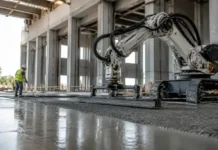
The technical sophistication of concrete robotics has reached a point where machines can perform delicate finishing tasks that were once considered the exclusive domain of skilled artisans. Robotic screeding and troweling systems can achieve incredibly flat surfaces, which is a critical requirement for industrial flooring and high-rise foundations. These machines use laser guidance and pressure sensors to traverse the wet concrete, applying the exact amount of force needed to create a smooth, dense finish.
Key technical components of modern robotic finishing systems include:
- Laser-guided leveling units that maintain precise elevation across large surface areas.
- Multi-axis robotic arms equipped with interchangeable troweling and polishing heads.
- Pressure-sensitive feedback loops that adjust the finishing speed based on the concrete’s stiffness.
- Autonomous navigation modules that allow machines to move around obstacles and site debris without manual steering.
- Integrated cleaning systems that prevent concrete buildup on the robotic components during operation.
- Wireless communication interfaces for remote monitoring and parameter adjustment by site engineers.
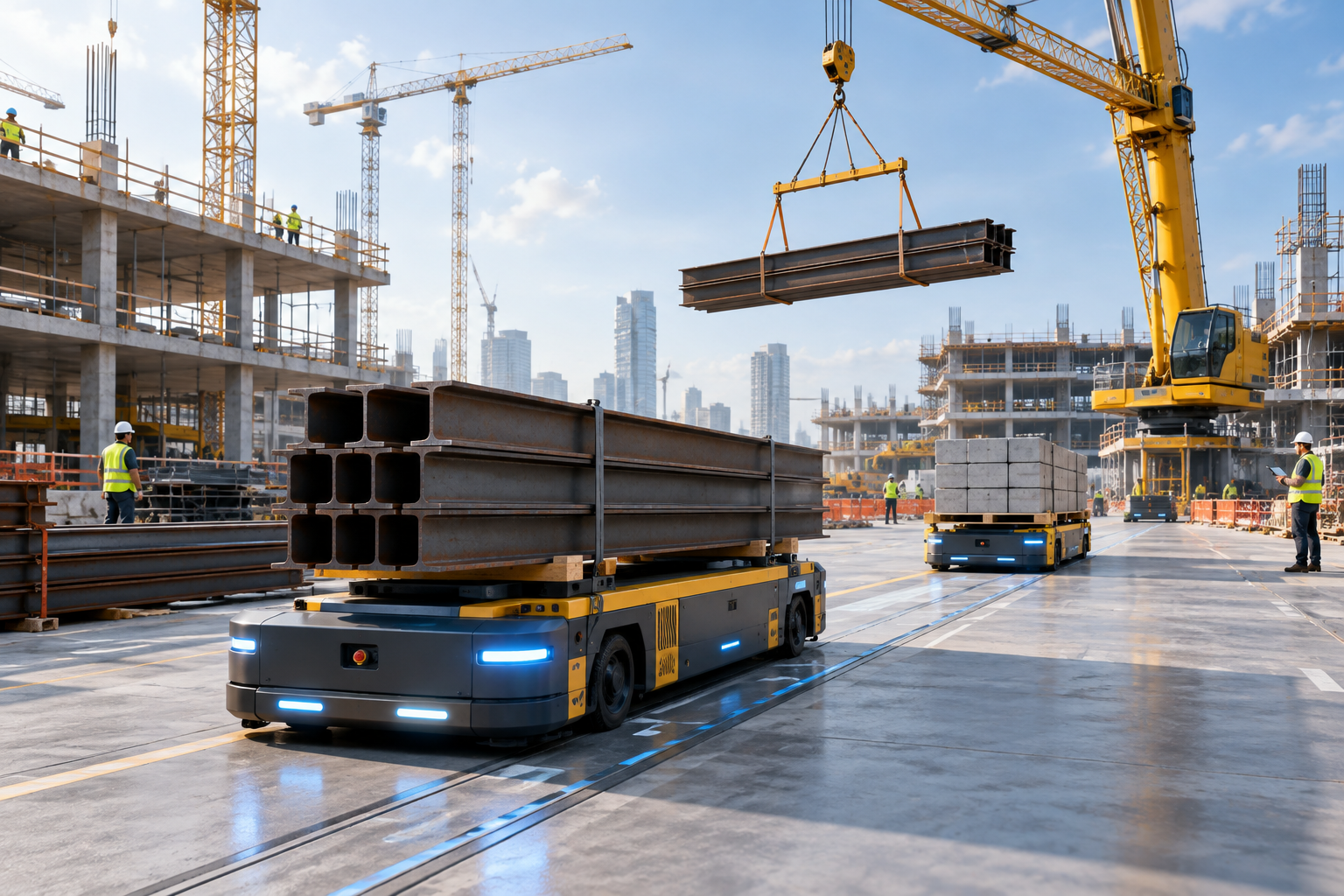
These advancements allow for continuous operation, even during night shifts or in conditions where visibility is poor. By utilizing construction robotics for finishing, firms can achieve a “super-flat” floor specification that is often required for automated warehouses and logistics centers. The reduction in manual finishing also eliminates the physical strain on workers, who would otherwise spend hours in repetitive, ergonomically challenging positions. This improvement in working conditions helps attract a new generation of tech-savvy professionals to the construction industry, addressing the long-term challenge of an aging workforce.
3D Printing and Large Scale Additive Manufacturing
One of the most visually striking applications of robotic construction is the rise of 3D concrete printing. This technology, also known as large-scale additive manufacturing, involves the layer-by-layer deposition of a specialized concrete mix to create structural walls and architectural elements. Unlike traditional casting, which requires expensive and time-consuming formwork, 3D printing allows for the creation of complex shapes directly from a digital model. This freedom of form opens up new possibilities for architectural expression while significantly reducing material usage.
The efficiency of 3D printing is rooted in its ability to place material only where it is structurally necessary. By creating hollow or lattice-structured walls, robotic systems can produce buildings that are lighter and more thermally efficient than solid concrete structures. This reduction in material volume also lowers the carbon footprint of the project, aligning with the industry’s growing focus on sustainability. As the technology matures, we are seeing the emergence of mobile 3D printers that can be deployed to remote areas to build housing or infrastructure quickly and affordably.
However, the success of robotic additive manufacturing depends on the development of specialized concrete mixes that can support their own weight as they are printed. Engineers are constantly refining these mixtures to ensure they have the right balance of flowability and rapid setting. The robotic systems themselves are also becoming more sophisticated, with some models incorporating reinforcement placement during the printing process. This integration of structure and material ensures that printed buildings meet the same rigorous codes as traditional concrete construction, paving the way for wider commercial adoption.
Safety and Labor Efficiency in Concrete Environments
The concrete manufacturing environment is inherently risky, involving heavy machinery, chemical additives, and strenuous physical labor. The deployment of construction robotics is a key strategy for mitigating these risks and improving labor efficiency. By automating the most dangerous tasks, such as vibrating concrete in deep forms or handling heavy finishing equipment, firms can protect their employees from long-term injuries and acute accidents. This shift toward a more robotic-centric workflow allows human workers to move into supervisory and technical roles, where they can oversee multiple machines and ensure quality standards are met.
In addition to safety gains, robotics provide a solution to the persistent labor shortages facing the construction sector. As the demand for infrastructure grows, the pool of skilled concrete finishers and laborers has remained stagnant or even declined in many regions. Automated machinery can fill this gap by performing the work of multiple people with higher consistency and without the need for breaks or shift changes. This increased productivity allows firms to take on more projects and meet tighter deadlines without overstretching their human resources.
The economic impact of this efficiency is profound. While the initial investment in robotic technology is significant, the reduction in labor costs and the acceleration of project timelines provide a clear path to profitability. Additionally, the precision of robotic systems reduces the amount of wasted concrete, which is a major expense on any project. By ensuring that the right amount of material is used in the right place, these autonomous systems contribute to a leaner, more sustainable concrete industry that is better equipped to handle the challenges of the future.
Integration of Digital Twins and Robotic Feedback
The future of autonomous infrastructure technology lies in the deep integration of hardware with digital data environments. Digital twins, which are virtual replicas of physical structures, are increasingly being used to guide robotic operations on-site. By feeding real-time data from robotic sensors back into the digital twin, engineers can monitor the exact state of the concrete placement and finishing as it happens. This feedback loop allows for immediate adjustments to be made, ensuring that the physical structure remains perfectly aligned with the design specifications.
This level of connectivity also facilitates proactive maintenance and operational optimization. Robotic systems can report on their own health, identifying potential component failures before they occur. This data-driven approach to maintenance minimizes downtime and ensures that the machines remain productive throughout the duration of a project. Additionally, the data collected by automated systems during a build can be used to improve future designs and manufacturing processes. By analyzing the performance of different concrete mixes and robotic sequences, firms can continuously refine their techniques for maximum efficiency.
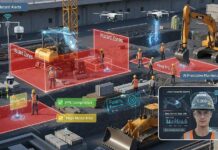
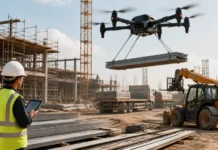
As we move toward a more digitized construction sector, the role of site-based automation will expand beyond simple task automation to become a central part of the project management ecosystem. These systems will work alongside other smart technologies, such as drones and material handling sensors, to create a fully integrated “smart site.” The resulting transparency and control will allow for a more resilient and responsive construction industry, capable of delivering complex concrete structures with unprecedented speed and precision. The journey toward full automation is ongoing, but the impact of robotics on concrete manufacturing is already undeniable.