

























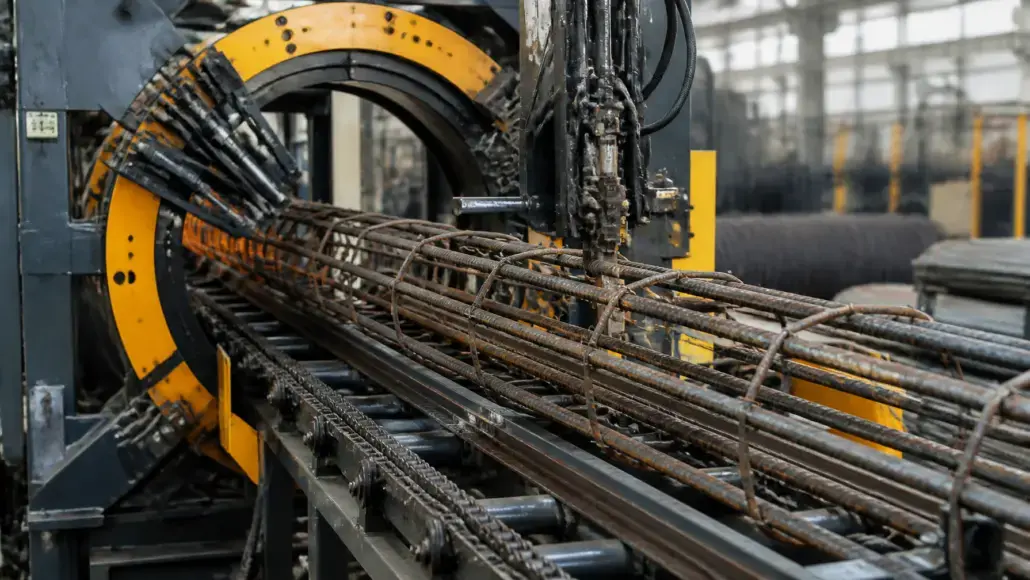


The modernization of infrastructure projects worldwide has necessitated a fundamental shift in how structural components are prepared and assembled. Central to this evolution is the increasing reliance on rebar fabrication equipment, which has replaced traditional, manual methods of steel reinforcement processing. By automating the cutting, bending, and assembly of reinforcing steel, construction firms can achieve levels of precision and consistency that were previously unattainable. This technological shift is not merely an incremental improvement but a structural change in the concrete reinforcement sector, ensuring that complex architectural designs are supported by accurately manufactured internal skeletons.
The demand for high-strength concrete structures in urban environments drives the need for faster and more reliable fabrication cycles. Manual rebar processing often leads to variations in bend angles and cut lengths, which can compromise the structural integrity of a building or bridge. In contrast, modern automated reinforcement machinery utilizes advanced sensors and computerized controls to execute designs with millimeter accuracy. This precision reduces material waste and ensures that every piece of steel fits perfectly within the formwork, facilitating a smoother transition from the design phase to physical construction.
As construction robotics automation across concrete manufacturing, the role of specialized machinery in preparing internal supports becomes even more critical. The synergy between these automated systems allows for a cohesive workflow where material preparation matches the speed of on-site assembly. By integrating rebar fabrication equipment into the broader construction lifecycle, contractors can mitigate the risks associated with manual labor shortages and rising material costs. The ability to produce large volumes of reinforced steel off-site or in controlled on-site environments provides a significant competitive advantage in a market where project timelines are increasingly compressed.
Evolution of Reinforcement Workflows
The historical reliance on manual labor for rebar fabrication presented several challenges, ranging from safety risks to significant time delays. Workers typically used handheld tools to bend thick steel rods, a process that was physically demanding and prone to human error. The introduction of stationary steel processing units marked the first major step toward industrializing this process. Early machines were capable of basic cutting and bending, but they lacked the sophisticated software integration found in today’s hardware. Modern systems are now capable of multi-axis bending and high-speed cutting, allowing for the creation of complex shapes required for modern seismic-resistant structures.
Transitioning to automated systems has redefined the logistics of concrete reinforcement. Large-scale infrastructure projects now utilize centralized fabrication hubs where high-capacity bending and cutting systems operate continuously to supply multiple sites. This centralized approach allows for better quality control and more efficient material management. Instead of shipping raw steel to various locations and processing it on-site, firms can produce finished reinforcement cages that are ready for immediate installation. This change in workflow not only saves time but also reduces the physical footprint of construction sites, which is particularly beneficial in congested urban areas.
The adoption of these systems is also a response to the growing complexity of architectural forms. Contemporary designs often feature curved surfaces and irregular geometries that require non-standard reinforcement patterns. Manual fabrication of such components is prohibitively expensive and time-consuming. However, programmable fabrication hardware can ingest digital design files and automatically adjust its parameters to produce unique shapes without manual intervention. This flexibility allows architects to push the boundaries of design while maintaining the structural reliability of the concrete.
Precision Engineering in Rebar Bending and Cutting
The technical capabilities of rebar fabrication equipment are centered on the integration of mechanical power and digital control. High-torque motors and precision hydraulics allow these machines to process various grades and diameters of steel with ease. The software driving these machines accounts for the spring-back effect of different steel types, ensuring that the final bend angle remains within the specified tolerance. This level of engineering detail is what differentiates automated systems from traditional mechanical aids.
Key technical features of these advanced systems include:
- Automated straightening mechanisms that handle coiled steel and prepare it for high-speed cutting.
- Multi-head bending units that can create multiple bends simultaneously, significantly reducing the cycle time per piece.
- Integrated tagging and tracking systems that assign unique identifiers to each fabricated component for easier site logistics.
- Real-time monitoring sensors that detect material defects or machine misalignments before they lead to production errors.
- Variable speed controls that allow operators to optimize production based on the complexity of the reinforcement design.
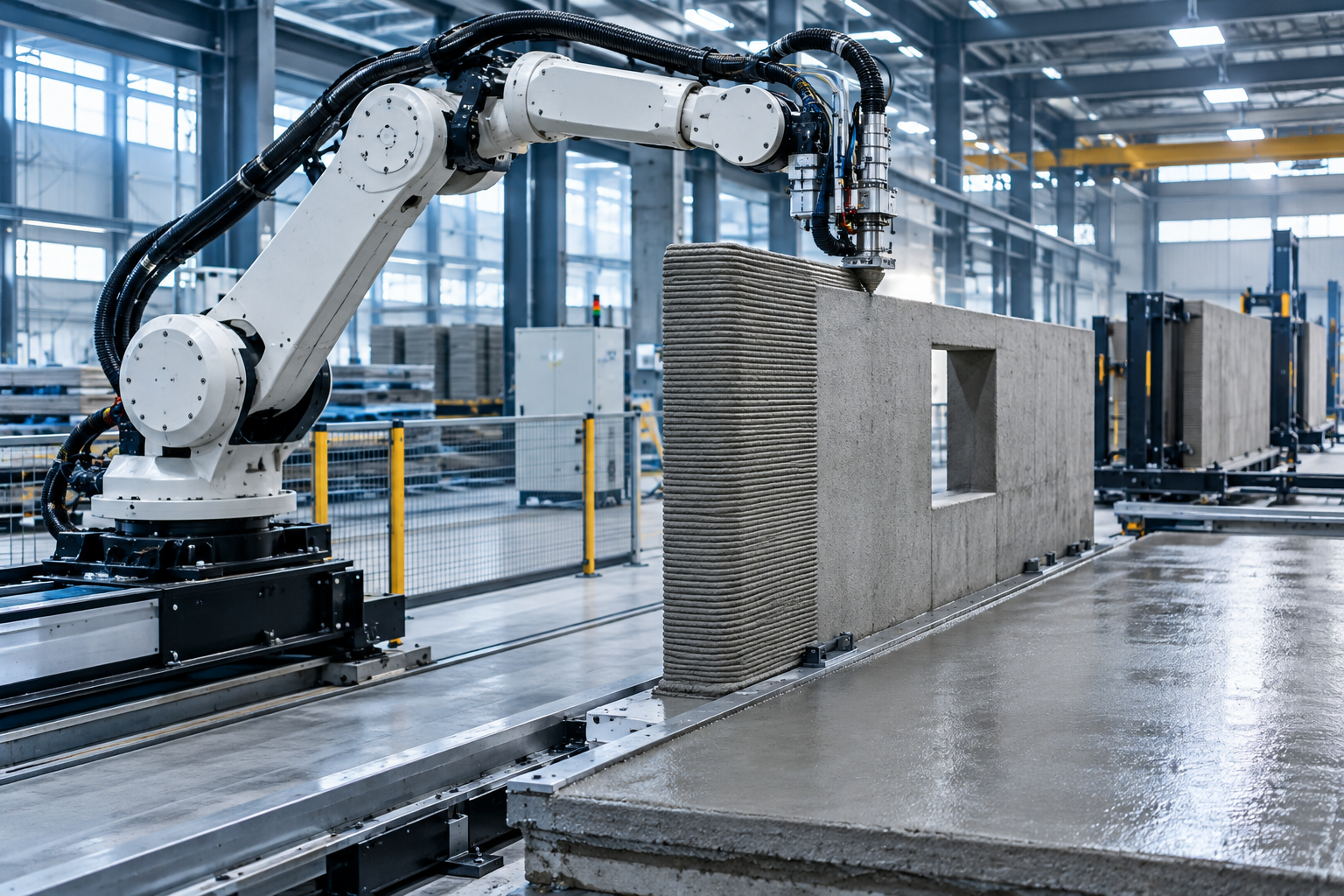
These features work in concert to eliminate the bottlenecks typically associated with reinforcement. For instance, the ability to process steel from large coils instead of pre-cut lengths reduces the number of scrap pieces, leading to substantial cost savings over the duration of a project. Additionally, the use of advanced reinforcement systems minimizes the need for on-site adjustments, which are often costly and can lead to project delays. By ensuring that every stirrup, tie, and longitudinal bar is produced to exact specifications, the equipment reinforces the overall quality of the concrete structure.
Integration with Building Information Modeling
One of the most significant advancements in the construction sector is the seamless flow of data from the design office to the shop floor. Modern automated steel systems are designed to interface directly with Building Information Modeling (BIM) platforms. This integration allows engineers to export reinforcement schedules directly to the fabrication software, eliminating the need for manual data entry. This digital thread ensures that the “as-built” reinforcement matches the “as-designed” model with absolute fidelity.
The use of BIM-to-machine workflows also facilitates better coordination between different construction disciplines. When fabrication hardware is connected to a central data environment, potential clashes between reinforcement bars and other embedded items, such as electrical conduits or plumbing sleeves, can be identified and resolved in the digital model. Once the design is validated, the automated equipment produces the necessary steel components with the confidence that they will fit into the designated spaces without interference.
Beyond direct production gains, the digital nature of these systems enables better traceability and documentation. Each batch of steel processed by the rebar fabrication equipment can be linked to its specific location in the structure. This data is invaluable for quality assurance and long-term facility management. In the event of a structural audit or maintenance requirement, engineers can refer back to the digital records to understand the exact specifications of the reinforcement used in a particular section of the building. This level of transparency is becoming a standard requirement for high-profile government and commercial projects.
Economic Impact of Automated Prefabrication
The economic rationale for investing in automated reinforcement technology is compelling, especially when considering the total cost of ownership and project delivery. While the initial capital expenditure for automated machinery is higher than for manual tools, the return on investment is realized through increased throughput and reduced labor costs. Automated systems can operate with minimal supervision, allowing a smaller team of skilled technicians to oversee the production of what would previously have required a large crew of manual laborers.
In addition to labor savings, the reduction in material waste provides a direct boost to the bottom line. Traditional manual cutting often results in substantial “off-cuts” that are sold as scrap at a fraction of the original steel price. Industrial fabrication systems optimize the cutting patterns to maximize the utility of every steel rod or coil. Over thousands of tons of steel, these marginal gains accumulate into significant financial savings. This efficiency is particularly important in an era of volatile steel prices, where material conservation is a key driver of profitability.
In addition to waste reduction, the speed of automated fabrication allows for faster project completion. In the construction industry, time is literally money, as delays lead to increased financing costs and penalties. By shortening the reinforcement phase of a project, contractors can move to the pouring and finishing stages sooner. The reliability of rebar fabrication equipment also reduces the risk of rework, which is one of the most significant hidden costs in construction. When reinforcement is right the first time, the entire project schedule remains on track, enhancing the reputation and financial stability of the contracting firm.
Future Trends in Reinforcement Technology
Looking ahead, the development of automated reinforcement machinery is expected to focus on even greater levels of autonomy and connectivity. Researchers are exploring the use of artificial intelligence to further optimize bending sequences and predict maintenance needs before they cause downtime. By analyzing data from thousands of fabrication cycles, these systems can learn to adjust their operations for different material properties, further enhancing the precision of the finished product.
Another emerging trend is the development of mobile processing units that can be deployed directly to remote project sites. These containerized units provide the benefits of factory-style automation in locations where traditional logistics are challenging. This mobility allows for the rapid establishment of a reinforcement supply chain for bridges, tunnels, and energy infrastructure in rural areas. As these systems become more compact and energy-efficient, their adoption is likely to expand beyond large-scale industrial projects to mid-sized commercial developments.
The integration of advanced materials, such as basalt or carbon fiber reinforcement, will also influence the design of future machinery. While steel remains the dominant material, the industry is increasingly looking at non-corrosive alternatives for harsh environments. Next-generation industrial hardware will need to be versatile enough to handle these different materials without compromising on speed or accuracy. As the construction industry continues to prioritize sustainability and resilience, the technology used to reinforce our built environment will remain at the forefront of industrial innovation.