
























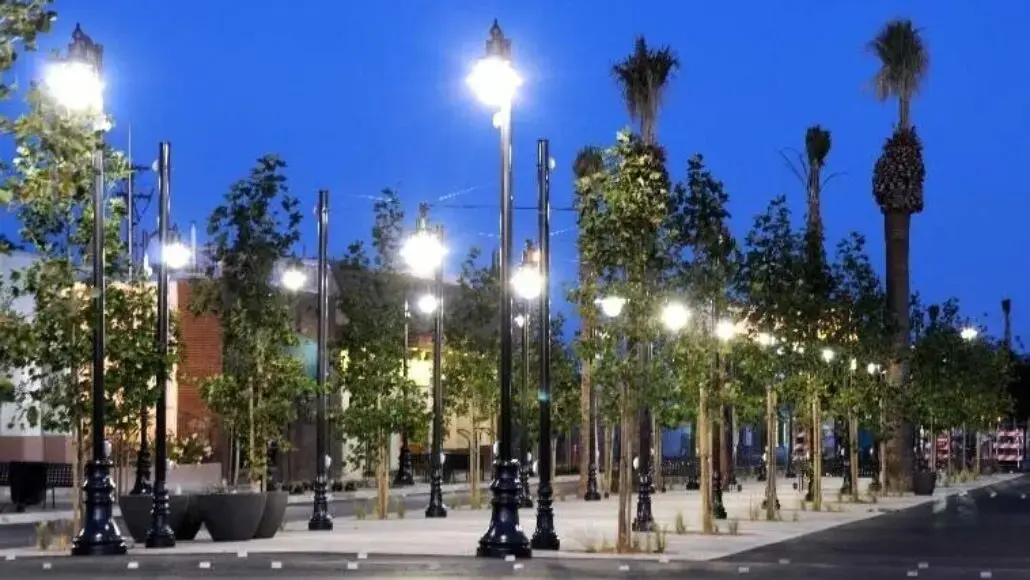


The primary function of streetscape lighting products in any urban development is to ensure the safety and security of all road users. In the context of modern infrastructure construction, this goes beyond simply providing enough light to see. It involves the careful application of photometric principles to eliminate dark spots and minimize glare, which can be disorienting for drivers and pedestrians alike. High-quality illumination is a fundamental component of crime prevention through environmental design, as well as a critical factor in reducing traffic accidents during the hours of darkness.
Properly designed streetscape lighting improves the perceived safety of an area, encouraging pedestrian activity and supporting local businesses after sunset. This is particularly important in high-density urban centers where the revitalization of public spaces is a key goal for city planners and developers. By creating well-lit pathways and plazas, municipalities can transform underutilized areas into vibrant community hubs. The selection of the light source is a major factor in this regard; modern LED technology offers superior color rendering compared to traditional high-pressure sodium lamps, making it easier for people to recognize faces and read signage.
In addition to general area lighting, specialized fixtures are often used to highlight pedestrian crossings and intersections. These fixtures are designed to provide a high level of vertical illuminance, making pedestrians more visible to oncoming traffic. The integration of these products requires careful coordination with other infrastructure elements, such as traffic signals and signage, to ensure a cohesive and functional streetscape. Resultantly, the lighting becomes a vital part of the urban fabric, supporting the mobility and well-being of the population.
Technical Specifications for Durability in Urban Environments
Streetscape lighting products are exposed to some of the harshest conditions in the built environment. They must be capable of withstanding extreme temperature fluctuations, high winds, heavy precipitation, and atmospheric pollutants. In addition to these environmental stressors, fixtures in urban areas are also subject to physical impact from vehicles and acts of vandalism. Consequently, the technical specifications for these products emphasize structural integrity and material resilience above all else.
The housing of a streetscape luminaire is typically constructed from high-grade die-cast aluminium, which offers an excellent strength-to-weight ratio and natural resistance to corrosion. The exterior finish is often a marine-grade powder coating that provides an additional layer of protection against the elements. For the optical components, tempered glass or impact-resistant polycarbonate is used to protect the LED modules from damage. These materials are selected not only for their durability but also for their ability to maintain clarity over many years of service.
The internal electronics of the luminaire must also be protected from environmental ingress. A high Ingress Protection (IP) rating, typically IP66 or higher, is required to ensure that the fixture remains sealed against dust and moisture. Furthermore, the power supply must be capable of handling voltage surges and fluctuations that are common in urban electrical grids. Many modern streetscape lighting products also incorporate thermal management systems that utilize the metal housing as a heat sink, ensuring that the LEDs operate within their optimal temperature range even in hot climates.
Integration of Smart City Sensors and Connectivity
The rise of the smart city movement has transformed streetscape lighting from a passive utility into a data-driven infrastructure asset. Modern light poles are now being used as platforms for a wide range of sensors and communication devices. These include environmental monitors that track air quality and noise levels, as well as traffic cameras and occupancy sensors that provide real-time data on the usage of public spaces. By integrating these technologies into the lighting system, municipalities can gather valuable insights that inform city planning and management.
Connectivity is the backbone of these smart lighting systems. Using protocols such as LoRaWAN, NB-IoT, or cellular networks, each luminaire can be connected to a central management platform. This allows for remote monitoring of the system’s performance, as well as the ability to adjust brightness levels and operational schedules based on real-time data. For example, the lighting can be dimmed during periods of low activity to save energy, or brightened in response to an emergency. This level of control is essential for achieving the efficiency and sustainability goals of modern urban infrastructure.
In addition to sensors, streetscape lighting products can also host wireless communication equipment, such as small cell nodes for 5G networks or public Wi-Fi hotspots. This helps in expanding digital connectivity across the city without the need for additional freestanding structures. However, the integration of these devices requires careful consideration of the structural and electrical capacity of the light pole. Designers must also ensure that the appearance of the pole is not compromised by the addition of external antennas and enclosures. Strategic planning and the use of integrated mounting solutions are key to maintaining the aesthetic integrity of the streetscape.
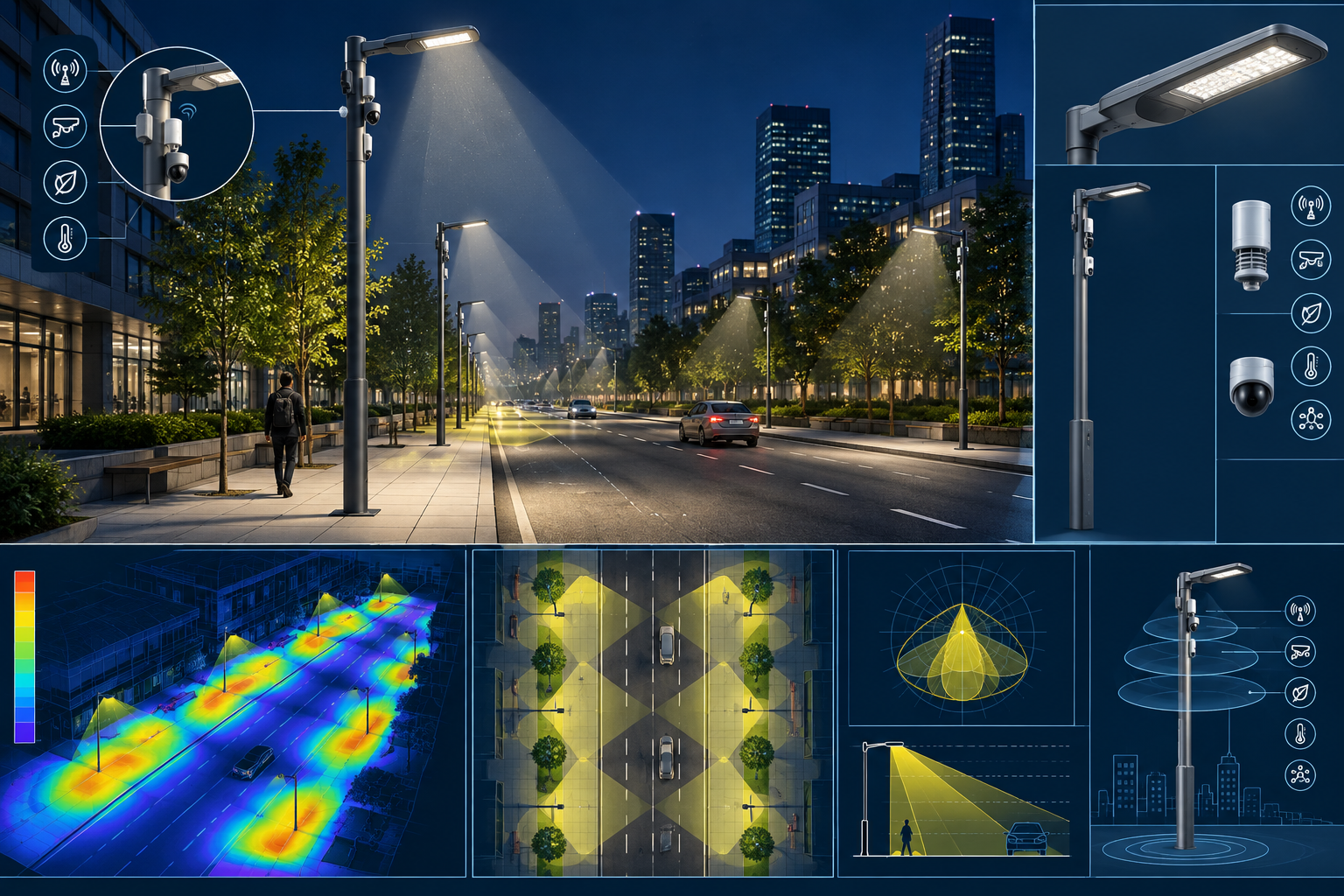
The deployment of smart lighting technology involves several critical steps:
- Establishing a reliable and secure communication network for data transmission.
- Selecting sensors that are compatible with the physical and electrical constraints of the luminaire.
- Developing a central management platform that can process and visualize the collected data.
- Ensuring that the system is scalable to accommodate future technological advancements.
By following these steps, city managers can create a lighting system that not only illuminates the streets but also serves as a foundation for a more intelligent and responsive urban environment.
Aesthetic Alignment with Modern Urban Architecture
While the technical and functional aspects of streetscape lighting products are paramount, their aesthetic impact on the urban environment cannot be ignored. The design of the light poles and fixtures should be in harmony with the surrounding architecture and the overall character of the neighborhood. In historical districts, this might involve the use of traditional or ornamental designs that evoke a sense of heritage. Conversely, in modern commercial developments, sleek and minimalist fixtures are often preferred for their clean lines and contemporary feel.
The choice of finish and color also plays a significant role in the visual impact of the lighting. Many manufacturers offer a wide range of standard and custom colors, allowing designers to match the poles with other street furniture, such as benches, bins, and railings. This helps in creating a cohesive visual identity for the streetscape. In some cases, the lighting itself can be used as a design element, with colored LEDs or dynamic lighting effects used to create a unique atmosphere or celebrate special events.
The proportions and scale of the light poles must also be carefully considered in relation to the surrounding buildings and the width of the street. Overly tall poles can feel out of place in narrow, pedestrian-focused lanes, while small fixtures may be lost in grand avenues. Proper placement is also essential to avoid cluttering the sidewalk and to ensure that the light is distributed effectively. This requires a collaborative effort between urban designers, architects, and lighting specialists to ensure that the lighting enhances the beauty and functionality of the public realm. Additionally, the use of exterior wall-mounted luminaires on adjacent buildings can supplement the street-level lighting and create a more layered and interesting nighttime environment.
Environmental Impact and Light Spill Control
The environmental impact of outdoor lighting is an increasingly important consideration for urban planners and developers. One of the main concerns is light pollution, which can disrupt local ecosystems, interfere with astronomical observations, and affect the health and sleep patterns of residents. To mitigate these effects, modern streetscape lighting products are designed with advanced optics that provide precise control over the light distribution. This ensures that the light is directed only where it is needed, such as on the road or sidewalk, and not into the sky or onto adjacent properties.
The use of “full cutoff” fixtures is a common strategy for controlling light spill. These fixtures are designed so that no light is emitted above the horizontal plane, significantly reducing skyglow. In addition, the use of shielding and internal baffles can further refine the beam spread and prevent light from entering the windows of nearby buildings. Another important factor is the color temperature of the light; research has shown that light with a high blue content can have a more significant impact on wildlife and human health. Resultantly, many municipalities are now specifying warmer color temperatures, such as 3000K or lower, for their street lighting projects.
Energy efficiency is another key component of the environmental performance of streetscape lighting. The transition to LED technology has already led to massive reductions in energy consumption compared to older lighting technologies. However, there is still room for further improvement through the use of intelligent control systems. By dimming the lights when they are not needed, cities can further reduce their carbon footprint and save on operational costs. Furthermore, the use of high-quality, long-lasting components reduces the amount of waste generated by the maintenance and replacement of fixtures. A holistic approach to environmental responsibility ensures that the lighting system contributes to the long-term sustainability of the urban environment.