




























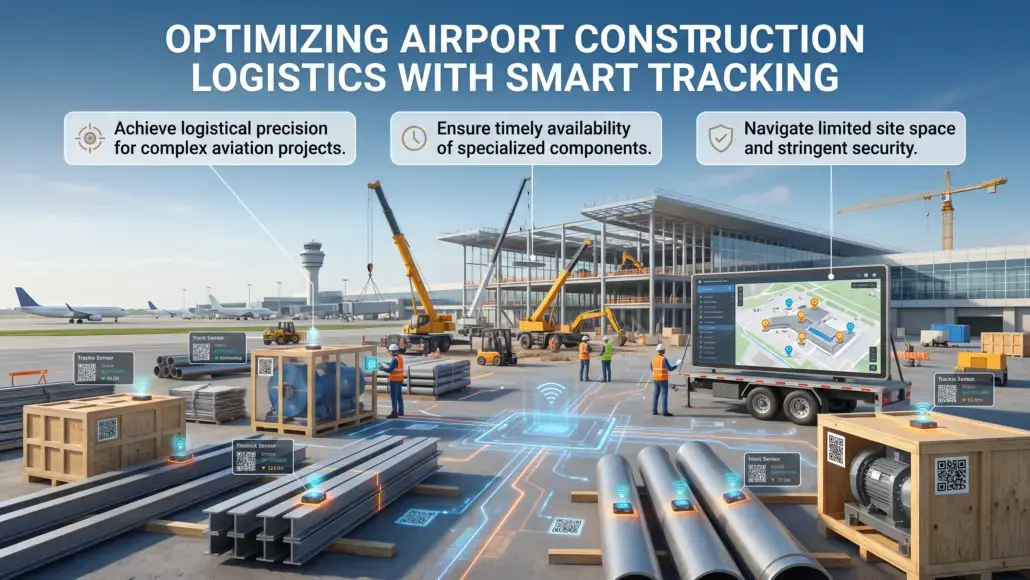


The scale and complexity of aviation infrastructure projects demand a level of logistical precision that traditional supply chain management often struggles to provide. Smart Material Tracking is essential for ensuring that the thousands of specialized components required for a modern terminal are available exactly when and where they are needed. In an environment where site space is severely limited and security protocols are stringent, the ability to track materials from the point of manufacture to the final installation site is a critical competitive advantage. By utilizing a combination of RFID, GPS, and cloud based data platforms, project managers can eliminate the uncertainty that often leads to delays and cost overruns. This digital oversight creates a more transparent and resilient supply network, capable of responding to the unique challenges of the airport construction sector.
Enhancing Inventory Precision through RFID Integration
Radio Frequency Identification (RFID) technology is at the heart of modern material management systems. Smart Material Tracking utilizes RFID tags to uniquely identify every major component, from structural steel beams to specialized HVAC units. These tags can be read automatically as materials move through the supply chain, providing real time data on their location and status. This eliminates the need for manual inventory counts, which are time consuming and prone to error. By having an accurate and up to date picture of the site’s inventory, project managers can avoid the common problem of “lost” materials, which can cause significant disruptions to the construction schedule.
Beyond simple location tracking, RFID tags can also store valuable data about the component, such as its manufacture date, batch number, and quality certification. This information is instantly accessible to the site team, allowing them to verify that the correct materials are being used for each part of the build. For example, if a specific grade of concrete reinforcing bar is required for a runway foundation, the RFID tag can confirm that the delivered material meets the required specifications. This level of detail is essential for meeting the rigorous quality and safety standards of the aviation industry. By integrating RFID technology into the daily workflow, the project can achieve a higher level of precision and accountability, ensuring that the facility is built to the highest possible standards.
Managing Lead Times for Specialized Aviation Components
Airport projects often require specialized materials that have long lead times and limited availability. Smart Material Tracking provides the visibility necessary to manage these critical components effectively. By tracking the materials from the moment they are ordered, project managers can identify potential delays in the manufacturing or shipping process early. This allows for proactive intervention, such as shifting the construction schedule or sourcing materials from an alternative supplier. The ability to predict when a critical component will arrive on site is essential for planning the work of the various subcontractors and ensuring that the project remains on track.
This foresight is particularly important for international projects, where materials may have to travel across multiple borders and through complex customs procedures. Digital tracking systems provide a clear record of the materials’ progress, allowing for more accurate predictions of arrival times. This reduces the need for “buffer” stock, which is expensive to store and takes up valuable space on the site. By optimizing the flow of materials, the project can maintain a more efficient and cost effective supply chain, leading to significant savings in both time and money. The data collected from these tracking systems can also be used to evaluate the performance of different suppliers, helping managers to select the most reliable partners for future projects.
Sustainable Procurement and Waste Reduction Strategies
Sustainability is an increasingly important consideration in the construction of aviation infrastructure. Smart Material Tracking supports environmental goals by providing the data necessary to reduce waste and optimize resource utilization. By having a precise understanding of the materials on site, project managers can avoid over ordering and ensure that materials are used before they become obsolete or damaged. The ability to track the source of the materials also allows for more sustainable procurement practices, such as selecting suppliers who use recycled content or who have a lower carbon footprint.
Additionally, digital tracking systems can be used to manage the recycling and reuse of construction waste. For example, if a particular material is not needed for one part of the project, it can be identified and redirected to another area where it is required. This minimizes the amount of material that is sent to landfill and reduces the overall environmental impact of the build. The data collected from these systems can also be used to provide detailed reports on the project’s sustainability performance, which is often a requirement for securing green building certifications. By integrating sustainability into the core of the supply chain management process, the project can deliver a facility that is both efficient and environmentally responsible, meeting the expectations of both regulators and the public. The tracking data can also be used to verify the carbon footprint of each material, allowing for the creation of a “carbon passport” for the entire building. This level of transparency is increasingly required for international projects that must comply with strict environmental reporting standards. By demonstrating a commitment to sustainability throughout the supply chain, the project team can enhance the airport’s reputation and secure its long term viability in a carbon constrained economy.
Additionally, the use of smart material tracking facilitates the implementation of circular economy principles. Materials that are no longer needed on site can be identified and offered to other local construction projects, creating a regional network of resource sharing. This not only reduces waste but also creates a more resilient and sustainable local economy. The ability to track the entire lifecycle of the materials, from procurement to disposal or reuse, provides a comprehensive view of the project’s environmental impact. This data driven approach to sustainability is essential for the future of the construction industry, where resource efficiency and environmental responsibility are becoming core components of project success. By leading the way in sustainable supply chain management, the airport construction sector can set a new standard for other infrastructure industries to follow.
Just in Time Delivery Coordination in Restricted Zones
The restricted nature of airport sites, combined with the need to maintain high levels of security, makes the coordination of deliveries a major challenge. Modern tracking technology enables a “just in time” delivery model, where materials are brought to the site exactly when they are needed for installation. This reduces the amount of time that materials spend in storage, minimizing the risk of damage and theft. By coordinating deliveries through a central digital platform, the airport can ensure that delivery vehicles are scheduled to arrive during off peak hours, reducing congestion and the impact on daily flight operations.
The use of GPS tracking on delivery vehicles provides real time visibility into their progress, allowing the site team to prepare for their arrival. This reduces the time that vehicles spend waiting at security gates and ensures that they are directed to the correct location on the site. Once the materials are unloaded, the digital record is instantly updated, providing a clear audit trail for every delivery. This level of coordination is essential for maintaining the high pace of construction required for major airport expansions. By streamlining the delivery process, the project can achieve greater efficiency and reliability, ensuring that the work proceeds smoothly and without interruption.
Building a Resilient Data Driven Supply Network
The integration of smart technology into the supply chain is not just about tracking individual components; it is about building a more resilient and data driven network. Advanced logistical oversight provides the wealth of data necessary to identify and address systemic inefficiencies. By analyzing the performance of the entire supply chain, project managers can identify bottlenecks and develop strategies to improve the flow of materials. This continuous process improvement is essential for the long term success of the airport, as it allows for the optimization of maintenance and future expansion projects.
The digital twin of the supply chain, created through the integration of tracking data and building information models, provides a valuable resource for facility managers. They can use the model to identify the location and specifications of every component in the airport, making it easier to plan maintenance and repairs. For example, if a specialized lighting fixture needs to be replaced, the facility manager can instantly identify the manufacturer and the exact model number from the digital record. This reduces the time and cost of maintenance and ensures that the airport remains in peak operational condition. By building a resilient and data driven supply network, the project team can deliver a facility that is both efficient to build and easy to operate, providing a stable foundation for the future of global aviation. This holistic approach to supply chain management is a hallmark of a modern and professional construction operation, essential for the success of any major infrastructure project in the 21st century. The wealth of data generated by these tracking systems can also be used to train artificial intelligence (AI) models that can predict future supply chain disruptions. By analyzing historical trends and real time data, these models can identify potential risks, such as a looming shortage of a particular material or a likely delay in a key shipping lane. This allows project managers to take preemptive action, ensuring that the construction remains on track even in the face of unforeseen challenges.
As the industry moves toward more collaborative and integrated project delivery models, the sharing of supply chain data between different parties will become increasingly common. This transparency fosters a more trusting and efficient relationship between owners, contractors, and suppliers, leading to better outcomes for all stakeholders. The ability to verify the status and location of materials in real time reduces the risk of disputes and facilitates faster payment cycles. By creating a more efficient and equitable supply network, the industry can attract the investment and talent needed to deliver the next generation of global aviation infrastructure. Through these combined efforts, the construction sector can overcome the logistical hurdles of the modern world and build a more connected and sustainable future for all. Every step toward a more data driven supply chain is a step toward a more reliable and successful project delivery, ensuring that the airport remains a vital link in the global transportation network.