





















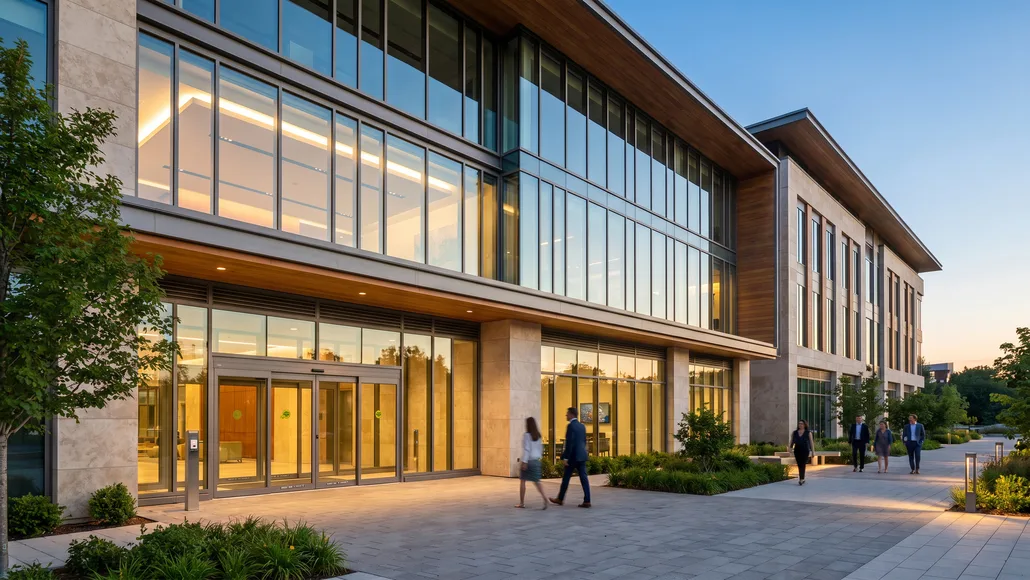

The evolution of the modern building envelope has shifted from simple weather protection to a highly sophisticated, active performance system. In contemporary architecture, every element of the exterior facade must contribute to energy efficiency, structural resilience, and long-term financial return. Among these components, fenestration plays a disproportionately critical role, directly influencing both the interior experience and the exterior aesthetic. Building owners, developers, and architects increasingly recognize that investing in high-specification fenestration is not merely an aesthetic choice but a sound capital investment. Incorporating advanced door window systems improving building value is now a standard practice for premium commercial and residential developments worldwide. By integrating state-of-the-art materials, thermal engineering, and precision hardware, these systems transform how properties perform over their entire lifecycle.
The Modern Building Envelope and Asset Valuation
At its core, a building envelope acts as the primary barrier between the controlled indoor environment and the erratic outdoor elements. Historically, windows and doors were viewed as weak points in this thermal barrier, responsible for substantial energy loss and structural vulnerability. However, recent developments in engineering have turned these traditional liabilities into powerful assets. Modern building envelope solutions prioritize high-performance glazing and insulated frame profiles, creating a continuous barrier that works in harmony with mechanical heating and cooling systems.
The market value of a property is heavily tied to its operational efficiency, occupant comfort, and structural durability. When assessing commercial or multi-family residential real estate, institutional investors and appraisers analyze these performance indicators to determine capitalization rates and asset longevity. High-quality building products, particularly those that form the envelope, reduce physical depreciation and lower maintenance costs. By integrating advanced door window systems improving building value, developers can secure higher rental yields, reduce tenant turnover, and achieve premium valuations upon sale or refinancing.
Thermal Performance and Energy Conservation Engineering
Energy conservation is no longer just a regulatory requirement; it is a key driver of modern real estate development. Windows and doors are major pathways for thermal transfer, which occurs through conduction, convection, radiation, and air infiltration. To mitigate this thermal transfer, engineers have developed energy efficient windows that utilize advanced glazing technologies and thermal breaks within the frame construction.
The thermal performance of these systems is measured through several metrics, primarily the U-factor, which indicates the rate of heat transfer, and the Solar Heat Gain Coefficient, which measures solar radiation transmission. Low-emissivity coatings are thin, microscopically thin metal oxide layers applied to glass surfaces that reflect infrared heat while allowing visible light to pass through. Additionally, the space between double or triple glass panes is filled with inert gases like argon or krypton, which are denser than air and significantly reduce convective heat transfer.
To complement high-performance glass, frame materials must also feature thermal barriers. Aluminum, a material widely favored for its strength and sleek profiles, is highly conductive by nature. To overcome this, manufacturers incorporate polyamide thermal breaks into the frame profiles, physically separating the interior and exterior aluminum sections to block conductive heat paths. These thermal innovations ensure that HVAC systems do not have to work overtime to maintain comfortable temperatures, leading to lower energy bills and a reduced carbon footprint.
Structural Engineering and Security Reinforcement
Beyond energy performance, the physical security and structural integrity of a building are vital to its value and desirability. Fenestration systems are highly vulnerable to forced entry, seismic activity, and extreme weather events. Therefore, modern systems utilize heavy-duty materials and advanced security mechanisms to provide comprehensive protection.
High-performance door and window systems are designed with multi-point locking systems that secure the sash to the frame at several points around the perimeter. This makes it incredibly difficult for intruders to pry the window or door open, providing peace of mind for occupants and reducing insurance premiums for building owners. Furthermore, structural glazing techniques utilize high-strength silicone sealants to bond glass panes directly to the supporting frames, distributing wind loads and impact forces evenly across the structure.
For regions prone to severe weather or high security risks, laminated glass is standard. Laminated glass consists of two or more panes of glass bonded together with a tough plastic interlayer, typically polyvinyl butyral. In the event of an impact, the glass cracks but remains adhered to the interlayer, preventing dangerous shards from scattering and maintaining the integrity of the building envelope. This structural resilience protects the property from water damage, wind-driven debris, and forced entry, preserving the long-term value of the physical structure.
Aesthetic and Spatial Integration in Contemporary Architecture
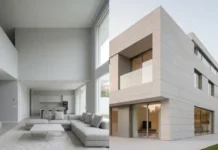
In modern architecture, the boundary between indoor and outdoor spaces is increasingly blurred. Architects strive to maximize natural light and capture panoramic views, which requires expansive glass areas and minimalist frame profiles. Architectural glazing has evolved to meet these aesthetic demands without compromising structural or thermal performance.
Large-format sliding doors, bi-fold systems, and floor-to-ceiling window walls allow light to penetrate deep into the building interior. This abundance of natural daylight reduces the reliance on artificial lighting and creates a sense of spaciousness, which is highly prized in both luxury residential and high-end commercial spaces. Minimalist frame designs, featuring ultra-slim sightlines, ensure that the frame does not obstruct the visual connection to the outside world.
Furthermore, custom frame finishes, such as high-durability powder coatings and anodized options, allow architects to match the fenestration systems with the overall architectural theme. Whether a project demands a sleek industrial look, a warm timber finish, or a bold geometric statement, modern building products offer unparalleled design versatility. This aesthetic appeal translates directly into market demand, as properties with striking visual design and seamless spatial flows command premium prices in competitive real estate markets.
Acoustic Attenuation and Indoor Environmental Quality
As urban areas grow denser and noisier, acoustic comfort has become a critical component of indoor environmental quality. Noise pollution from traffic, construction, and public transit can lead to stress, sleep disruption, and reduced productivity for building occupants. High-performance door and window systems play a decisive role in blocking external noise and creating peaceful interior sanctuaries.
Acoustic performance is measured by Sound Transmission Class and Outdoor-Indoor Transmission Class ratings. Standard single-pane windows provide minimal sound insulation, allowing most low-frequency and high-frequency sounds to pass through. Advanced systems achieve superior acoustic attenuation by using multi-pane glass of varying thicknesses. Different glass thicknesses disrupt different sound wave frequencies, preventing them from penetrating the building.
The inclusion of laminated glass with acoustic PVB interlayers further dampens sound vibrations, absorbing noise energy before it can travel through the pane. Additionally, high-quality compression seals and gaskets ensure that when the window or door is closed, there are no air gaps for sound to leak through. This acoustic isolation is essential for urban apartments, office buildings, and hotels, directly enhancing occupant comfort, tenant retention, and overall property value.
Financial Returns and Long-Term Real Estate Appreciation
While the initial capital expenditure for premium fenestration systems is higher than that of standard installations, the long-term financial returns far outweigh the upfront costs. A detailed return on investment analysis reveals several avenues through which advanced door window systems improving building value generate financial benefits for property owners.
First, the reduction in operational costs is immediate. Energy-efficient installations can lower heating and cooling costs by up to thirty percent, directly improving the building’s net operating income. For commercial properties, a higher net operating income translates to a higher overall property valuation when applying standard capitalization rate formulas.
Second, the durability and low-maintenance requirements of advanced materials mean that future repair and replacement costs are minimized. Modern aluminum and composite frames do not warp, rot, or corrode, and advanced hardware is engineered to withstand hundreds of thousands of operating cycles. This longevity reduces capital expenditure reserves, allowing property owners to allocate funds to other high-value initiatives.
Finally, green building certifications, such as LEED, BREEAM, or WELL, rely heavily on energy efficiency, daylighting, and acoustic performance. Fenestration systems are vital to achieving these certifications, which in turn attract high-profile tenants willing to pay premium rents. Sustainable buildings enjoy lower vacancy rates and appreciate at a faster rate than conventional properties, solidifying the economic case for high-performance installations.
Strategic Selection of Materials and Maintenance Life-Cycles
Choosing the right materials is crucial for ensuring the long-term performance and durability of door and window systems. Architects and developers must evaluate different materials based on structural requirements, local climate, and aesthetic goals. The primary frame materials in modern construction include aluminum, timber, uPVC, and composite systems.
Aluminum is highly valued for its high strength-to-weight ratio, which allows for slim profiles and massive glass spans. To ensure durability, aluminum frames are treated with high-performance finishes like PVDF coatings or anodization, which resist fading, chalking, and salt-spray corrosion. Timber, on the other hand, offers natural thermal insulation and a warm, premium aesthetic. However, timber requires regular maintenance to prevent moisture absorption and rot.
To combine the benefits of different materials, composite systems, such as timber-clad aluminum, have gained popularity. These systems feature a low-maintenance, weather-resistant aluminum exterior and a warm, natural wood interior. For mid-range residential projects, high-quality uPVC frames with multi-chamber profiles offer excellent thermal performance and low maintenance at a lower cost. Regardless of the material chosen, selecting hardware designed for high-frequency usage is essential to prevent premature wear and maintain smooth operation over decades.
The Future of Building Envelopes and Sustainable Design
As the construction industry moves toward a net-zero future, fenestration technology continues to innovate. The integration of smart glass, which automatically adjusts its tint in response to sunlight intensity, represents a major leap forward. This dynamic glazing reduces glare and cooling loads on hot summer days while maximizing solar heat gain and natural light in the winter.
Another promising development is building-integrated photovoltaics, where solar cells are embedded directly into the architectural glazing. This allows windows to generate clean electricity while still serving as transparent building elements. Furthermore, the use of vacuum-insulated glass, which achieves triple-glazing thermal performance in a double-glazing thickness profile, is set to revolutionize retrofitting projects in historic buildings.
In conclusion, investing in premium building products is a strategic decision that delivers multifaceted returns. By prioritizing thermal efficiency, security, durability, and aesthetics, advanced door window systems improving building value establish a solid foundation for sustainable, resilient, and highly profitable real estate assets. As building regulations tighten and occupant expectations rise, high-performance fenestration will remain a cornerstone of modern, high-value architecture.
