

























PALFINGER has formed a technology collaboration with ICON to accelerate the development of robotic 3D printing for large-scale construction applications. The agreement combines PALFINGER’s capabilities in lifting systems, engineering platforms, and large-size robotics with ICON’s established position in automated construction technology.
Through this partnership, both companies intend to examine how robotic 3D printing can contribute to improving construction efficiency, safety standards, and sustainability outcomes. PALFINGER, drawing on more than 90 years of engineering experience, will integrate its expertise in modular lifting systems and automation into the advancement of large-scale robotic printing platforms. This move also aligns with its broader effort to expand into digital manufacturing and automation beyond its conventional crane and lifting equipment business.
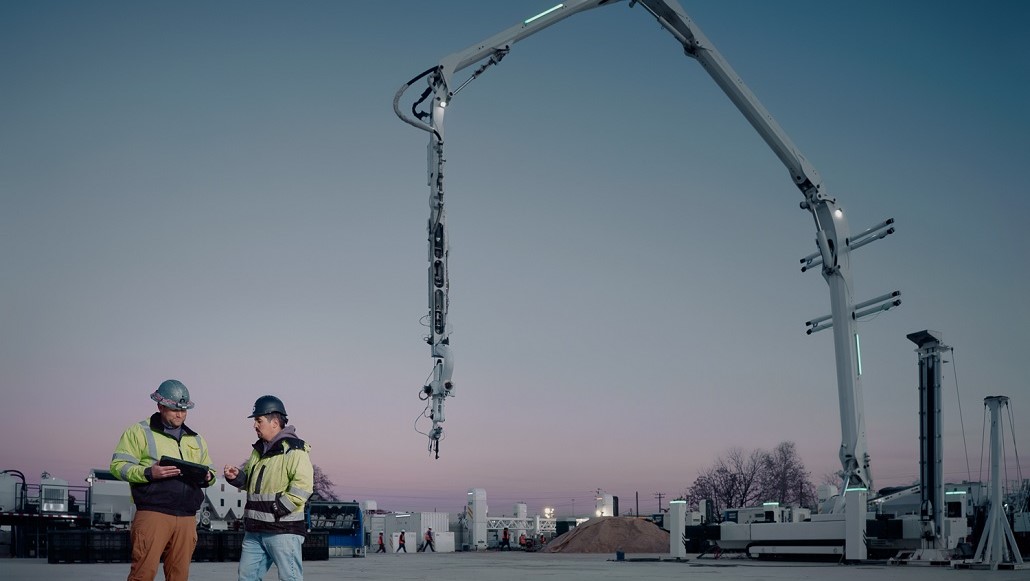
A key component of the collaboration is ICON’s “Titan” system, a large-scale robotic platform designed specifically for automated construction. PALFINGER is providing specialised lifting technology to support precise positioning, operational stability, and scalability of the system. The Titan platform incorporates crawler systems, stabilisers, and modular components, enabling continuous operations and allowing construction processes to run around the clock. The companies state that the system can produce structures up to approximately 27 feet in height and is capable of supporting multi-level building designs.
By integrating ICON’s 3D printing technology with PALFINGER’s engineering strengths, the companies are working toward scalable solutions aimed at addressing industry-wide challenges such as labour shortages, the need for affordable housing, and increasing demand for sustainable construction methods. Alexander Susanek, chief operating officer at PALFINGER, said the collaboration demonstrates how the company is extending its engineering expertise into new industrial applications. He noted that integrating PALFINGER’s lifting and handling systems with robotic construction technologies could unlock new opportunities in automation and large-scale robotics.
Initial prototypes of the Titan system have already undergone testing, demonstrating potential for industrial deployment. According to the companies, the technology could accelerate project timelines while reducing construction costs compared with traditional building methods. Additionally, robotic construction systems may reduce on-site workforce requirements while improving safety, as automated equipment can handle labour-intensive or hazardous tasks.
The partnership also supports PALFINGER’s long-term strategy to diversify its technology portfolio and expand into sectors linked to automation and digital manufacturing. For ICON, access to PALFINGER’s global manufacturing capabilities, engineering expertise, and international service network could support the broader rollout of robotic construction systems. As automation continues to reshape the construction industry, both companies expect that combining robotics, advanced manufacturing, and engineering innovation will help drive wider adoption of next-generation building technologies.