
























The evolution of modern architecture has historically focused on the verticality of structures and the transparency of facades, yet the most critical touchpoint of human interaction within any building the floor is currently undergoing a radical technological renaissance. In contemporary development, flooring innovation trends are no longer merely about aesthetic choices or basic durability; they represent a fundamental shift toward integrated system performance. As construction demands higher efficiency and lower carbon footprints, the floor has become a canvas for material science breakthroughs that address acoustic management, thermal regulation, and structural longevity simultaneously. This transition is being fueled by a global push for buildings that are not only habitable but also intelligent and responsive to the needs of their inhabitants, fundamentally altering the blueprint of the built environment.
The Convergence of Intelligence and Material Science
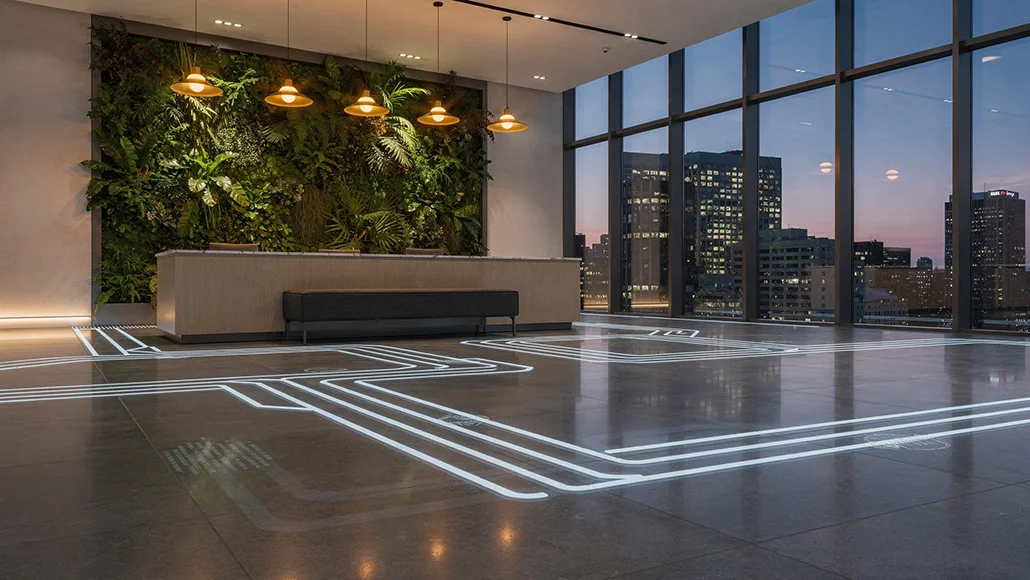
One of the most significant shifts in the industry is the emergence of smart flooring materials that transcend traditional utility. In the context of modern construction, flooring is being reimagined as a sensory layer within the building’s nervous system. We are seeing the integration of thin-film sensors and conductive polymers capable of monitoring foot traffic patterns, detecting falls in healthcare facilities, and even generating energy through piezoelectric principles. These systems represent the pinnacle of flooring innovation trends, where the surface underfoot becomes a data-generating asset. Architects and developers are increasingly prioritizing these technologies to enhance the operational efficiency of commercial spaces, allowing for real-time adjustments to heating, ventilation, and lighting based on actual occupancy data gathered directly from the floor. This integration of the Internet of Things (IoT) into the very ground we walk on is a hallmark of the next generation of smart city infrastructure.
Advancements in High-Performance Composite Structures
Beyond the digital integration, the physical composition of flooring systems has achieved new levels of sophistication. High performance surfaces are now being engineered at the molecular level to provide unprecedented resistance to chemical exposure, mechanical impact, and microbial growth. In industrial and healthcare settings, the move toward seamless, poured resin systems and advanced vinyl composites has eliminated traditional failure points such as grout lines and joints. These construction materials trends emphasize a holistic approach to lifecycle value, where the initial investment in advanced surfacing technology pays dividends through reduced maintenance requirements and extended replacement cycles. The engineering of these materials often involves cross-linked polymers that provide a self-healing capability, where minor scratches or indentations can be mitigated through thermal or chemical reactions, preserving the integrity of the surface for decades without the need for intensive sanding or refinishing. This durability is essential in the era of “forever buildings,” where structural longevity is a key metric of success.
Modular Engineering and the Future of Flexibility
The rapid pace of modern business requires internal environments that can adapt to changing needs without the necessity for disruptive renovations. This has led to a surge in modular flooring innovation trends, specifically the development of magnetic and adhesive-free installation systems. These methods allow for the rapid replacement of individual sections or entire layouts, facilitating the easy access to underfloor cabling and utilities a critical requirement in data centers and high-tech office spaces. By decoupling the floor finish from the subfloor through mechanical or magnetic bonds, modern construction projects are achieving a level of agility that was previously unattainable. This modularity also supports the growing circular economy within the building sector, as components can be salvaged, refurbished, and repurposed in different locations, significantly reducing the waste associated with traditional floor demolition. The ability to swap out a worn section of a floor in minutes, rather than days, is transforming the economics of facility management.
Sustainability as a Core Driver of Architectural Innovation
The global mandate for green building practices has positioned sustainable flooring at the forefront of the design process. Today, the selection of materials is guided by rigorous life cycle assessments that account for everything from raw material extraction to end-of-life disposal. We are seeing a move away from petroleum-based plastics toward bio-based resins, recycled ocean plastics, and carbon-sequestering minerals. These flooring innovation trends are not merely a response to regulatory pressure but a reflection of a deeper market demand for environments that promote indoor air quality and environmental stewardship. Low-emission certifications and the elimination of hazardous phthalates have become standard requirements for high-performance surfaces in modern construction, ensuring that the beauty of a floor does not come at the cost of human health or ecological balance. This focus on “healthy materials” is now as important as structural integrity in many luxury and corporate developments.
Thermal Dynamics and Energy Management Through Surfaces
A sophisticated but often overlooked aspect of flooring innovation trends is the role of the surface in a building’s thermal strategy. In the pursuit of energy efficiency, modern construction is increasingly utilizing flooring systems with high thermal mass or integrated radiant heating and cooling capabilities. These systems allow for more consistent indoor temperatures and lower energy consumption compared to traditional air-based HVAC systems. The development of phase-change materials within flooring sub-layers further enhances this effect, as these materials can absorb and release heat to buffer temperature swings throughout the day. This intersection of material science and mechanical engineering demonstrates how the floor is becoming an essential component of a building’s energy management profile, contributing to the overall reduction of the built environment’s carbon footprint. By leveraging the large surface area of the floor, buildings can achieve high levels of comfort with significantly lower operational costs.
Acoustic Engineering and the Psychology of Space
As open-plan designs continue to dominate both corporate and residential sectors, the challenge of acoustic management has become a primary focus of flooring innovation trends. Modern construction now utilizes multi-layered flooring systems designed to mitigate both impact noise and airborne sound transmission. These systems often incorporate recycled rubber or cork underlays that provide a high “Impact Insulation Class” (IIC) rating without adding significant thickness to the floor profile. This acoustic performance is critical in multi-story developments where noise transfer between floors can significantly impact the quality of life or worker productivity. Furthermore, the tactile nature of these resilient surfaces provides a “softer” walking experience, reducing physical fatigue for occupants who spend long hours on their feet. This blend of auditory and physical comfort illustrates how modern surfaces are being tuned to the physiological needs of humans.
Digital Realism and the New Aesthetics of Construction
While technical performance is paramount, the visual and tactile qualities of flooring continue to drive architectural trends. The digital revolution has introduced printing technologies that can replicate the intricate textures of natural stone, reclaimed timber, and artisanal textiles with staggering accuracy. These digital printing decorative surfaces allow architects to achieve luxury aesthetics while benefiting from the durability and ease of maintenance inherent in modern synthetic materials. The ability to customize patterns and incorporate branding directly into the flooring material provides a powerful tool for experiential design. This synergy between high-fidelity visuals and high-performance engineering ensures that modern construction projects do not have to compromise on beauty to achieve the rigorous standards of durability required in today’s high-traffic environments. We are moving toward a future where the floor is not just a surface, but a high-definition medium for artistic expression.
The Role of Robotics in Installation and Maintenance
The construction site of the future is being shaped by the integration of robotics into the flooring installation process. Autonomous robots are now being deployed to handle the precision laying of tiles, the application of resinous coatings, and even the high-speed sanding of hardwood surfaces. This flooring innovation trend addresses the growing labor shortage in the construction industry while ensuring a level of precision and consistency that is difficult to achieve through manual labor. Once the floor is installed, the role of robotics continues with autonomous cleaning and inspection systems that use computer vision to detect early signs of wear or damage. This lifecycle approach to flooring management from robotic installation to sensor-based maintenance represents a complete paradigm shift in how we build and maintain our urban infrastructure.
Biomimicry and the Future of Surface Engineering
Looking ahead, the most exciting frontier in flooring innovation trends is the application of biomimicry to surface design. Researchers are looking to the natural world for inspiration to create surfaces that are self-cleaning, much like the lotus leaf, or that can change their grip properties in response to moisture, similar to the skin of certain reptiles. These “living” surfaces could revolutionize safety in public spaces, automatically increasing their slip resistance during rain or decreasing it for optimal walking speed in dry conditions. As we move closer to the integration of biology and technology, the floors in modern construction will become increasingly organic in their behavior, adapting to the environment and the people within it in ways we are only beginning to imagine. This trajectory suggests that the future of flooring is not just about what we stand on, but how the ground itself stands with us.