


























Large construction projects live and die by their schedules. Whether it is a high-rise development, an infrastructure upgrade, an industrial plant expansion, or a large-scale renovation, delays caused by material-handling issues can ripple through every phase of a project. While much attention is given to design, labor availability, and supply chains, one factor often determines whether heavy components are installed smoothly or become costly bottlenecks: rigging.
Advanced rigging solutions are critical to keeping major construction projects on track. By combining proper planning, modern equipment, and skilled execution, rigging professionals help ensure that heavy lifting operations are safe, efficient, and predictable. In an industry where time truly is money, effective rigging strategies are no longer optional. They are essential.
The Scheduling Challenge of Heavy Lifting
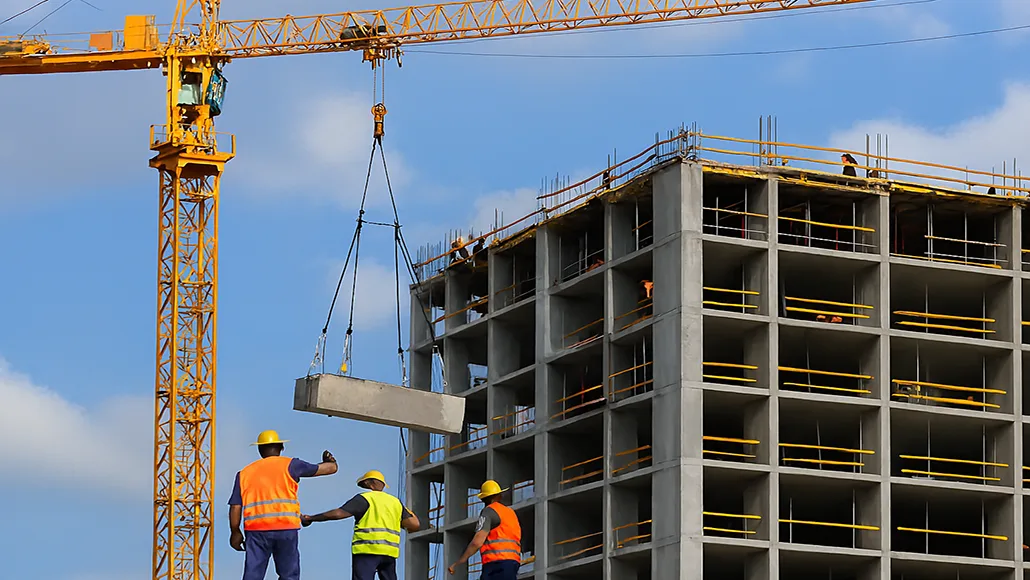
Heavy lifting is one of the most complex and high-risk aspects of construction. Structural steel sections, precast concrete panels, mechanical units, transformers, and modular components must often be lifted into place with precision, sometimes within tight windows that depend on weather, crane availability, or site access.
When rigging is treated as an afterthought, even a single lift can derail a schedule. Improper load calculations, unsuitable lifting gear, or inefficient rigging setups can cause delays, rework, or equipment damage. By contrast, advanced rigging solutions focus on eliminating uncertainty before lifting begins.
Rigging planning now begins well before materials arrive on site. Lift plans are developed in coordination with engineers, crane operators, and site supervisors to ensure that loads can be handled efficiently and safely the first time.
Planning-Driven Rigging Solutions
One of the most significant ways advanced rigging keeps projects on schedule is through proactive planning. Rigging plans consider load weight, center of gravity, lift points, sling angles, crane capacity, and site constraints.
Modern projects increasingly rely on engineered rigging systems that reduce guesswork. Lifting beams and spreader bars, for example, help distribute loads evenly and prevent side loading or excessive sling stress. By maintaining proper sling angles, these tools protect both the load and the rigging equipment, minimizing the risk of unexpected adjustments mid-lift.
Turnbuckles are another planning-driven tool that helps crews fine-tune load balance during complex lifts. When multiple pick points are involved, turnbuckles enable precise tension adjustments that keep loads level and stable. This precision reduces installation time and prevents repeated lifts caused by misalignment.
Efficiency Through Specialized Rigging Equipment
Advanced rigging solutions go beyond basic chains and hooks. Specialized tools are designed to speed installation while maintaining strict safety margins.
Wire rope slings and synthetic slings are selected based on load characteristics, environmental conditions, and handling requirements. For example, synthetic slings are often used for finished or delicate components because they reduce surface damage and are easier to handle. Wire rope slings remain essential in rugged environments and high-temperature applications where durability is critical.
Shackles are central to connecting rigging systems, and selecting the right type can significantly affect efficiency. Bolt-type shackles provide secure connections for long-term or critical lifts, while screw pin shackles enable faster setup when frequent rigging changes are required. Matching shackle capacity and configuration to the lift prevents unnecessary delays during inspection or approval.
Load monitoring devices have also become increasingly common on large construction projects. Load cells and dynamometers provide real-time feedback on tension and weight distribution, allowing crews to confirm that lifts are proceeding as planned. This visibility reduces stoppages and gives engineers confidence to proceed without extended verification pauses.
Reducing Downtime Through Safer Lifts
Safety and scheduling are closely linked. Accidents, near misses, and equipment failures almost always result in lost time. Advanced rigging solutions reduce these risks by controlling variables that commonly cause incidents.
Rigging hardware such as lifting lugs, pad eyes, and engineered attachment points ensure that loads are lifted from the designed locations rather than from improvised connections. These components are rated, tested, and aligned with engineering calculations, reducing the likelihood of failure.
Spreader bars and lifting beams also reduce the likelihood of load instability. When loads remain balanced and controlled, crane operators can move more confidently and efficiently. Fewer stops, smoother movements, and predictable behavior all contribute to faster installations.
Routine inspections and proper selection of rigging gear further support uptime. Equipment matched to the task is less likely to be removed from service due to damage or wear during the project, helping crews maintain momentum.
Supporting Modular and Prefabricated Construction
As modular construction and prefabrication become more common globally, rigging solutions have evolved to support these methods. Large modules are often assembled off-site and lifted into place as complete units, saving weeks or months of on-site work.
These lifts require advanced rigging systems capable of handling large, sometimes asymmetrical loads. Multi-point lifting systems, adjustable slings, and engineered spreader bars enable modules to be lifted safely without structural distortion. Precise rigging ensures modules align correctly upon placement, reducing installation time and eliminating costly corrections.
Without these advanced rigging solutions, achieving the promised scheduling advantages of modular construction would be difficult.
Skilled Rigging as a Project Asset
Even the best equipment cannot keep a project on schedule without skilled rigging professionals. Advanced rigging solutions rely on trained crews who understand load dynamics, equipment limitations, and site conditions.
Experienced riggers anticipate challenges before they become problems. They recognize when a lift setup can be optimized, when equipment selection should change, and when environmental factors may affect the operation. This expertise translates into fewer delays and smoother coordination with other trades.
On large projects, rigging teams often work closely with planners and engineers to sequence lifts that support overall project flow. This collaboration ensures that heavy-lifting operations advance progress rather than interrupt it.
Keeping Projects Moving Forward
In today’s construction environment, efficiency is not achieved by cutting corners. It is achieved through better planning, better tools, and better execution. Advanced rigging solutions bring these together.
By using engineered lifting beams, spreader bars, wire rope, synthetic slings, turnbuckles, shackles, and load-monitoring devices, construction teams reduce uncertainty and improve control over some of the most challenging on-site operations. Safer, more predictable lifts lead to fewer delays, reduced rework, and consistent progress.
As construction projects grow larger and more complex, the role of rigging continues to expand beyond simple lifting. Rigging has become a strategic element of project scheduling and execution. When rigging is planned and executed with precision, large construction projects are far more likely to stay on schedule and meet their delivery goals.