


























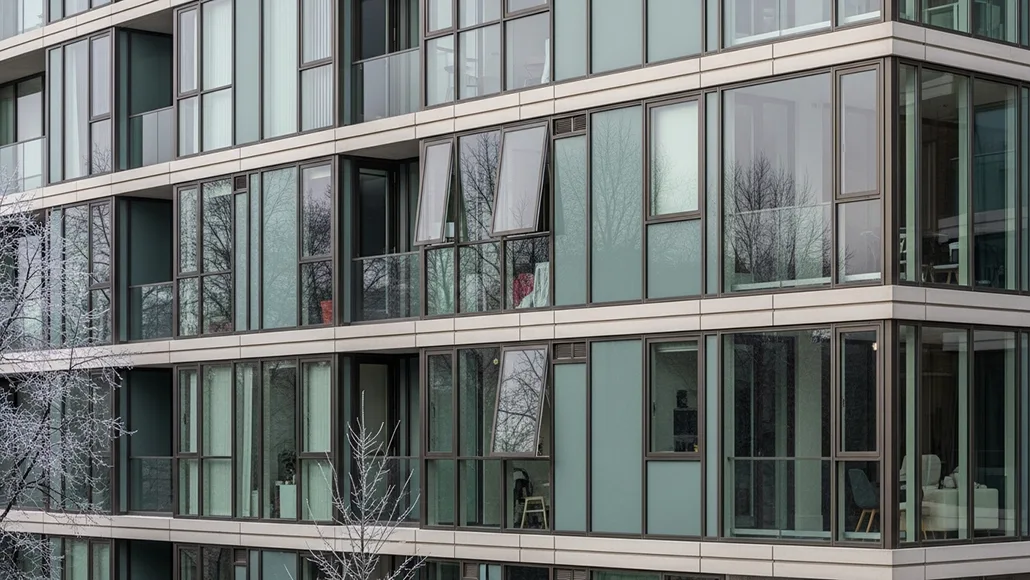


The global construction industry is currently undergoing a massive shift as governments and international bodies implement increasingly rigorous energy codes aimed at reducing the carbon footprint of the built environment. At the heart of this regulatory evolution is the building envelope, and more specifically, the windows that punctuate its surface. For many years, windows were viewed as the weakest link in a building’s thermal defense, responsible for a significant portion of heat gain in the summer and heat loss in the winter. However, the advent of high performance windows has turned this narrative on its head. These advanced systems are now essential tools for architects and developers who must navigate a complex landscape of energy performance standards while delivering projects that are both economically viable and environmentally responsible. By viewing every window not just as a view to the outside but as a highly engineered thermal barrier, we can create structures that are fundamentally more efficient and resilient.
Understanding the Evolving Landscape of Global Energy Codes
Energy codes are the legal foundation upon which sustainable architecture is built, setting the minimum standards for thermal efficiency, airtightness, and overall energy consumption. As the climate crisis intensifies, these codes are being updated with greater frequency and higher expectations. For instance, the transition from older standards to modern requirements often involves a dramatic reduction in the allowable U-value—the measure of heat transfer through a window system. High performance windows are specifically designed to meet or exceed these benchmarks, utilizing a combination of materials and technologies that were once reserved for specialized laboratory settings. Meeting these codes is not merely a matter of checking a box; it is about ensuring the building remains operational and valuable throughout its entire lifecycle. Failure to comply can lead to significant delays, financial penalties, and a building that is prematurely obsolete in a market that increasingly values green credentials.
The Technical Foundation of Insulated Glazing and Thermal Efficiency
The superior performance of these windows is achieved through a multi-layered approach to insulated glazing. Traditional single-pane or even basic double-pane windows are no longer sufficient to meet modern thermal efficiency requirements. Instead, high performance systems utilize triple or even quadruple glazing units filled with inert gases like argon or krypton, which provide much higher resistance to heat flow than ordinary air. Furthermore, the glass surfaces are treated with low-emissivity (low-E) coatings that reflect infrared radiation while allowing visible light to pass through. This allows the building to stay cool in the summer and retain heat in the winter, drastically reducing the load on HVAC systems. The frame itself is also a critical component, featuring advanced thermal breaks made from polyamide or other low-conductivity materials that prevent the frame from acting as a thermal bridge. This holistic engineering approach ensures that every part of the window contributes to the overall energy performance of the structure.
Achieving Building Compliance through Precision Engineering
Building compliance is a multifaceted challenge that requires the integration of diverse systems, and windows are often the deciding factor in whether a project passes or fails its final energy assessment. High performance windows provide the necessary margin of error for designers, allowing for larger expanses of glass without compromising the building’s overall thermal budget. This flexibility is essential for modern architecture, which often prioritizes natural light and a visual connection to the surroundings. By selecting windows with verified performance data, architects can use computational modeling to predict the building’s energy consumption with a high degree of accuracy. This data-driven approach ensures that the project meets the required construction standards from the very beginning, avoiding costly modifications or retrofits during the construction phase. Moreover, the durability of these high-performance materials ensures that the building continues to comply with energy standards for decades, providing a much higher return on investment than cheaper, lower-quality alternatives.
Beyond Energy: Acoustic Comfort and Occupant Well-being
While energy codes are the primary driver for the adoption of high performance windows, the secondary benefits are equally significant. One of the most noticeable improvements for building occupants is the enhancement of acoustic comfort. The same multi-layered glazing and tight seals that provide thermal efficiency also act as a highly effective sound barrier, blocking out the noise of busy city streets and nearby transportation hubs. This is particularly important in the context of urban densification, where living and working spaces are often located in close proximity to noise sources. Additionally, the improved thermal stability provided by these windows eliminates the drafts and cold spots that can make a space feel uncomfortable even when the thermostat is set correctly. By creating a more stable and quiet interior environment, these windows directly support the psychological well-being and productivity of the people inside, making the building a much more desirable place to inhabit.
Economic Implications of High-Performance Fenestration
From a financial perspective, the case for high performance windows is becoming stronger every year. While the initial capital expenditure may be higher than for standard windows, the long-term operational savings are undeniable. Buildings equipped with superior fenestration require significantly less energy for heating and cooling, leading to lower monthly utility bills that can quickly offset the initial investment. Furthermore, as energy prices continue to fluctuate and carbon taxes are introduced in many regions, the value of energy-efficient assets is rising. Property owners are finding that buildings with high-performance windows are easier to lease and command higher resale values. There is also the matter of insurance and financing; many lenders now offer better terms for projects that meet high sustainability standards, recognizing them as lower-risk investments. In this light, high-performance windows are not just a cost of construction; they are a strategic asset that enhances the financial resilience of the property.
The Role of Innovation in Window Performance Standards
The field of window technology is in a state of constant innovation, with new materials and manufacturing processes being developed at a rapid pace. We are seeing the emergence of vacuum-insulated glazing (VIG), which provides the thermal performance of a thick triple-pane unit in a profile as thin as a single sheet of glass. This is a game-changer for the restoration of historic buildings, where maintaining the original aesthetic is as important as improving energy efficiency. We are also seeing the integration of “smart” features directly into the glass, such as self-tinting capabilities that respond to sunlight intensity. As these technologies become more affordable and widely available, the construction standards for what constitutes a “high performance” window will continue to rise. This ongoing cycle of innovation ensures that the industry remains capable of meeting the even more ambitious energy goals of the future, paving the way for a truly net-zero built environment.
Sustainability and the Life Cycle of Window Systems
Finally, the sustainability of a window system must be evaluated over its entire lifecycle, from the extraction of raw materials to its eventual disposal or recycling. High performance windows are typically made from durable materials like aluminum, timber, or high-grade uPVC, all of which have established recycling paths. The longevity of these systems is a key part of their environmental value; a window that lasts for fifty years is far more sustainable than one that needs to be replaced after fifteen. By reducing the frequency of replacement, we can significantly lower the total embodied carbon of the building over its lifetime. Many manufacturers are also adopting more sustainable production methods, using renewable energy and recycled content to minimize the footprint of the manufacturing process itself. This holistic view of sustainability is essential for the future of the construction industry, where every material choice must be justified in terms of its long-term impact on the planet.
In conclusion, high performance windows are much more than just a means of looking outside; they are a critical component of a building’s performance and a vital tool for meeting the energy codes of today and tomorrow. By providing superior thermal efficiency, acoustic comfort, and structural durability, these systems allow us to build more responsibly and comfortably than ever before. As the regulatory environment continues to tighten and the market for green buildings grows, the importance of selecting the right window technology cannot be overstated. It is an investment in the quality of our living spaces, the efficiency of our cities, and the health of our environment. The transition toward high-performance fenestration is a clear signal that the construction industry is ready to meet the challenges of the twenty-first century with innovation, precision, and a commitment to excellence.