




















Many businesses are feeling the effects of economic uncertainty: rising interest rates, volatile material costs, and unpredictable project pipelines.
Construction firms and contractors navigating these choppy waters, the decision to acquire the necessary heavy equipment becomes a critical strategic choice. Leasing heavy construction equipment is not a new approach, but it’s one that is emerging as even more relevant in these challenging times.
Leasing equipment provides financial flexibility and operational relief in ways that that traditional purchasing often cannot match.
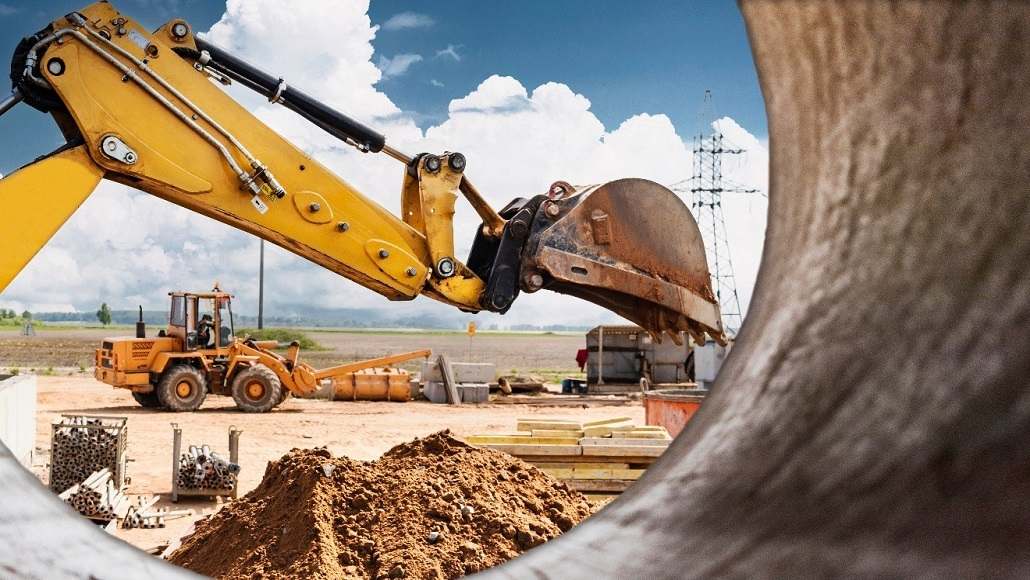
The primary and most significant advantage of leasing during an economic upheaval is the preservation of working capital. Purchasing an excavator, bulldozer, or crane requires a substantial capital outlay, often involving large down payments and consuming valuable credit lines. On the other hand, leasing a new or used excavator, truck or other piece of heavy equipment allows businesses replace this significant upfront cost with predictable, lower monthly payments. This strategy keeps cash reserves available for core operational needs like payroll, inventory, or unexpected emergency expenses. In a fragile economy, maintaining a healthy cash position is often the difference between surviving and thriving.
Beyond conserving cash, leasing offers real benefits for cash flow management and financial forecasting. Lease payments are typically fixed monthly payments. This makes it possible to predict payments in your budget, unlike the fluctuating costs of ownership, which include unpredictable maintenance, potential repairs, and the risk of obsolescence.
With leasing, companies can forecast their equipment expenses with greater confidence, allowing for more informed planning and reduced financial stress in an unstable market.
Furthermore, economic uncertainty often leads to other types of instability, just a project downsizing. In these situations, specialized equipment may only be needed for a short-term contract. Leasing provides the operational flexibility to adapt swiftly to these changing demands. Unlike a purchased asset that ties up capital and incurs depreciation regardless of usage, a lease allows a business to avoid obsolescence, scale operations, and simplify maintenance.
Avoid the risk of obsolescence
Construction technology evolves quickly. Leasing ensures access to the latest, most fuel-efficient, and technologically advanced machinery without the long-term risk of owning an asset that will soon be outdated.
Scaling operations according to seasonal needs
Some equipment, like tractors and trucks, can be used for different tasks year-round, but other types are season-specific and spent several months sitting in storage. A firm can easily acquire new equipment for a busy season and return it when business slows, avoiding the burden of storing or reselling idle machinery.
Leasing can make equipment maintenance simpler and more affordable
Many lease agreements include maintenance and servicing within the payment, transferring the responsibility and cost of upkeep away from the business—a significant benefit when margins are tight.
Ultimately, the decision to lease heavy equipment in a volatile economic climate is a strategic one rooted in risk mitigation. By moving equipment acquisition costs off the balance sheet and into manageable monthly expenses, construction firms gain the agility to secure new contracts, maintain technological competitiveness, and emerge from the downturn stronger and more financially resilient. Leasing is not merely an alternative—it is a smart, strategic necessity for sustaining business continuity when the economy is facing the type of upheaval and instability we are faced with today.