



















Close
WORLD OF CONCRETE
Friday, December 19, 2025
JEC WORLD 2026

Eco-Conscious Consumers Drive Sustainable Furniture Industry

Note* - All images used are for editorial and illustrative purposes only and may not originate from the original news provider or associated company.

Subscribe

- Never miss a story with notifications

- Gain full access to our premium content

- Browse free from any location or device.

Media Packs

Expand Your Reach With Our Customized Solutions Empowering Your Campaigns To Maximize Your Reach & Drive Real Results!

– Access the Media Pack Now

– Book a Conference Call

Leave Message for Us to Get Back

Related stories

How To Choose Trailer GPS Units That Actually Work for UK Fleets

You know the drill. A trailer van goes missing...

Improving Construction Efficiency Without Compromising Quality

Achieving construction efficiency requires process-focused improvements that enhance productivity while maintaining or improving quality standards. Through workflow optimization, enhanced coordination mechanisms, quality management practices, and strategic technology integration, construction organizations deliver projects faster and more cost-effectively without sacrificing structural integrity or compliance. Balancing speed with excellence transforms construction management from a trade-off exercise into a synergistic approach where efficiency and quality reinforce one another.

Training Strategies for Operating Advanced Construction Equipment

Modern construction equipment demands operator skills that extend far beyond basic machinery operation. Comprehensive training programs combining classroom instruction, simulator practice, and hands-on field experience prepare operators to safely and efficiently manage increasingly sophisticated equipment. Through structured certification approaches, ongoing skill development, and commitment to continuous learning, construction organizations develop operator competency that enhances project safety, productivity, and equipment longevity.
- Advertisement -
Achema Middleeast

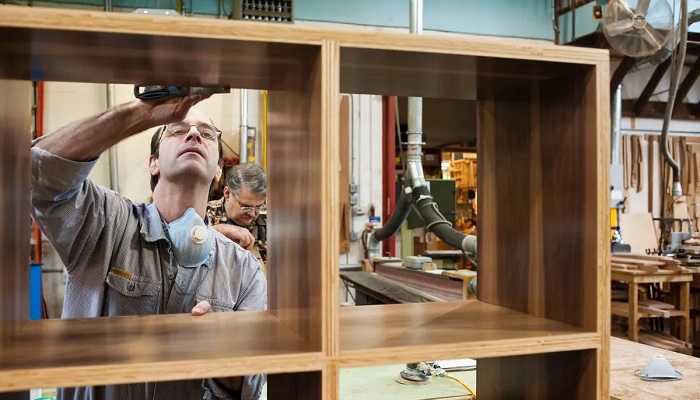
With growing environmental awareness, consumers are increasingly seeking sustainable and convenient furniture options. The furniture industry is responding by prioritizing sustainable design to reduce waste, conserve resources, and benefit the environment. Here are key considerations for integrating sustainability into your furniture design:

Choice of Materials:

Select renewable and non-toxic materials, such as natural wood, bamboo, or recycled materials. Avoid using materials that harm the environment or cannot be recycled, repaired, or restored, such as plastics or toxic chemicals. Some examples of furniture types that may not be worth manufacturing due to their non-repairable nature include particleboard furniture, mixed materials prone to damage, and cast concrete furniture with difficult-to-repair cracks and chips.

Manufacturing:

Choose manufacturers who employ sustainable practices, like recycling and waste reduction. Consider the carbon footprint of the manufacturing process and opt for manufacturers using renewable energy sources or located near the material source.

Functionality:

Design furniture with durability, longevity, and versatility in mind. Avoid trendy or disposable furniture that quickly becomes outdated or unrepairable, leading to landfill waste.

Packaging and Transportation:

Consider environmentally friendly packaging materials and low-impact transportation strategies when selecting manufacturers. Be mindful of the environmental impact of shipping furniture over long distances, and whenever possible, source materials and manufacturers locally.

Challenges to Consider:

One of the main challenges in designing sustainable furniture is finding a balance between sustainability, cost, and aesthetics. Sustainable materials and manufacturing processes can be more expensive, and there is a perception that sustainable furniture is less stylish or modern. However, this perception is changing as more designers incorporate sustainability into their designs.

To address this challenge, designers and manufacturers can focus on creating furniture that is both sustainable and aesthetically pleasing. One approach is to prioritize timeless designs that endure for many years. This can be achieved through simple, elegant designs that are versatile and functional while avoiding trends and fads that quickly go out of style. It is advisable to avoid manufacturing furniture using composite materials, plasters, concrete, or items with challenging restoration processes and unnecessary attributes like unusual colors or super glossy finishes.

Transportation is an important consideration for furniture design. Oversized furniture can create delivery challenges if it doesn’t fit through doorways or elevators. While on-site disassembly and assembly can be a solution, it can contribute to additional waste and environmental impact. To address this, designers and manufacturers can create furniture that is easily transportable and assembled. This can involve modular designs or lightweight materials. Prioritizing long-lasting styles, quality materials, and ease of transport allows designers and manufacturers to create stylish and practical furniture while minimizing waste and environmental impact, meeting the expectations of environmentally conscious consumers.

Achema Middleeast

Latest stories

Related stories

How To Choose Trailer GPS Units That Actually Work for UK Fleets

You know the drill. A trailer van goes missing...

Improving Construction Efficiency Without Compromising Quality

Achieving construction efficiency requires process-focused improvements that enhance productivity while maintaining or improving quality standards. Through workflow optimization, enhanced coordination mechanisms, quality management practices, and strategic technology integration, construction organizations deliver projects faster and more cost-effectively without sacrificing structural integrity or compliance. Balancing speed with excellence transforms construction management from a trade-off exercise into a synergistic approach where efficiency and quality reinforce one another.

Training Strategies for Operating Advanced Construction Equipment

Modern construction equipment demands operator skills that extend far beyond basic machinery operation. Comprehensive training programs combining classroom instruction, simulator practice, and hands-on field experience prepare operators to safely and efficiently manage increasingly sophisticated equipment. Through structured certification approaches, ongoing skill development, and commitment to continuous learning, construction organizations develop operator competency that enhances project safety, productivity, and equipment longevity.

Managing Material Costs in a Volatile Construction Market

Construction material price volatility presents significant challenges to project budgeting and risk management. Strategic procurement approaches, supply chain resilience strategies, and contract mechanisms that balance risk effectively enable stakeholders to navigate market fluctuations successfully. Understanding market dynamics, implementing escalation clauses, developing flexible procurement strategies, and maintaining strong supplier relationships help construction professionals maintain project viability despite unpredictable material cost movements.

Subscribe

- Never miss a story with notifications

- Gain full access to our premium content

- Browse free from any location or device.

Media Packs

Expand Your Reach With Our Customized Solutions Empowering Your Campaigns To Maximize Your Reach & Drive Real Results!

– Access the Media Pack Now

– Book a Conference Call

Leave Message for Us to Get Back

Translate »