
























Close
WORLD OF CONCRETE
Tuesday, December 30, 2025
JEC WORLD 2026

Data-Driven Decisions: How Technology is Rapidly Improving Construction Efficiency

Note* - All images used are for editorial and illustrative purposes only and may not originate from the original news provider or associated company.

Subscribe

- Never miss a story with notifications

- Gain full access to our premium content

- Browse free from any location or device.

Media Packs

Expand Your Reach With Our Customized Solutions Empowering Your Campaigns To Maximize Your Reach & Drive Real Results!

– Access the Media Pack Now

– Book a Conference Call

Leave Message for Us to Get Back

Related stories

Emerging Technologies Set to Transform Concrete and Structural Construction

Advanced technologies including self-healing concrete, 3D-printed structures, smart sensors, ultra-high-performance materials, and artificial intelligence-powered design and planning systems are poised to fundamentally reshape construction practices. These innovations promise enhanced durability, reduced waste, accelerated project delivery, improved safety, and optimized resource utilization. Understanding adoption readiness, practical implementation approaches, and realistic timelines enables construction professionals to prepare for technological transformation while maintaining focus on delivering high-quality facilities that serve stakeholders' needs.

Lifecycle Focused Construction Practices for Sustainable Infrastructure

Sustainable infrastructure development requires extending construction thinking beyond initial project completion to encompass the entire building lifecycle spanning decades of operation, maintenance, and eventual decommissioning. By integrating lifecycle cost analysis, selecting durable materials, designing for operational efficiency, planning for maintenance accessibility, and anticipating end-of-life material recovery, construction professionals create assets that deliver long-term value while minimizing environmental impact. This holistic approach transforms infrastructure from cost centers requiring perpetual maintenance into resilient assets that serve communities sustainably across generations.

Cost Optimization Strategies in Material Intensive Construction Projects

Material-intensive construction projects require comprehensive cost optimization strategies that balance budget control with quality maintenance. Through systematic planning, prefabrication techniques, lean construction principles, and strategic procurement approaches, contractors can significantly reduce project expenses while maintaining structural performance standards. Effective material efficiency combined with process optimization transforms how organizations deliver complex construction projects.
- Advertisement -
Achema Middleeast

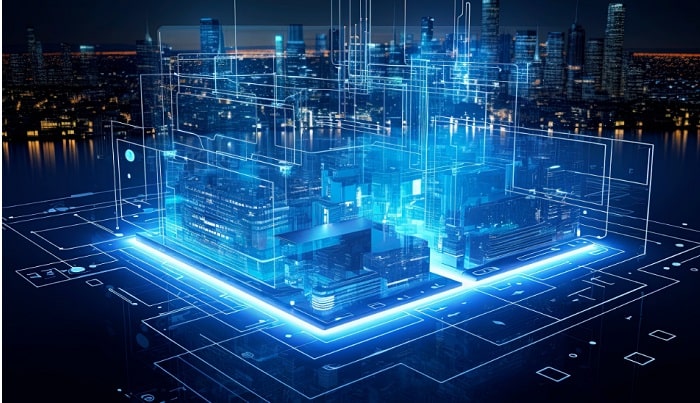
Construction firms are always looking for ways to boost efficiencies, whether that be in their head office or on-site. Technology brings a whole host of changes to construction firms and when implemented correctly provides huge cost savings for businesses.

Technology’s Growing Role in Construction

While construction still has the reputation of being a more traditional industry, technology is slowly penetrating every corner of it. From Making Tax Digital and requiring VAT returns to be submitted by software to the COVID pandemic accelerating the requirement for reporting to be digital, technology has started boosting efficiencies.

Key Technological Advancements in Construction

Construction firms have been able to take advantage of recent advancements in construction to improve their business operations and streamline their workflows. Some of the most notable advancements have been access to analytics and digital communication tools.

Real-time Data Analytics

Having access to real-time analytics tools that provide insight into the financial and operational health of a project means that construction managers are now able to work remotely and still have full visibility of what is going on across their projects.

Seamless Communication Tools

Tools like Microsoft Teams have allowed conversations to move from person to person to more group-based work, ensuring that teams aren’t siloed on projects. This can help to reduce the reliance on individuals and instead allow others to chip in to boost clear-cut communication.

How Technology is Reshaping the Construction Landscape

Technology, especially during the pandemic, allowed construction firms to continue effectively working as well as boosting social distancing requirements.

Pre-pandemic, construction firms were utilising data and technology to help increase their efficiencies as well as increasing transparency across their company. For large construction firms that have multiple sites and increased complexity, technology helps them to understand the performance of projects, as well as understand where their assets are.

Asset Management Optimisation

Assets, such as plants, people, and goods, are tricky moving parts to manage without technology. Optimising the performance and management of them is another thing altogether, which is where technology comes in. With advanced technology like ERP systems, construction project managers can understand where goods are needed, and where personnel is needed based on goods and plant availability, creating more efficiencies.

Elevated Performance Capabilities

Reporting on the performance of a construction project, especially when numerous internal and external stakeholders are concerned, is no longer a simple text message. Instead, reporting on the performance of construction projects requires elevated capabilities such as cost value reconciliation, profitability as well as how any delays or goods prices have affected the overall revenue.

The Rapidly Evolving Construction Industry

As the construction industry grows and changes, there is a need to adopt new technologies. Government legislation, such as the UK government’s new Prompt Payment changes, where not only do you need to demonstrate an effective payment program, but also need to be able to show that you are paying invoices within the agreed timeframe, requires the use of technology.

Then, there’s the increased need to demonstrate better cybersecurity capabilities. In 2022 alone, approximately 39% of construction firms across the UK said they’d experienced some form of cyber-attack and around 83% of construction businesses have experienced a phishing attempt. With nearly 80% of the construction industry not prioritising cybersecurity, having the right deterrents in place or putting controls in place to protect their data, it’s an aspect of technology within construction that still needs addressing.

Technology is the Answer to Construction Needs

Across the board, from basic compliance requirements to more complex reporting and profitability, technology provides numerous ways for construction firms to improve their business and create better efficiencies.

Achema Middleeast

Latest stories

Related stories

Emerging Technologies Set to Transform Concrete and Structural Construction

Advanced technologies including self-healing concrete, 3D-printed structures, smart sensors, ultra-high-performance materials, and artificial intelligence-powered design and planning systems are poised to fundamentally reshape construction practices. These innovations promise enhanced durability, reduced waste, accelerated project delivery, improved safety, and optimized resource utilization. Understanding adoption readiness, practical implementation approaches, and realistic timelines enables construction professionals to prepare for technological transformation while maintaining focus on delivering high-quality facilities that serve stakeholders' needs.

Lifecycle Focused Construction Practices for Sustainable Infrastructure

Sustainable infrastructure development requires extending construction thinking beyond initial project completion to encompass the entire building lifecycle spanning decades of operation, maintenance, and eventual decommissioning. By integrating lifecycle cost analysis, selecting durable materials, designing for operational efficiency, planning for maintenance accessibility, and anticipating end-of-life material recovery, construction professionals create assets that deliver long-term value while minimizing environmental impact. This holistic approach transforms infrastructure from cost centers requiring perpetual maintenance into resilient assets that serve communities sustainably across generations.

Cost Optimization Strategies in Material Intensive Construction Projects

Material-intensive construction projects require comprehensive cost optimization strategies that balance budget control with quality maintenance. Through systematic planning, prefabrication techniques, lean construction principles, and strategic procurement approaches, contractors can significantly reduce project expenses while maintaining structural performance standards. Effective material efficiency combined with process optimization transforms how organizations deliver complex construction projects.

Extending the Life of Concrete Structures Through Advanced Repair Methods

Modern concrete repair and strengthening techniques enable restoration of deteriorating structures while extending their service life significantly. Through advanced materials like epoxy injection, fiber-reinforced polymers, and innovative assessment methods, property owners can implement cost-effective rehabilitation solutions that preserve asset value, maintain structural integrity, and support sustainable construction practices.

Subscribe

- Never miss a story with notifications

- Gain full access to our premium content

- Browse free from any location or device.

Media Packs

Expand Your Reach With Our Customized Solutions Empowering Your Campaigns To Maximize Your Reach & Drive Real Results!

– Access the Media Pack Now

– Book a Conference Call

Leave Message for Us to Get Back

Translate »