





























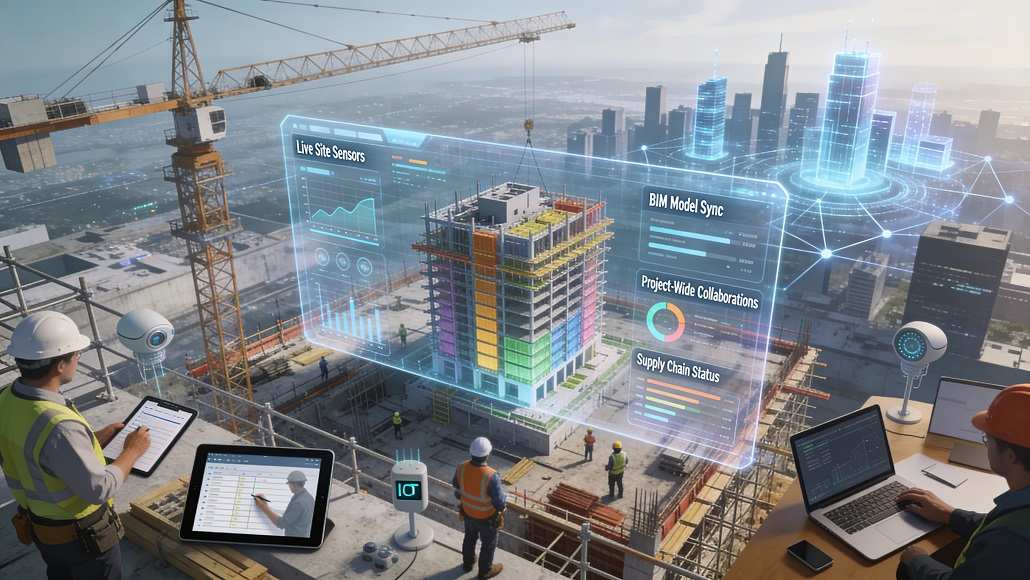

The fragmented nature of the construction industry has historically been one of its greatest challenges, leading to data silos, miscommunication, and costly rework. However, the emergence of construction data platforms for connected ecosystems is ushering in a new era of collaborative efficiency. These centralized digital environments serve as the “nervous system” for building projects, ensuring that every stakeholder from the architect and engineer to the subcontractor and facility owner has access to a single, synchronized source of truth throughout the entire project lifecycle. This unified approach moves the industry away from “islands of information” toward a “continent of connectivity,” where data is an asset that grows in value as it is shared.
The Architecture of Interoperability and Cloud Integration
At the heart of any successful implementation of construction data platforms for connected ecosystems lies the principle of interoperability. For decades, the industry struggled with software tools that could not “talk” to one another, forcing manual data entry and increasing the risk of errors. Modern platforms solve this problem by providing open APIs and standardized data formats that allow information to flow freely between BIM software, project management tools, financial systems, and IoT sensors. This cloud-based integration ensures that updates made in one part of the system are instantly reflected across all other connected components. This seamless flow is the technical backbone of a truly “connected” construction site, where the digital record is always a perfect mirror of the physical reality.
Breaking Down Silos for Better Collaboration
The primary goal of construction data platforms for connected ecosystems is to eliminate the information silos that often plague large-scale developments. In a traditional workflow, a change in a structural design might take days or even weeks to reach the electrical subcontractor on-site, leading to costly conflicts and delays. With a connected platform, that design change is updated in real-time, notifying all relevant parties and allowing for immediate coordination. This level of transparency fosters a culture of collaboration where problems are solved collectively rather than in isolation. It transforms the project from a series of adversarial handovers into a continuous, collaborative effort where every participant has the context they need to succeed.
The Role of IoT and Real-Time Site Monitoring
A key component of construction data platforms for connected ecosystems is the integration of Internet of Things (IoT) devices. Sensors placed throughout a construction site can monitor everything from crane telemetry and material moisture levels to worker health and equipment utilization. This real-time data is fed directly into the platform, providing project managers with a high-fidelity “dashboard” of the site’s activities. By combining this physical data with the digital model, the platform creates a dynamic environment where the virtual and the physical are always in sync. For example, if a sensor on a concrete slab detects that it has reached the required strength, the platform can automatically notify the next crew to begin work, drastically reducing “dwell time” between project phases.
Data Security and the “Golden Thread” of Information
As the industry moves toward more digital workflows, the security and integrity of project data become paramount. Construction data platforms for connected ecosystems provide a robust framework for managing user permissions and maintaining an immutable audit trail of every decision and modification. This concept, often referred to as the “golden thread” of information, is essential for ensuring that the final build is safe, compliant, and well-documented. Having a reliable history of the project’s data is also invaluable for future maintenance, insurance, and legal purposes. The platform ensures that the “why” behind a decision is captured just as clearly as the “what,” protecting the intellectual property and liability of all participants.
Streamlining Procurement and Supply Chain Management
The logistical complexity of a construction project involves managing hundreds of vendors and thousands of individual components. Construction data platforms for connected ecosystems can automate much of this complexity by linking the 3D model directly to procurement systems. When a design change is made, the platform can automatically update the bill of materials, check lead times with suppliers, and flag any potential shortages. This proactive approach to supply chain management reduces the risk of project delays and ensures that materials are delivered to the site exactly when they are needed. It essentially creates a “Just-In-Time” manufacturing environment for the construction site, reducing on-site storage needs and minimizing material waste.
Enhancing Quality Control Through Digital Inspections
Quality control is another area that is significantly improved by the use of construction data platforms for connected ecosystems. Instead of relying on paper-based checklists and manual inspections, field teams can use mobile devices to capture photos, record notes, and perform digital signoffs directly within the platform. This data is then instantly associated with the relevant part of the BIM model, creating a comprehensive quality record. If a defect is found, the system can automatically generate a “punch list” item and assign it to the responsible subcontractor, ensuring that nothing falls through the cracks. This digital audit trail is vital for high-stakes projects where quality compliance is not just a preference but a strict legal requirement.
Overcoming Cultural Resistance to Data Sharing
While the technical benefits are clear, the adoption of construction data platforms for connected ecosystems often faces cultural hurdles. The industry has historically been guarded with its data, with many firms fearing that transparency could lead to increased liability. However, the most progressive firms are realizing that the risk of not sharing data of making decisions based on incomplete or outdated information is far greater. Overcoming this resistance requires a shift in management philosophy toward “Open Data” standards and a focus on the shared benefits of a successful project. When everyone realizes that a “win” for the project is a win for their firm, the barriers to data sharing begin to crumble.
Executive Insights and Portfolio-Wide Analytics
For large construction firms managing multiple concurrent projects, construction data platforms for connected ecosystems provide a powerful tool for executive oversight. By aggregating data from across an entire portfolio, leadership teams can identify trends, compare project performance, and identify areas for improvement. This “big data” approach to construction management allows for more accurate benchmarking and better-informed strategic decisions. Whether it’s analyzing labor productivity or monitoring safety incidents, the platform provides the data-driven insights needed to run a more efficient and profitable business. Executives no longer have to wait for monthly reports; they can see the pulse of their entire company in real-time.
Global Standards for Data Sovereignty in Construction
As construction data platforms for connected ecosystems become more global, the issue of data sovereignty where data is stored and who has legal jurisdiction over it is becoming increasingly important. International projects must navigate a complex web of data protection laws, such as GDPR in Europe. Modern platforms are designed with these regulations in mind, offering localized data storage and sophisticated encryption to ensure that project information is both accessible and legally compliant. This global readiness is essential for firms looking to compete on the international stage, where data security is a key component of a successful bid.
Looking ahead, the role of construction data platforms for connected ecosystems will continue to expand as robotics and autonomous machinery become more common on-site. For an autonomous excavator or a brick-laying robot to function effectively, it needs a precise and up-to-date digital map of its environment. The data platform provides this map, acting as the mission control for the next generation of construction technology. By providing a reliable data infrastructure, these platforms are paving the way for a future where humans and machines work together more closely than ever before. The platform is the bridge that allows the “smart” machines to understand the “static” physical world.
Conclusion: The New Standard for Digital Excellence
In an increasingly complex and fast-paced industry, the ability to manage and share data effectively is no longer a luxury it’s a competitive necessity. Construction data platforms for connected ecosystems represent the final piece of the digital transformation puzzle, bringing together all the disparate tools and teams into a singular, high-performance unit. By investing in these platforms today, construction companies are not just improving their current projects; they are building the foundation for a more resilient, sustainable, and collaborative future for the entire built environment. The era of the “Connected Contractor” has arrived, and there is no turning back.
