





















Close
WORLD OF CONCRETE
Friday, December 26, 2025
JEC WORLD 2026

Siemens provides automation and building technology for Middle East’s biggest vertical farm

Note* - All images used are for editorial and illustrative purposes only and may not originate from the original news provider or associated company.

Subscribe

- Never miss a story with notifications

- Gain full access to our premium content

- Browse free from any location or device.

Media Packs

Expand Your Reach With Our Customized Solutions Empowering Your Campaigns To Maximize Your Reach & Drive Real Results!

– Access the Media Pack Now

– Book a Conference Call

Leave Message for Us to Get Back

Related stories

Emerging Technologies Set to Transform Concrete and Structural Construction

Advanced technologies including self-healing concrete, 3D-printed structures, smart sensors, ultra-high-performance materials, and artificial intelligence-powered design and planning systems are poised to fundamentally reshape construction practices. These innovations promise enhanced durability, reduced waste, accelerated project delivery, improved safety, and optimized resource utilization. Understanding adoption readiness, practical implementation approaches, and realistic timelines enables construction professionals to prepare for technological transformation while maintaining focus on delivering high-quality facilities that serve stakeholders' needs.

Lifecycle Focused Construction Practices for Sustainable Infrastructure

Sustainable infrastructure development requires extending construction thinking beyond initial project completion to encompass the entire building lifecycle spanning decades of operation, maintenance, and eventual decommissioning. By integrating lifecycle cost analysis, selecting durable materials, designing for operational efficiency, planning for maintenance accessibility, and anticipating end-of-life material recovery, construction professionals create assets that deliver long-term value while minimizing environmental impact. This holistic approach transforms infrastructure from cost centers requiring perpetual maintenance into resilient assets that serve communities sustainably across generations.

Improving Construction Efficiency Without Compromising Quality

Achieving construction efficiency requires process-focused improvements that enhance productivity while maintaining or improving quality standards. Through workflow optimization, enhanced coordination mechanisms, quality management practices, and strategic technology integration, construction organizations deliver projects faster and more cost-effectively without sacrificing structural integrity or compliance. Balancing speed with excellence transforms construction management from a trade-off exercise into a synergistic approach where efficiency and quality reinforce one another.
- Advertisement -

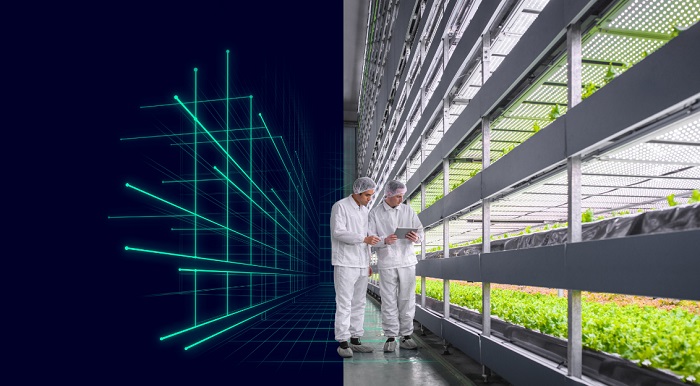
Siemens provided automation and building technology to the recently opened Bustanica vertical farm in Dubai, the world’s largest of its kind. The $40 million facility is owned by Emirates Crop One, a joint venture between Emirates Flight Catering, one of the world’s largest catering operations serving more than 100 airlines, and Crop One Holdings Inc., an industry leader in technology-driven indoor vertical farming.

Technology from the Siemens Xcelerator portfolio has been integrated throughout the farm to ensure efficient production, reduce waste, and increase the farm’s overall sustainability. Siemens Smart Infrastructure’s building management system Desigo CC controls and monitors air-conditioning and ventilation, while Siemens Digital Industries’ SIMATIC automation and control systems deliver optimal growing conditions by controlling the lights and CO2 levels required by the plants. SINAMIC series variable frequency drives along with automation stations make sure plants receive the right nutrients and water supply. SENTRON electrical components distribute power to the grow racks.

Siemens SCALANCE components create a communication network connecting these automation technologies while protecting the facility with Siemens cyber security solutions. Siemens Xcelerator is an open digital business platform that enables customers to accelerate their digital transformation easier, faster, and at scale. At its core is a curated portfolio of connected hardware and software, a powerful ecosystem of partners, and an extensive marketplace.

Bustanica’s system is designed to circulate water to the crops to maximize water usage efficiency. When the water vaporizes, it’s recovered and recycled into the system, saving 250 million liters of water per year compared to traditional outdoor farming for the same output. The 330,000 sq. ft. facility requires 95% less water than conventional agriculture, and provides an output of 1 million kgs of produce per year that are free of pesticides, herbicides and chemicals.

“We are proud to work with Emirates Crop One on a project that will transform agriculture and will allow people to eat fresher foods while reducing water consumption and transportation costs,” said Franco Atassi, CEO of Siemens Smart Infrastructure in the Middle East. “Bustanica uses smart infrastructure in its vertical farm that will allow it to sustainably scale operations and become a model for other vertical farms around the world. The infrastructure installed today will allow for the use of machine learning and artificial intelligence in future.”

Bustanica’s produce will initially be provided to airline passengers flying to and from Dubai. The company plans to sell leafy greens and other produce in local supermarkets, and because the greens are grown in a controlled environment, consumers can eat them straight out of the bag.

“Emirates Flight Catering constantly invests in the latest technologies to delight customers, optimize operations, and minimize our environmental footprint. Bustanica helps secure our supply chain, and ensures our customers can enjoy locally sourced, nutritious produce,” said Kieran Dowd, General Manager of Emirates Crop One and Vice President, Sourcing Solutions, at Emirates Flight Catering. “The technology provided by Siemens enables the facility to bring food production closer to consumers, making our operations more efficient and sustainable.”

Vertical farming facilities are up to 100 times more productive than outdoor farms because they consume 95% less water and don’t require any use of pesticides or chemicals. This method allows farmers to control light, temperature, water, and carbon dioxide levels – maximizing output and efficiency – so they can grow crops year-round and near consumers. The industry is expanding to mitigate challenges like food insecurity, limited arable land, labor shortages and to meet growing demand for pesticide-free produce.


Latest stories

Related stories

Emerging Technologies Set to Transform Concrete and Structural Construction

Advanced technologies including self-healing concrete, 3D-printed structures, smart sensors, ultra-high-performance materials, and artificial intelligence-powered design and planning systems are poised to fundamentally reshape construction practices. These innovations promise enhanced durability, reduced waste, accelerated project delivery, improved safety, and optimized resource utilization. Understanding adoption readiness, practical implementation approaches, and realistic timelines enables construction professionals to prepare for technological transformation while maintaining focus on delivering high-quality facilities that serve stakeholders' needs.

Lifecycle Focused Construction Practices for Sustainable Infrastructure

Sustainable infrastructure development requires extending construction thinking beyond initial project completion to encompass the entire building lifecycle spanning decades of operation, maintenance, and eventual decommissioning. By integrating lifecycle cost analysis, selecting durable materials, designing for operational efficiency, planning for maintenance accessibility, and anticipating end-of-life material recovery, construction professionals create assets that deliver long-term value while minimizing environmental impact. This holistic approach transforms infrastructure from cost centers requiring perpetual maintenance into resilient assets that serve communities sustainably across generations.

Improving Construction Efficiency Without Compromising Quality

Achieving construction efficiency requires process-focused improvements that enhance productivity while maintaining or improving quality standards. Through workflow optimization, enhanced coordination mechanisms, quality management practices, and strategic technology integration, construction organizations deliver projects faster and more cost-effectively without sacrificing structural integrity or compliance. Balancing speed with excellence transforms construction management from a trade-off exercise into a synergistic approach where efficiency and quality reinforce one another.

Managing Material Costs in a Volatile Construction Market

Construction material price volatility presents significant challenges to project budgeting and risk management. Strategic procurement approaches, supply chain resilience strategies, and contract mechanisms that balance risk effectively enable stakeholders to navigate market fluctuations successfully. Understanding market dynamics, implementing escalation clauses, developing flexible procurement strategies, and maintaining strong supplier relationships help construction professionals maintain project viability despite unpredictable material cost movements.

Subscribe

- Never miss a story with notifications

- Gain full access to our premium content

- Browse free from any location or device.

Media Packs

Expand Your Reach With Our Customized Solutions Empowering Your Campaigns To Maximize Your Reach & Drive Real Results!

– Access the Media Pack Now

– Book a Conference Call

Leave Message for Us to Get Back

Translate »