























/PX(i)-25 models built for productivity and low CO2 emissions.)
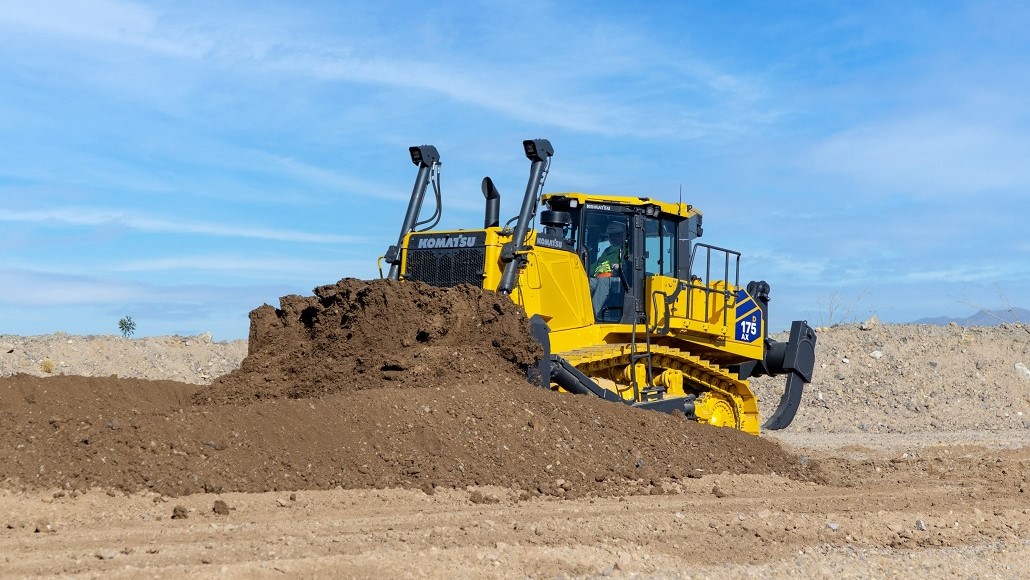
Komatsu has announced the introduction of its next-generation bulldozers, with the first machines scheduled to make their global debut at Conexpo 2026. The launch signals a new phase in the company’s dozer portfolio, combining technological improvements with design refinements shaped by extensive customer input.
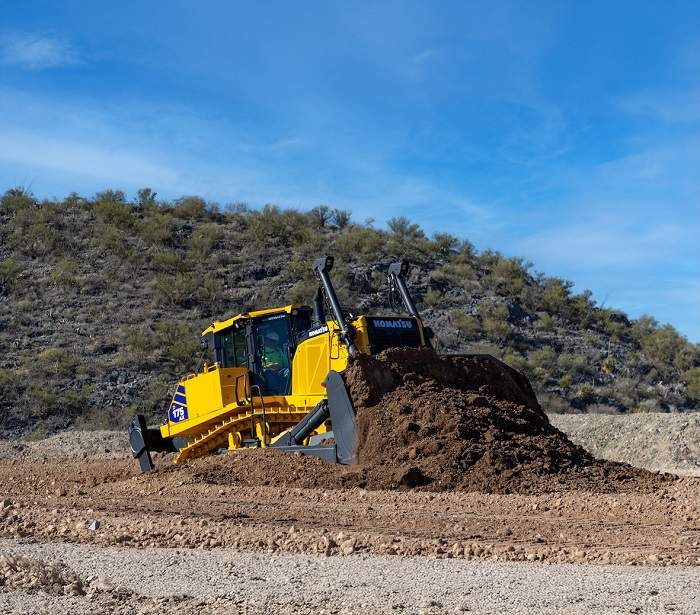
 At the forefront of this development is the all-new D175AX-10, which Komatsu positions as a new benchmark in bulldozer technology. The machine has been engineered to advance safety, efficiency, productivity and reliability across demanding work environments. According to the company, the design process incorporated feedback from Komatsu customers, whose operational experiences, challenges and insights helped shape the final product. The resulting dozer reflects the attributes of a modern machine that is intuitive to operate while delivering high levels of performance in large-scale earthmoving operations.
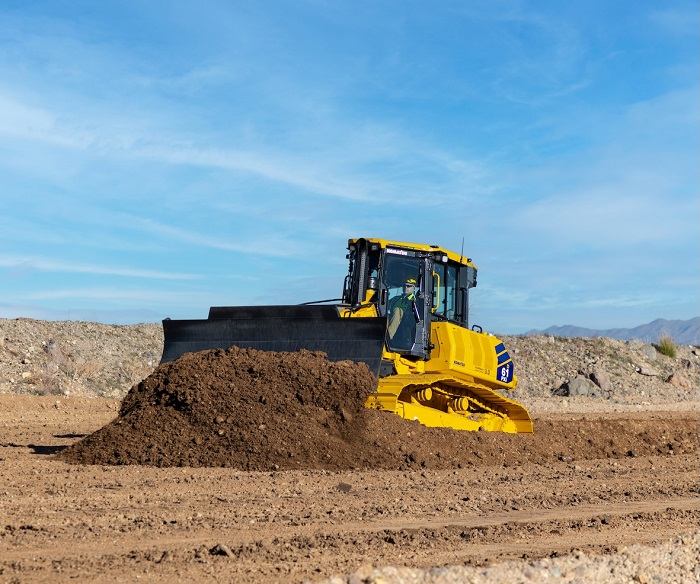
Alongside this model of next-generation bulldozers, the D61EX(i)/PX(i)-25 represents the next step in Komatsu’s hydrostatic dozer range. The machine leads the company’s latest generation of hydrostatic designs and sets the direction for additional models expected to follow. Built to combine power and versatility, the dozer is intended to deliver productivity in demanding conditions while maintaining the operational flexibility required across a variety of jobsite applications.
 Both machines incorporate a range of technological advancements aimed at improving operator performance and machine capability. Among the key features is a revolutionary operator interface and a completely redesigned 3.0 new-generation intelligent Machine Control (iMC) system. The design also places significant emphasis on the operator’s working environment, offering a workspace that prioritises comfort, ergonomics and safety while recognising the central role operators play in maintaining efficient jobsite operations.
Environmental performance also formed a major focus during development. For both models, Komatsu’s engineering teams worked to address customer sustainability requirements by reducing operational impact. As a result, the machines deliver ultra-low CO2 emissions per tonne of material produced, maintain 100% compatibility with HVO fuel, and incorporate improvements in overall fuel efficiency. These enhancements aim to support contractors seeking equipment capable of balancing productivity with increasingly important environmental considerations.
