





























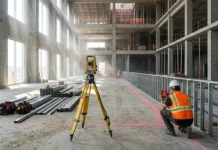

The ultimate measure of any construction project is the quality of the final product. While a project may be completed on time and under budget, it is considered a failure if it does not meet the required safety, functional, and aesthetic standards. This is where the discipline of on site quality control construction outcomes becomes paramount. Quality control is the active, systematic process of verifying that the work performed on-site matches the technical specifications and design intent. By implementing rigorous site inspection protocols and a comprehensive quality assurance construction framework, project teams can identify and rectify issues as they occur, rather than after they have been buried in the structure. This proactive approach ensures high-quality project standards and absolute compliance with building codes and regulations, providing a legacy of excellence that stands for decades.
The Strategic Importance of Real-Time Quality Verification
In a complex construction environment, the cost of an error increases exponentially the longer it remains undetected. A mistake in the placement of reinforcement steel, if not caught during a site inspection, can lead to a structural failure that costs millions to repair once the concrete has been poured. Therefore, on site quality control construction outcomes are most effective when they are integrated into the daily workflow. Real-time verification ensures that every trade is held to the same high project standards. This creates a right first time culture that not only improves the quality of the build but also drives efficiency by reducing the need for costly and time-consuming rework. For stakeholders, this level of quality assurance construction is the best guarantee of a durable and high-performing asset, ensuring that the final structure is as reliable as it is beautiful.
Proactive vs. Reactive Quality Management
The core of on site quality control construction outcomes lies in the shift from reactive to proactive management. Traditional site inspection often occurred only after a task was completed, leading to a find and fix mentality. Modern quality assurance construction, however, focuses on preventing the defect from occurring in the first place. This involves first-of-kind inspections, where the first installation of a repetitive task such as a specific window type or a segment of piping is scrutinized to ensure the method is correct. By establishing the project standards early, the team prevents the propagation of errors across the entire build. This proactive stance is the most effective way to ensure consistent construction outcomes and maintain a high level of compliance throughout the project’s duration, protecting both the developer’s investment and the public’s safety.
The Role of Pre-Construction Meetings and Sample Approval
Before any major trade begins work, on site quality control construction outcomes are supported by detailed pre-construction meetings. These sessions bring together the architect, the engineer, and the subcontractor to review the specific quality assurance construction requirements. They discuss the project standards, the expected tolerances, and the specific site inspection procedures that will be used. Furthermore, the use of mock-ups or samples which are physical examples of the finished work provides a tangible benchmark for the entire team. Once a mock-up is approved, it serves as the definitive reference for compliance. This level of clarity eliminates the ambiguity that often leads to quality disputes and ensures that everyone is aligned on the final construction outcomes before the physical work begins in earnest.
Implementing Comprehensive Quality Assurance Construction Frameworks
A successful quality program is built on a robust quality assurance construction framework. This involves the creation of clear Inspection and Test Plans (ITPs) that define exactly what needs to be checked, when, and by whom. These plans cover everything from the moisture content of the soil before the foundation is laid to the pull-test strength of facade anchors. On site quality control construction outcomes depend on the clarity of these benchmarks. By providing installers and inspectors with unambiguous project standards and checklists, the management team ensures that nothing is left to interpretation. This structured approach to site inspection fosters a level of consistency that is essential for managing the diverse trades and materials involved in a major construction project, ensuring that every element meets the required compliance levels and that the final build is a cohesive and reliable whole.
The Science of Materials Testing and Field Verification
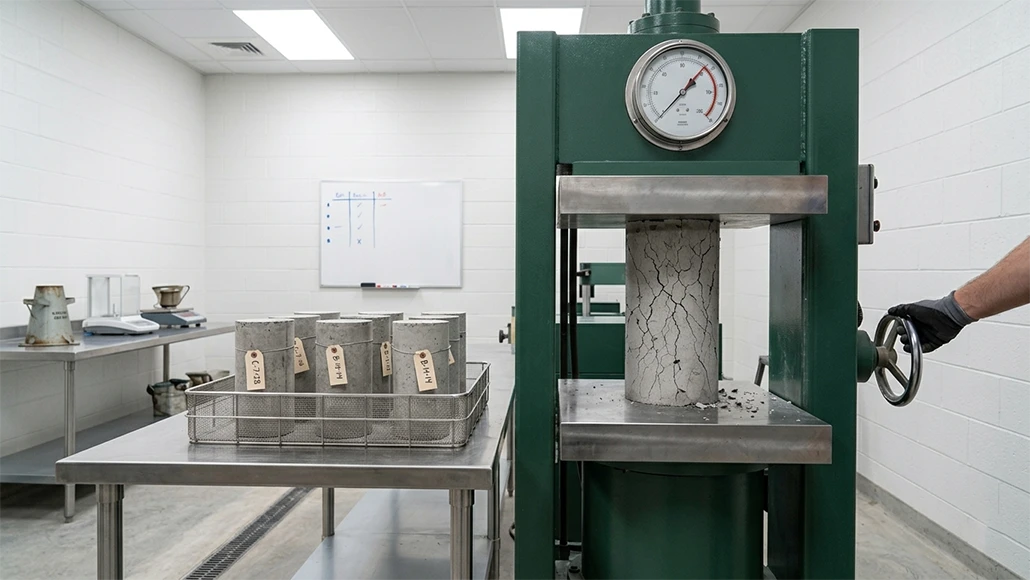
A critical component of on site quality control construction outcomes is the rigorous testing of materials. This goes beyond just checking certificates it involves field verification through specialized tests. For example, concrete must be tested for slump and compressive strength, while welds must undergo non-destructive testing (NDT) such as ultrasonic or radiographic inspection. These technical site inspection processes provide objective data that the quality assurance construction standards are being met. By utilizing independent testing laboratories, the project ensures an unbiased assessment of compliance. This data-driven approach to project standards is the only way to guarantee the long-term structural integrity of the build, providing a verifiable record that the final construction outcomes are backed by solid engineering evidence.
Developing Robust Inspection and Test Plans (ITPs)
The ITP is the operational heart of on site quality control construction outcomes. Each ITP outlines the hold points and witness points specific stages in the work where an inspection must occur before the project can proceed. For instance, a witness point might be the pressure testing of plumbing, while a hold point might be the inspection of formwork before a concrete pour. This structured quality assurance construction method ensures that no critical work is covered up before it has been verified for compliance. By documenting every site inspection in the ITP, the project creates a comprehensive audit trail that is essential for final certification and building handover. This meticulous attention to detail is what ensures high-quality project standards and prevents the latent defects that can plague a building for years.
The Role of Digital Technology in Site Inspection and Compliance
The digital revolution is transforming the way we perform on site quality control construction outcomes. The use of mobile applications and tablets on-site allows for instantaneous reporting and documentation. When an inspector identifies an issue during a site inspection, they can capture a photograph, annotate it, and assign a rectification task to the responsible trade immediately. This real-time quality assurance construction platform ensures that defects are tracked and closed out systematically. Furthermore, the use of laser scanning and photogrammetry can create a point cloud of the as-built structure, which can be overlaid on the original BIM model to identify even the slightest deviations from the design. These high-tech project standards are redefining the meaning of precision in the construction industry and ensuring that compliance is a measurable reality rather than an abstract goal.
BIM Integration and the Digital Quality Thread
The integration of quality data into the Building Information Model (BIM) is a major leap forward for on site quality control construction outcomes. This creates a digital quality thread where every inspection record and test result is linked to the specific 3D component in the model. During a site inspection, an inspector can click on a virtual column and see exactly when it was poured, which batch of concrete was used, and who approved the reinforcement. This level of quality assurance construction provides unparalleled transparency and accountability. It also ensures that the as-built data is accurate and complete, which is a key requirement for modern compliance and future facility management. By turning quality data into a visual asset, project managers can more effectively monitor construction outcomes and ensure the building meets all its technical project standards.
Using Drones and AI for Automated Site Inspection
The next frontier for on-site quality control construction outcomes is the use of drones and Artificial Intelligence (AI). Drones can perform high-resolution aerial site inspections of roofs, facades, and large infrastructure projects that are difficult or dangerous for humans to reach. AI algorithms can then analyze these images to identify cracks, corrosion, or misaligned components with a speed and accuracy that far exceeds human capability. This automated quality assurance construction approach allows for more frequent and comprehensive checks, ensuring that no detail is overlooked. By integrating these advanced project standards into the daily routine, firms can achieve a level of compliance that drastically improves the final construction outcomes. It is a shift toward a world where the building itself, through its digital twin, can report on its own quality and health.
Fostering a Culture of Quality and Professional Accountability
While checklists and technology are vital, the most effective on site quality control construction outcomes are achieved through a culture of shared responsibility. Every person on a construction site, from the project director to the junior apprentice, must understand that quality is their job. This culture of professional accountability is built through regular training and clear communication of the project standards. When workers take pride in their craft and understand the importance of quality assurance construction, the frequency of defects naturally decreases. Managers can support this by rewarding high-quality work and treating site inspection not as a policing action but as a collaborative effort to ensure the best possible results for the client and the community. This human-centric approach is the ultimate guarantee of superior construction outcomes.
Managing Subcontractor Performance and Compliance Systems
On large projects, much of the work is performed by specialized subcontractors. Ensuring consistent on site quality control construction outcomes across multiple different firms is a significant management challenge. This requires a rigorous pre-qualification process and clear contractual requirements regarding quality assurance construction. Subcontractors must be required to submit their own quality plans and demonstrate their commitment to the project standards. Regular audits and performance reviews ensure that these firms are maintaining the required levels of compliance and that their site inspection processes are functioning correctly. By holding all partners to the same high standards, the lead contractor can ensure a seamless and high-quality construction outcome across every phase of the project, turning the diverse workforce into a unified engine of excellence.
The Long-Term Economic Value of Superior Construction Quality
The business case for on site quality control construction outcomes is clear. High-quality construction reduces the owner’s risk of future litigation, lowers insurance premiums, and minimizes the long-term costs of maintenance and repairs. A building that is built to the highest project standards will retain its value and remain functional for much longer than one where quality was sacrificed for short-term speed. Furthermore, the reputation gained from delivering high-quality projects is the most valuable asset a construction firm can possess. Clients are increasingly looking for partners who can demonstrate a robust quality assurance construction record and a commitment to compliance. In this context, quality control is not a cost center but a strategic investment that drives long-term growth and success, ensuring that the final construction outcomes are as financially sound as they are structurally secure.
Conclusion: Quality as the Definitive construction Standard
In conclusion, on site quality control construction outcomes are the definitive mark of a professional and successful building project. By moving beyond reactive inspections toward a proactive, integrated, and technology-driven quality assurance construction environment, the industry can deliver structures that are safer, more durable, and more efficient. These high project standards are essential for maintaining public trust and ensuring that our built environment meets the complex needs of the 21st century. Ultimately, the commitment to meticulous site inspection and absolute compliance is what separates an ordinary building from a lasting architectural achievement, providing a legacy of excellence that will stand for decades to come. Quality is not just a stage in the process it is the soul of the building, and ensuring its perfection is the highest calling of the modern construction professional.
