





























The global construction industry is currently undergoing a profound transformation as it moves away from fragmented, paper-based workflows toward integrated, data-driven ecosystems. At the heart of this shift is the concept of material traceability in construction supply chains, a methodology that ensures every physical component of a building from the raw steel in its frame to the specialized coatings on its facade can be tracked from its point of origin to its final installation. In an era where building complexity is increasing and regulatory scrutiny is tightening, the ability to verify the provenance and quality of materials is no longer a luxury but a fundamental requirement for risk mitigation and structural integrity. By leveraging advanced material tracking systems and construction supply chain management strategies, stakeholders can achieve a level of transparency that was previously impossible. This evolution is not merely about digitizing paperwork it is about creating a robust, verifiable chain of custody that protects investors, builders, and future occupants alike.
The Strategic Importance of Transparency in Modern Logistics
The primary driver behind the adoption of material traceability in construction supply chains is the need for absolute transparency. A modern construction project involves thousands of individual components sourced from a global network of suppliers. Without a robust tracking mechanism, the risk of using substandard or counterfeit materials increases significantly, which can lead to catastrophic structural failures or costly legal disputes. Transparency allows for real-time visibility into the movement of goods, enabling project managers to identify bottlenecks, anticipate delays, and ensure that only materials meeting the specified technical standards enter the site. This clarity is essential for effective building materials logistics, where the timing of arrivals must be perfectly synchronized with the construction schedule to maintain productivity. In a market where margins are thin and the cost of delay is high, the data provided by traceability systems serves as a critical buffer against the unpredictability of global trade.
Historical Challenges and the Evolution of Oversight
Historically, the construction sector relied on manual documentation and trust-based relationships with suppliers. While this worked for simpler structures, the sheer scale and technical requirements of 21st-century projects have made these old methods obsolete. Often, by the time a material reached a job site, its original documentation was incomplete or disconnected from the physical item. Material traceability in construction supply chains solves this by creating a digital thread that follows the material from the raw resource stage, through manufacturing and fabrication, to the final site. This historical shift is driven by a series of high-profile industry failures where the inability to trace faulty components led to prolonged litigation and massive remediation costs. By looking back at these failures, the industry has recognized that proactive tracking is far more cost-effective than reactive correction.
Digital Twins and the Integration of Physical and Virtual Assets
One of the most powerful applications of material traceability in construction supply chains is its integration with Building Information Modeling (BIM) and Digital Twin technology. When a material tracking system is linked to a virtual model, every physical component has a digital counterpart. This allows project managers to see the status of the supply chain in 3D. They can visualize which steel beams are in transit, which facade panels are being manufactured, and which electrical components are currently being installed. This synergy between physical building materials logistics and virtual management tools provides a level of oversight that prevents the installation of incorrect or unverified parts. It also ensures that the as-built model of the building is a perfect reflection of the physical reality, which is invaluable for the long-term management of the facility.
Enhancing Quality Assurance and Reducing Structural Risk
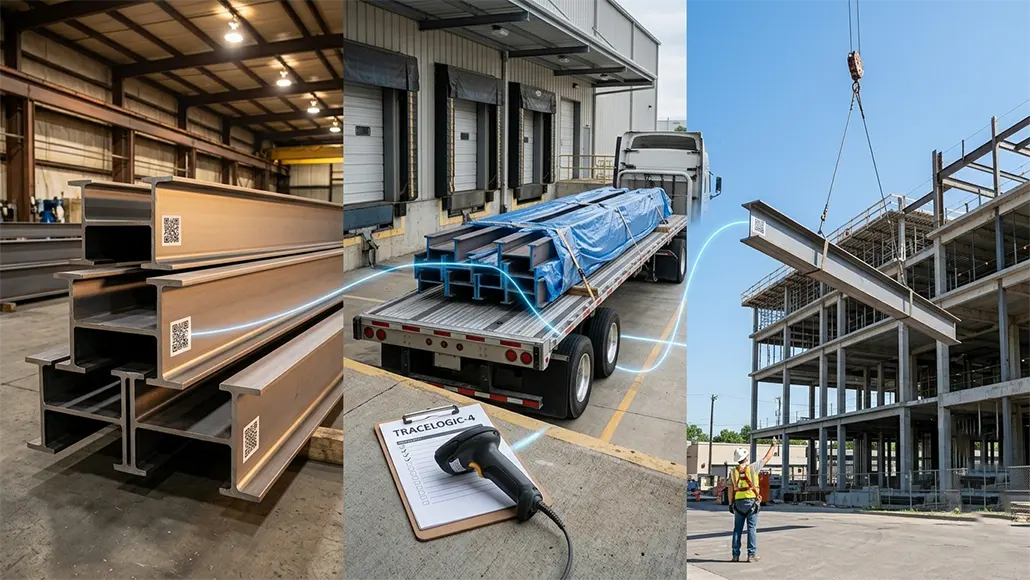
Quality assurance is the second pillar of material traceability in construction supply chains. When every material is assigned a unique digital identity often through RFID tags, QR codes, or blockchain-based ledgers it becomes possible to link physical items with their respective mill certificates, test reports, and compliance documentation. This digital thread ensures that the specific properties of a material, such as the yield strength of a steel beam or the fire rating of an insulation panel, are verified at every handover point. By utilizing integrated compliance systems, contractors can automate the verification process, reducing the human error associated with manual paperwork and ensuring that the final structure is built exactly as engineered, thereby protecting both public safety and the developer’s reputation. The ability to instantly pull up the test results of a specific batch of concrete or a specific shipment of rebar provides a level of confidence that traditional spot-checking can never achieve.
The Role of Third-Party Verification and Certifying Bodies
For material traceability in construction supply chains to be effective, there must be a consensus on standards and verification. This is where third-party certifying bodies play a crucial role. These organizations audit the material tracking systems used by manufacturers and suppliers to ensure that the data being entered is accurate and untampered. In many jurisdictions, compliance systems now require that certain safety-critical materials come with a certified chain of custody. This external oversight ensures that the benefits of traceability are not undermined by poor data quality or fraudulent entries. It also creates a level playing field where reputable suppliers who invest in quality can be easily distinguished from those who cut corners, further driving the industry toward higher standards of construction supply chain management.
Risk Mitigation in High-Complexity Projects
High-complexity projects, such as nuclear power plants, skyscrapers, or large-scale infrastructure, face unique risks that demand the highest levels of material traceability in construction supply chains. In these environments, the failure of even a minor component can have catastrophic consequences. Traceability allows for a surgical approach to risk management. If a manufacturer discovers a defect in a specific run of bolts or a particular alloy, the construction supply chain management system can immediately identify every project where those specific items were sent. Instead of pausing an entire project or replacing thousands of components, builders can replace only the affected items. This precision in building materials logistics saves millions of dollars and prevents unnecessary delays, while ensuring that the structural integrity of the project is never compromised.
Regulatory Compliance and the Shift Toward Digital Passports
Governments and international standards bodies are increasingly mandating stricter documentation for construction materials. Material traceability in construction supply chains is the most effective way to meet these evolving regulatory requirements. The concept of building passports is gaining traction, where a digital record of all materials used in a structure is handed over to the owner upon completion. This record is invaluable for future maintenance, renovations, and eventual decommissioning. By maintaining comprehensive material tracking systems throughout the construction phase, firms can easily demonstrate compliance with environmental regulations, safety codes, and ethical sourcing standards, ensuring that their projects remain viable and insurable in an increasingly regulated global market. These passports will eventually become a standard requirement for building sales and financing, as they provide a transparent audit trail of the building’s physical health.
Addressing Ethical Sourcing and Environmental Impact
Beyond technical specifications, material traceability in construction supply chains is a vital tool for verifying the ethical and environmental credentials of building materials. Modern stakeholders are no longer just interested in the strength of a material they want to know its carbon footprint and whether it was sourced responsibly. Traceability systems can track the carbon emissions associated with the production and transport of each material, allowing for more accurate Life Cycle Assessments (LCAs). Furthermore, it prevents the use of materials from conflict zones or those produced through unethical labor practices. By integrating these values into construction supply chain management, the industry can meet its Environmental, Social, and Governance (ESG) goals and respond to the growing demand for sustainable urban development.
The Impact on Insurance and Financial Valuation
The financial sector is also taking notice of the benefits provided by material traceability in construction supply chains. Insurance companies are beginning to offer lower premiums for projects that can demonstrate a comprehensive, verifiable supply chain. This is because the risk of latent defects problems that appear years after completion is significantly reduced when the provenance of all materials is known. Similarly, lenders and investors view buildings with digital passports as more stable and lower-risk assets. The transparency provided by building materials logistics data increases the liquidity of the building, making it easier to sell or refinance. In this way, traceability is not just a technical requirement but a financial strategy that enhances the long-term value of the built environment.
Economic Efficiency and Waste Reduction Through Tracking
Beyond safety and compliance, the implementation of material traceability in construction supply chains offers significant economic benefits. Construction supply chain management is historically plagued by inefficiencies, including over-ordering, loss of materials on-site, and the high cost of rework due to the use of incorrect components. Traceability systems allow for precise inventory management, ensuring that the right amount of material is delivered at exactly the right time. This just-in-time approach to building materials logistics minimizes the need for on-site storage and reduces the likelihood of material degradation or theft. Furthermore, if a defect is discovered in a specific batch of materials, traceability allows for targeted recalls rather than the wholesale replacement of installed components, saving millions in potential rework costs.
Streamlining the Procurement and Payment Process
Material traceability in construction supply chains also has the potential to revolutionize the financial side of the industry. By linking material tracking systems with automated payment platforms, firms can streamline the invoicing and payment process. For example, when an IoT sensor confirms that a shipment of steel has arrived on-site and its QR code has been verified, a smart contract could automatically trigger a payment to the supplier. This reduces the administrative burden on construction supply chain management and improves the cash flow of all participants. It also reduces disputes over whether materials were delivered or whether they met the required specifications, as the data provides an objective, immutable record of the transaction.
Supporting Sustainability and Circular Economy Initiatives
As the construction industry seeks to reduce its environmental impact, material traceability in construction supply chains is becoming a key enabler of the circular economy. To recycle or reuse building components at the end of their life, it is essential to know exactly what they are made of and how they were treated. Digital material tracking systems allow for the identification of recyclable metals, reusable structural elements, and hazardous substances that require specialized disposal. By providing this information in a building passport, traceability ensures that the value of materials is preserved even after a building is demolished. This approach to construction supply chain management aligns with global sustainability goals, turning buildings into material banks that support future generations of urban development and reducing the industry’s reliance on virgin resources.
Conclusion: The New Standard for Construction Excellence
In conclusion, the adoption of material traceability in construction supply chains represents a new standard for excellence in the built environment. It is a multi-faceted approach that combines the precision of material tracking systems with the strategic foresight of construction supply chain management and building materials logistics. By ensuring that every component is accounted for and verified, the industry can build structures that are safer, more efficient, and more sustainable. As technology continues to lower the barriers to implementation, traceability will become the backbone of all major construction projects, providing the transparency and trust required to navigate the complexities of the 21st-century construction landscape and ensuring a resilient future for our global infrastructure. The shift is already underway, and those who embrace these systems today will lead the industry into a more transparent and reliable future.
