


























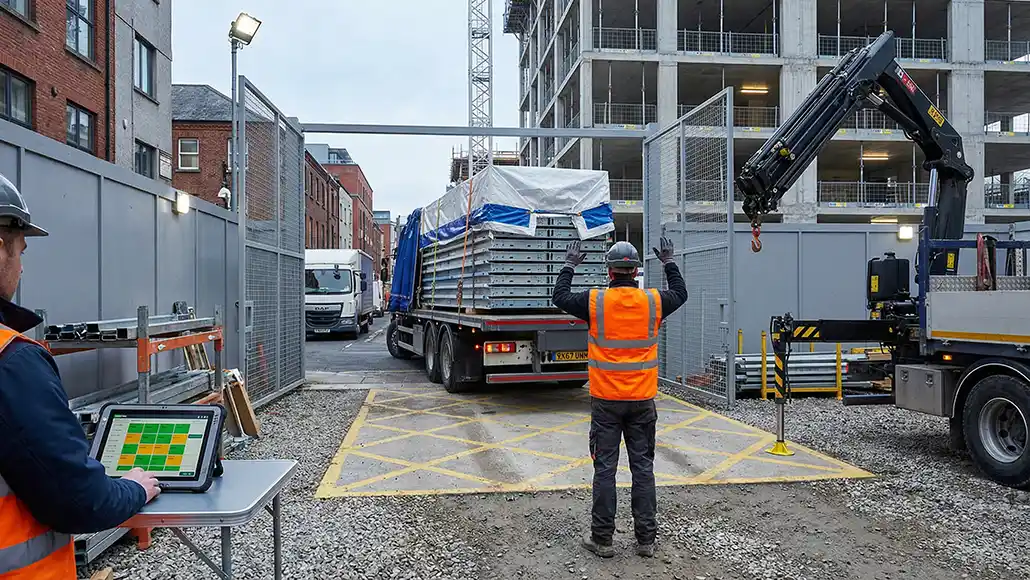

In the high-intensity world of modern development, the physical site is often the most constrained resource. As buildings reach higher and sites become more densely packed in urban centers, the ability to move materials, equipment, and personnel efficiently becomes the defining factor of success. Construction logistics planning project timelines is the discipline of managing this complex dance of movement, ensuring that the right resources arrive at the right place at exactly the right time. By treating the construction site as a high-precision logistics hub, project managers can drastically improve construction efficiency and ensure that project scheduling remains on track. Effective site planning and material transport strategies are the invisible engines that drive the timely delivery of our most ambitious architectural projects, turning logistical chaos into a streamlined and predictable workflow.
The fundamental pillars of site planning and material flow
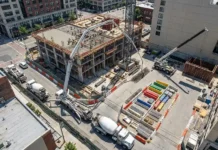
The foundation of construction logistics planning project timelines is a comprehensive site logistics plan. This plan must account for every square inch of the construction footprint, identifying zones for material storage, crane locations, and vehicle access points. In a constrained environment, the traditional “stockpile” method of material management is no longer viable. Instead, logistics planners must implement a “Just-in-Time” (JIT) delivery model, where materials are transported directly to the point of installation. This approach to material transport reduces the need for double-handling and minimizes the clutter that can lead to safety hazards and site congestion. By optimizing the flow of goods into and out of the site, planners can ensure that construction efficiency is maintained at every stage of the build, preventing the “bottlenecks” that frequently derail project scheduling and inflate the final project cost.
Dynamic Site Zoning and the Adaptive Logistics Plan
A truly professional approach to construction logistics planning project timelines recognizes that the site is a dynamic entity that changes every day. As the building grows, the available space for site planning shifts. Therefore, the logistics plan must be adaptive. Dynamic site zoning involves re-evaluating the site layout for each phase of construction from excavation and foundation to topping out and fit-out. This ensure that material transport is always optimized for the current physical constraints. For example, as the facade panels arrive, the laydown area previously used for rebar must be repurposed efficiently. This level of foresight in construction efficiency prevents the site from becoming “landlocked” and ensures that the project scheduling remains agile, responding to the physical reality of the build in real-time.
Consolidating Material Deliveries to Minimize Site Disruption
One of the most effective strategies in construction logistics planning project timelines is the use of consolidation centers. By receiving small, fragmented deliveries at an off-site warehouse, logistics managers can combine them into a single, full-truckload delivery for the site. This reduces the number of material transport vehicles entering the congested urban environment and significantly simplifies the site planning process. Fewer vehicles mean less time spent on security checks and unloading, which directly translates into higher construction efficiency. This consolidated approach also allows for better quality control, as materials can be inspected and verified before they ever reach the job site. It is a hallmark of sophisticated project scheduling, where the focus is on reducing the “friction” of the supply chain to protect the final project timelines.
Coordinating Vertical and Horizontal Material Transport
The vertical nature of modern construction presents a unique logistical challenge. Once materials arrive at the site, they must be moved horizontally to the hoisting area and then vertically to the active construction floor. Construction logistics planning project timelines must therefore include a detailed strategy for crane and hoist utilization. These “vertical highways” are the lifeblood of the project any downtime or inefficiency here will immediately ripple through the entire project scheduling. By coordinating the delivery schedule with the crane capacity, logistics managers can prevent bottlenecks and ensure that trades are never left waiting for materials. This level of coordination is essential for maintaining the momentum of the build and ensuring that project timelines are consistently met, requiring a deep integration of logistics with the core construction efficiency goals.
Hoist Optimization and the Science of Vertical Throughput
To maximize construction efficiency, logistics planners must treat the site hoists with the same precision as a metropolitan elevator system. Construction logistics planning project timelines include calculating the “cycle time” for each hoist the time it takes to load, travel to the target floor, unload, and return. By analyzing these times, managers can create a “hoist schedule” that prioritizes the movement of materials during off-peak hours and reserved times for personnel during shift changes. This level of site planning ensures that the “vertical throughput” is always at its peak. When material transport is perfectly synced with the hoisting capacity, the construction workflow remains steady, preventing the “standing time” that is a primary drain on project scheduling and overall site productivity.
Integrating 4D BIM into Vertical Logistics Planning
Modern construction logistics planning project timelines are increasingly utilizing 4D BIM to visualize the movement of materials through the vertical space. By simulating the crane paths and hoist locations within the digital model, logistics managers can identify potential “clashes” between the moving parts and the growing structure. This predictive site planning allows for the optimization of material transport paths long before they are needed. For example, the model can show whether a specific oversized component will fit through the planned openings on the 30th floor. This data-driven approach ensures that construction efficiency is not compromised by physical constraints that could have been identified earlier. It turns project scheduling into a visual, verifiable process that guarantees the project timelines are backed by physical reality.
Managing the “Last Mile” of Construction Logistics in Urban Areas
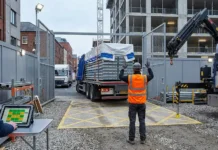
The most complex part of construction logistics planning project timelines often occurs outside the site gates. The “last mile” of delivery in a busy city requires meticulous coordination with local authorities to manage traffic flow and minimize disruption to the public. Logistics planners utilize holding yards off-site consolidation centers to buffer deliveries and ensure that vehicles only arrive at the site when they can be immediately unloaded. This strategy for material transport is critical for maintaining construction efficiency in congested environments. By using advanced software to track vehicles in real-time, project teams can dynamically adjust the site planning to account for traffic delays, ensuring that the supply chain remains resilient and that project timelines are protected from external volatility, which is essential for professional project scheduling.
Traffic Management and Community Impact Mitigation
Effective construction logistics planning project timelines must also address the project’s impact on its neighbors. A site that creates constant traffic jams will eventually face regulatory hurdles and community backlash. Logistics managers use traffic modeling software to predict the impact of material transport on local roads and schedule deliveries during off-peak hours to minimize disruption. This proactive site planning is a key component of construction efficiency, as it prevents the project from being halted by city officials due to noise or congestion complaints. By being a “good neighbor,” the project ensures a smoother path to completion, protecting the project scheduling and ensuring that the project timelines are achieved without unnecessary external friction.
The Use of Real-Time GPS Tracking and Geo-Fencing
The implementation of GPS tracking and geo-fencing technology is a game-changer for construction logistics planning project timelines. By creating a digital “geo-fence” around the site and its holding yards, managers can receive automatic alerts when a material transport vehicle is approaching. This allows the site team to prepare the unloading area and clear the access route at exactly the right moment. This level of precision in site planning eliminates the time wasted by trucks circling the block or waiting at the gate, which is a major contributor to construction efficiency. The data gathered from these systems also provides a verifiable record of delivery times, which is invaluable for refining project scheduling and ensuring that future project timelines are based on accurate, real-world performance metrics.
Conclusion: Logistics as the Backbone of Timely Project Delivery
In conclusion, construction logistics planning project timelines is the backbone of any successful large-scale development. By masterfully coordinating material transport, site planning, and resource allocation, logistics managers ensure that the complex machinery of a construction project runs without friction. The transition to data-driven, Just-in-Time logistics is not just about moving boxes it is about creating a high-performance environment where construction efficiency is the default state. As projects continue to grow in complexity and sites become more constrained, the role of the logistics planner will only become more critical. Ultimately, the ability to plan and execute a flawless logistics strategy is what allows us to transform architectural visions into physical realities, on time and with absolute precision, ensuring that the project scheduling remains a promise that can be kept.
