












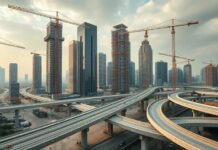


As the world’s population continues to migrate toward urban centers, the demand for new buildings, roads, and utilities is reaching unprecedented levels. However, this expansion is occurring against a backdrop of increasing environmental instability, characterized by more frequent heatwaves, severe flooding, and intense storms. In this context, the integration of climate resilient infrastructure materials for urban growth is not merely an engineering choice but a social and economic necessity. The resilience of a city is fundamentally determined by the durability of the materials used in its construction. By prioritizing climate resilient construction and investing in advanced resilient infrastructure materials, urban planners and developers can ensure that the cities of tomorrow are capable of thriving despite the challenges posed by a changing climate. This proactive approach to material selection is the cornerstone of building cities that are not only vast and vibrant but also enduring and secure for all who inhabit them.
The Strategic Role of Materials in Urban Heat Mitigation
One of the most pressing issues facing rapidly growing cities is the urban heat island effect, where concentrated concrete and asphalt absorb solar radiation and raise local temperatures. Traditional construction materials contribute significantly to this phenomenon, leading to increased energy consumption for cooling and negative health outcomes for residents. Climate resilient infrastructure materials for urban growth address this through the use of “cool” materials such as high-albedo coatings and light-colored pavements that reflect a greater portion of solar energy back into the atmosphere. By incorporating these resilient infrastructure materials into sustainable urban development plans, cities can lower ambient temperatures by several degrees, enhancing construction durability and improving the quality of life for millions of urban dwellers. This reduction in heat stress not only saves lives during extreme weather but also drastically reduces the strain on the energy grid during peak periods, creating a more stable and efficient urban environment.
The Science of Reflective Surfaces and Thermal Mass
To understand the efficacy of climate resilient infrastructure materials for urban growth, one must look at the physics of solar reflectance and thermal emissivity. Traditional dark surfaces have low reflectance, meaning they absorb up to 90% of the sun’s heat. In contrast, “cool” resilient infrastructure materials are engineered to have high reflectance and high thermal emittance, allowing them to stay significantly cooler under direct sunlight. Beyond just coatings, the use of phase-change materials (PCMs) integrated into walls and roofs allows for better thermal management. These climate resilient construction solutions absorb heat during the day and release it slowly at night, smoothing out temperature spikes. This sophisticated management of thermal mass is a key component of sustainable urban development, ensuring that buildings require less artificial cooling and contribute less to the overall heating of the urban microclimate.
Phase Change Materials and Adaptive Building Envelopes
The integration of phase-change materials (PCMs) into the building envelope represents the cutting edge of climate resilient infrastructure materials for urban growth. These substances can absorb and release large amounts of energy as they transition from solid to liquid and back again. When incorporated into drywall or insulation, PCMs act as a thermal buffer, preventing external heat spikes from penetrating the interior. This form of climate resilient construction is particularly valuable in regions with high diurnal temperature swings. By reducing the reliance on mechanical HVAC systems, these resilient infrastructure materials contribute to both construction durability and long-term operational savings. As cities continue to expand, the use of such adaptive materials will be essential for maintaining occupant comfort without skyrocketing carbon emissions, proving that high-performance engineering is the path to sustainable urban growth.
Managing Hydrological Volatility through Permeable Infrastructure
As urban surfaces become increasingly impermeable, the risk of flash flooding during extreme rainfall events has skyrocketed. Traditional drainage systems are often overwhelmed, leading to significant property damage and infrastructure failure. The adoption of climate resilient infrastructure materials for urban growth includes a shift toward permeable pavements and porous concretes. These climate resilient construction solutions allow water to infiltrate the ground naturally, reducing surface runoff and recharging local aquifers. When integrated into the broader framework of sustainable urban development, these resilient infrastructure materials act as a decentralized stormwater management system, protecting the city’s foundations and ensuring that construction durability is maintained even during the most severe hydrological events. This approach, often called “Sponge City” design, reduces the burden on centralized infrastructure and minimizes the risk of catastrophic urban flooding.
Porous Concretes and Advanced Drainage Geotextiles
The engineering behind permeable climate resilient infrastructure materials for urban growth is focused on balancing structural strength with hydraulic conductivity. Porous concrete, for example, is made with a reduced amount of fine aggregate, leaving a network of interconnected voids that allow water to pass through freely. When combined with advanced drainage geotextiles and subsurface storage layers, these resilient infrastructure materials can handle immense volumes of water during peak rainfall. This type of climate resilient construction is essential for parking lots, walkways, and secondary roads, where it prevents the “sheeting” effect that leads to urban runoff. By mimicking the natural hydrological cycle, sustainable urban development can mitigate the impact of storms while also filtering pollutants out of the water before it reaches the groundwater table, providing a double benefit for both the city and the environment.
The Role of Green Infrastructure and Nature-Based Solutions
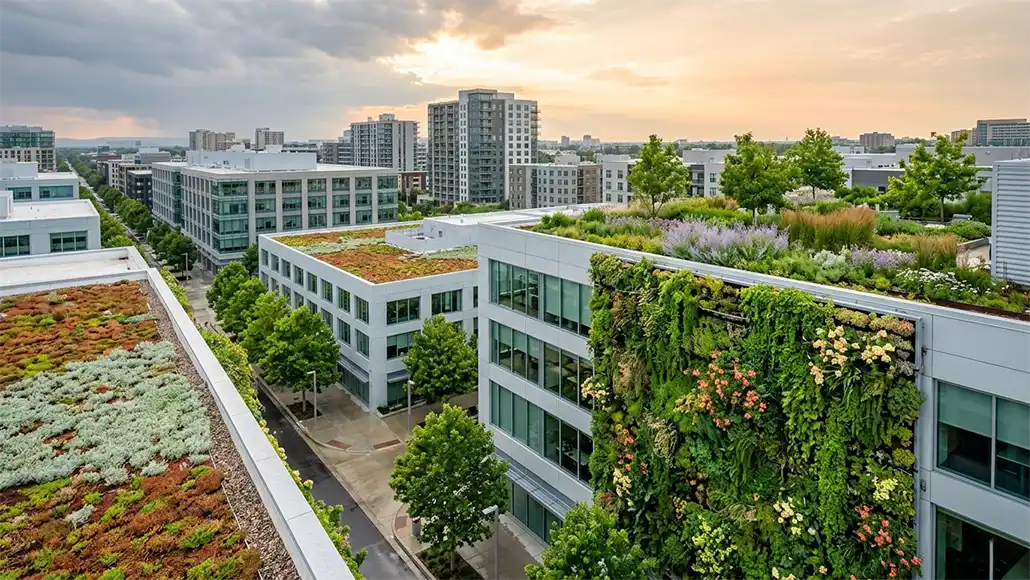
The most effective use of climate resilient infrastructure materials for urban growth often involves a hybrid approach that combines engineered materials with natural systems. Green roofs and living walls utilize specialized lightweight soils and moisture-retention layers to support vegetation that absorbs rainwater and provides natural cooling through evapotranspiration. These forms of resilient infrastructure materials are a vital part of sustainable urban development, as they provide flood protection, heat mitigation, and biodiversity in one integrated package. The use of bio-engineered climate resilient construction materials such as root-permeable structural soils allows trees to thrive in urban settings without damaging pavements. This synergy between the built and natural environments is the hallmark of a truly resilient city, where infrastructure works in harmony with the planet’s ecological processes.
Enhancing Durability Against Extreme Weather and Salt Ingress
In coastal cities and regions prone to severe storms, the chemical and physical resilience of materials is put to the ultimate test. High-velocity winds, flying debris, and the corrosive effects of salt spray can rapidly degrade standard building components. Climate resilient infrastructure materials for urban growth in these areas focus on high-performance alloys, specialized polymer composites, and carbon-fiber-reinforced concretes. These resilient infrastructure materials offer superior environmental resistance, preventing the internal corrosion of structural steel that often leads to catastrophic failure. By prioritizing climate resilient construction that can withstand these harsh conditions, urban centers can protect their long-term investments and ensure that the infrastructure remains functional for its entire intended lifecycle. This focus on construction durability is particularly critical for bridges, ports, and high-rise structures that are the backbone of urban economic activity.
Corrosion-Resistant Alloys and Ultra-High-Performance Concrete
In the pursuit of climate resilient infrastructure materials for urban growth, materials like Ultra-High-Performance Concrete (UHPC) and stainless-steel reinforcement have become game-changers. UHPC offers a compressive strength far beyond traditional concrete, along with a nearly impermeable structure that prevents water and chloride ions from reaching the internal reinforcement. This level of climate resilient construction is essential for infrastructure in saltwater environments or areas where de-icing salts are frequently used. While the initial cost of these resilient infrastructure materials is higher, their ability to last for over a hundred years with minimal maintenance makes them the most cost-effective choice for sustainable urban development. By eliminating the cycle of frequent repairs and replacements, cities can allocate their resources more efficiently, supporting stable and reliable urban growth.
Wind-Resistant Envelopes and Impact-Rated Materials
As the intensity of windstorms increases, the building envelope must be more than just a weather barrier; it must be a structural shield. Climate resilient infrastructure materials for urban growth include impact-rated glass and reinforced cladding systems that can withstand the kinetic energy of wind-borne debris. These forms of climate resilient construction prevent the breach of the building envelope, which is often the precursor to total structural failure during a hurricane or tornado. The use of resilient infrastructure materials like fiber-reinforced polymers for roofing and facades ensures that the building stays intact and dry, protecting both the structure and its contents. This focus on construction durability is not just a safety requirement but a financial one, as it reduces the likelihood of catastrophic insurance claims and ensures that businesses can remain operational in the aftermath of a major storm.
The Economic Imperative of Investing in Resilient Growth
The transition to climate resilient infrastructure materials for urban growth is frequently driven by a rigorous evaluation of lifecycle costs. While the initial investment in high-performance resilient infrastructure materials may be higher than conventional alternatives, the long-term savings in maintenance, repairs, and disaster recovery are immense. A city that must rebuild its infrastructure every few decades due to environmental failure is not economically sustainable. By focusing on construction durability and climate resilient construction, municipalities can lower their risk profile, making them more attractive to institutional investors and reducing the cost of insurance. This economic stability is a prerequisite for sustainable urban development, providing the financial foundation necessary to support continued urban growth in a volatile world. Resilience is, in effect, a form of insurance against the unpredictability of the future, ensuring that the wealth of a city is preserved and protected.
Lifecycle Cost Analysis and Risk-Adjusted Returns
Modern urban planning increasingly uses Lifecycle Cost Analysis (LCCA) to justify the use of climate resilient infrastructure materials for urban growth. This method looks beyond the upfront price and considers the total cost of owning and operating an asset over its entire life. In many cases, resilient infrastructure materials pay for themselves within a decade through reduced energy costs and avoided repairs. For private developers, the use of climate resilient construction techniques can lead to higher property values and more stable tenant occupancy. For public entities, it ensures that taxpayer money is being used to build assets that will serve multiple generations. This data-driven approach to sustainable urban development proves that construction durability is not just an engineering goal but a fundamental economic strategy for resilient urban growth.
Building Social Equity Through Resilient Infrastructure Design
The impact of material selection in climate resilient infrastructure materials for urban growth is deeply connected to social equity. Vulnerable populations in cities are often the most affected by heatwaves and flooding, as they frequently live in areas with the least resilient infrastructure. By implementing climate resilient construction and sustainable urban development strategies across all neighborhoods, city leaders can ensure that the benefits of resilient infrastructure materials are distributed fairly. This includes the use of modular, climate-resilient housing units and the creation of green corridors that provide both flood protection and recreational space. Resilient growth is not just about the strength of materials but about the strength and cohesion of the communities they support. A truly resilient city is one where every citizen is protected from the impacts of climate change, ensuring a safe and prosperous future for all.
Conclusion: Engineering a Resilient Urban Future
In conclusion, the strategic implementation of climate resilient infrastructure materials for urban growth is the most critical factor in the long-term success of modern cities. By moving away from traditional, vulnerable materials and embracing climate resilient construction, urban centers can defend themselves against the increasing threats of a changing environment. These resilient infrastructure materials provide the durability and flexibility required for sustainable urban development, ensuring that infrastructure remains a reliable asset for generations. As we continue to build at a record pace, our commitment to construction durability and material innovation will define the resilience of our global civilization, creating cities that are not only vast and vibrant but also enduring and safe for all who call them home. The path to the future is paved with materials that can withstand the storm, ensuring that our urban growth is as resilient as it is ambitious.
