


























The construction industry is currently navigating a period of profound transition, moving away from fragmented, paper-based workflows toward a highly integrated, digital-first approach. At the heart of this evolution lies BIM integration in construction, a methodology that transcends simple 3D modeling to become the definitive source of truth for the entire project lifecycle. This transformation is not merely about using new software; it represents a fundamental shift in how professionals communicate, collaborate, and execute complex building projects. By bridging the gap between design intent and physical reality, BIM allows for a level of transparency and foresight that was previously unattainable in traditional construction planning environments.
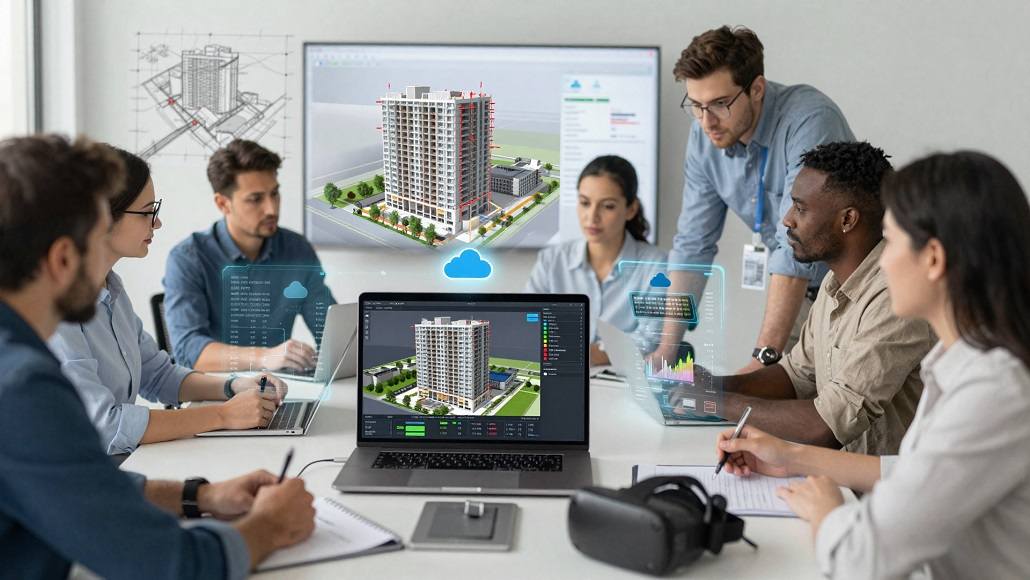
Historically, the construction sector has struggled with productivity gaps and communication silos. Architects, engineers, and contractors often operated in isolation, leading to frequent clashes on-site and costly rework. The introduction of building information modeling has effectively dissolved these barriers. In a modern digital construction planning environment, every stakeholder contributes to a centralized model. This model serves as a multidimensional repository of data, encompassing geometry, spatial relationships, geographic information, and the quantities and properties of building components. When BIM integration in construction is executed correctly, it creates a “digital twin” of the project, allowing teams to simulate the building process, identify potential conflicts, and optimize schedules long before the first excavator arrives at the site.
The adoption of 3D construction modeling has revolutionized the pre-construction phase. In the past, 2D drawings required manual interpretation, which often left room for error and miscommunication. Today, high-fidelity 3D models provide a visual and data-driven representation of the project, making it easier for clients to understand the final product and for contractors to visualize the assembly sequence. However, the true power of BIM integration in construction goes beyond the three dimensions of space. The incorporation of time (4D) and cost (5D) data transforms the model into a powerful management tool. 4D BIM allows planners to visualize the construction sequence day by day, identifying logistical bottlenecks and ensuring that material deliveries and labor requirements are perfectly synchronized. This temporal dimension is critical for urban projects where space is limited and site access must be tightly controlled.
Furthermore, BIM technology adoption is driving significant improvements in sustainability and resource management. By using the model to perform energy analysis and lighting simulations, designers can optimize a building’s performance during the design phase. This proactive approach ensures that the final structure meets stringent environmental standards while reducing long-term operational costs for the owner. On the construction side, precise quantity take-offs generated from the BIM model lead to more accurate material procurement. This accuracy minimizes waste, as contractors only order what is strictly necessary, directly contributing to more sustainable construction practices. The integration of data regarding material sources and carbon footprints also allows for better-informed decisions regarding the environmental impact of specific building components.
The Strategic Impact of Digital Construction Planning
The transition to digital construction planning requires a strategic overhaul of traditional management practices. It is no longer sufficient to simply possess the software; firms must cultivate a culture of data sharing and collaborative problem-solving. BIM integration in construction demands that project teams engage earlier in the process. This “front-end loading” of the project lifecycle means that more decisions are made during the design phase, which reduces the likelihood of changes during the construction phase when they are significantly more expensive to implement. Digital construction planning empowers managers to conduct “what-if” scenarios, testing different construction methods or materials in the virtual world to determine the most efficient path forward.
One of the most significant advantages of building information modeling is its ability to facilitate automated clash detection. In complex projects involving intricate mechanical, electrical, and plumbing (MEP) systems, the risk of components occupying the same physical space is high. Through 3D construction modeling, software can automatically flag these interferences. Resolving a clash between a duct and a structural beam in a digital environment takes minutes, whereas discovering the same issue on-site can lead to weeks of delays and thousands of dollars in added costs. This precision is a cornerstone of modern BIM technology adoption, ensuring that the transition from the computer screen to the physical job site is as seamless as possible.
Enhancing Collaboration through BIM Technology Adoption
Collaboration is the lifeblood of successful construction projects, and BIM integration in construction provides the technical framework to support it. Cloud-based BIM platforms allow team members to access and update the model from any location, ensuring that everyone is working with the most current information. This real-time synchronization is particularly valuable for global projects where designers and engineers may be located in different time zones. By using BIM technology adoption to centralize data, the risk of “information decay” where information becomes outdated or lost as it passes through various hands is virtually eliminated.
The shift toward 3D construction modeling also enhances the safety of the workforce. By simulating the construction process, safety managers can identify high-risk activities and develop mitigation strategies before workers are exposed to hazards. For example, the model can be used to plan the placement of cranes and scaffolding, ensuring that they do not interfere with power lines or other structures. Virtual reality (VR) walkthroughs of the BIM model are also being used for site orientations and safety training, giving workers a familiarization with the site layout before they even step foot on it. This integration of safety into the digital planning phase is a prime example of how BIM integration in construction is fostering a more proactive and protective work environment.
Lifecycle Management and the Future of BIM
The utility of a BIM model does not end when the construction phase is complete. In fact, one of the greatest values of BIM integration in construction lies in its application for facility management. As-built models, which reflect the final state of the project including all changes made during construction, are handed over to the owner. These data-rich models provide facility managers with a comprehensive manual for the building, detailing the location and specifications of every valve, sensor, and mechanical unit. This information is invaluable for maintenance and future renovations, as it allows managers to locate systems behind walls or under floors without invasive exploration.
Looking ahead, the evolution of building information modeling will likely involve deeper integration with the Internet of Things (IoT) and artificial intelligence (AI). Sensors embedded within the building can feed real-time performance data back into the BIM model, creating a “living” digital twin. AI algorithms can then analyze this data to predict equipment failures or optimize energy consumption patterns. As BIM technology adoption becomes the global standard, the industry will move closer to a fully autonomous and data-driven ecosystem. The continued refinement of 3D construction modeling will also see the integration of augmented reality (AR) on the job site, allowing workers to overlay the digital model onto the physical structure to guide installation and inspection processes.
Key Takeaways for Construction Leaders
Successfully implementing BIM integration in construction requires a commitment to transforming the traditional workflow. Leaders must invest not only in the technical infrastructure but also in the training and development of their teams. The transition from a reactive, problem-solving mindset to a proactive, simulation-based approach is essential for capturing the full value of digital construction planning. By prioritizing building information modeling, firms can achieve higher levels of precision, reduce waste, and deliver projects that are more aligned with the needs of the client and the environment.
The future of the built environment depends on our ability to harness data effectively. 3D construction modeling is the vehicle that carries this data from the earliest stages of design through to the end of a building’s life. As the industry continues to embrace BIM technology adoption, the boundaries between the digital and physical worlds will continue to blur, leading to a more efficient, safe, and sustainable construction industry. The integration of BIM is no longer a competitive advantage for the few; it is a fundamental requirement for any organization seeking to thrive in the modern landscape of construction planning.
