



























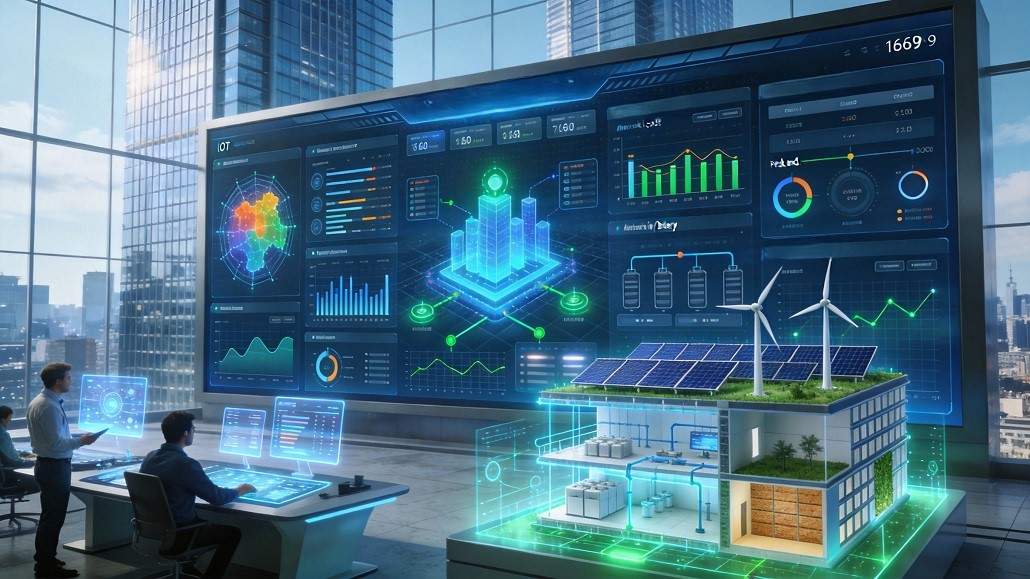

The traditional definition of a high-performance building has undergone a radical and necessary transformation in recent years. No longer is it sufficient for a structure to simply be well-insulated and equipped with basic energy-efficient lighting. Today, the global gold standard for excellence is defined by smart building energy performance a new paradigm where the building itself acts as an active, intelligent, and highly responsive partner in the management of its own resources. These structures utilize a vast and dense network of sensors, internet-of-things (IoT) devices, and advanced data analytics to ensure that every single watt of electricity and every drop of water is used with maximum possible efficiency.
By setting these new, aggressive benchmarks for operational excellence, smart buildings are demonstrating to the world that it is entirely possible to achieve superior levels of human comfort and productivity while simultaneously and significantly reducing the environmental impact of the built environment. This is not just an incremental improvement; it is a fundamental shift in how we build and operate the world around us.
The Core Components of Smart Building Energy Performance
The essential foundation of any high-performing, truly intelligent structure is a robust and deeply integrated building automation system. This system serves as the digital “brain” of the structure, coordinating the complex activities of various utilities based on a constant stream of real-time data. For example, modern smart buildings can adjust lighting and temperature levels with incredible precision in response to actual, live occupancy rather than relying on outdated and rigid static schedules.
By utilizing high-fidelity motion sensors, heat maps, and CO2 monitors, the building can detect exactly how many people are in any given room at any moment and adjust the HVAC settings accordingly. This granular level of precision is fundamental to energy optimization, as it ensures that expensive energy is only consumed where and when it is truly needed by the occupants. This shift from reactive, broad-based management to proactive, targeted response is the key differentiator in modern sustainable design, allowing for massive savings without any compromise in the user experience.
Data-Driven Optimization and the Power of Predictive Analytics
What truly and decisively sets smart buildings apart from traditional structures is their inherent ability to learn, adapt, and improve over time. Through the continuous collection and multi-dimensional analysis of vast amounts of performance data, these structures can identify hidden patterns and anticipate future needs before they even arise. Predictive analytics allow a building to prepare for peak demand periods such as an unusually hot summer afternoon by pre-cooling the interior during the early morning hours when electricity is significantly cheaper and the cooling equipment can operate at its peak efficiency.
This proactive and intelligent approach to smart building energy performance not only reduces the peak load on the regional electrical grid providing a vital service to the community but also drastically lowers the building’s overall monthly operating costs. By turning raw, often-ignored data into clear and actionable insights, facility managers can achieve levels of operational efficiency that were previously considered theoretically impossible. The building essentially becomes its own energy manager, constantly looking for ways to do more with less.
Sustainable Design and the Seamless Integration of Renewable Energy
Smart buildings are also uniquely and specifically equipped to handle the complex challenges and opportunities presented by the global renewable energy transition. Many modern high-performance structures now feature extensive on-site energy generation, such as high-efficiency rooftop solar arrays, micro-wind turbines, or even hydrogen fuel cells. Intelligent energy optimization systems are the keys to managing the flow of this green power, deciding with split-second timing when to use it immediately for internal loads, when to store it in advanced battery systems for later use, and when to sell it back to the utility grid for a profit.
This level of digital sophistication ensures that the building maximizes its use of clean, self-generated energy, further enhancing its overall smart building energy performance and reducing its reliance on external, carbon-heavy sources. Furthermore, the intelligent use of passive sustainable design features such as high-performance building envelopes, phase-change materials, and natural ventilation systems provides a stable and resilient foundation that significantly reduces the baseline workload on the active mechanical systems, allowing them to last longer and perform better.
The Paramount Importance of Connectivity and System Interoperability
The ultimate effectiveness of any smart building technology depends heavily on the ability of vastly different systems to communicate seamlessly and securely. In the past, proprietary “black box” systems from different vendors often hindered true energy optimization because they could not share data. Today, the industry-wide move toward open standards and interoperable building automation is finally allowing for greater synergy across all building functions.
When the security system, the elevators, the HVAC, and the lighting are all part of a single, unified, and secure conversation, the opportunities for energy efficiency are multiplied exponentially. For example, if a security badge is swiped at the entrance, the building can immediately and automatically begin preparing that specific floor and office for that specific individual’s arrival, ensuring that energy is used with surgical, rather than blanket, precision. This connectivity is the “glue” that holds the smart building together and makes its high performance possible.
Setting New Benchmarks for Future Urban Development
As we look toward the future of our increasingly crowded and energy-hungry cities, the lessons learned from the current and coming generations of smart buildings will be absolutely vital. The benchmarks being set today for energy performance and operational intelligence are rapidly becoming the new, non-negotiable baseline for all future construction and major urban redevelopment projects. This progress is being driven by a powerful combination of technological innovation, investor demand for ESG-compliant and low-risk assets, and a growing, global recognition of the urgent need for decisive climate action.
Smart building energy performance is no longer just a technical or engineering metric; it is a vital and central component of a resilient, sustainable, and productive urban future. By continuing to push the boundaries of what is possible with data and technology, we can create a built environment that does not just house our activities, but actively and intelligently contributes to the health of its occupants and the long-term health of our planet. The buildings of the future are here, and they are smarter than we ever imagined.
