



























The global push toward decarbonization has placed the construction and building management sectors under intense and necessary scrutiny. As heating remains one of the most energy-intensive requirements in residential and commercial structures accounting for a vast portion of global carbon emissions the development and implementation of energy efficient heating have become non-negotiable pillars of modern engineering. Low carbon buildings are no longer a niche preference for the environmentally conscious or a luxury addition to high-end developments; they are rapidly becoming the global standard mandated by international regulations, corporate sustainability goals, and the evolving expectations of a marketplace that values resilience and efficiency.
Achieving these ambitious goals requires a holistic and integrated approach that combines high-performance insulation, innovative heat generation technologies, and intelligent distribution networks that minimize energy loss. The transition from fossil-fuel-based heating to electrified and renewable systems is not just a technological swap; it is a fundamental shift in how we think about the thermal lifecycle of the built environment.
The Evolution of Sustainable Heating Systems
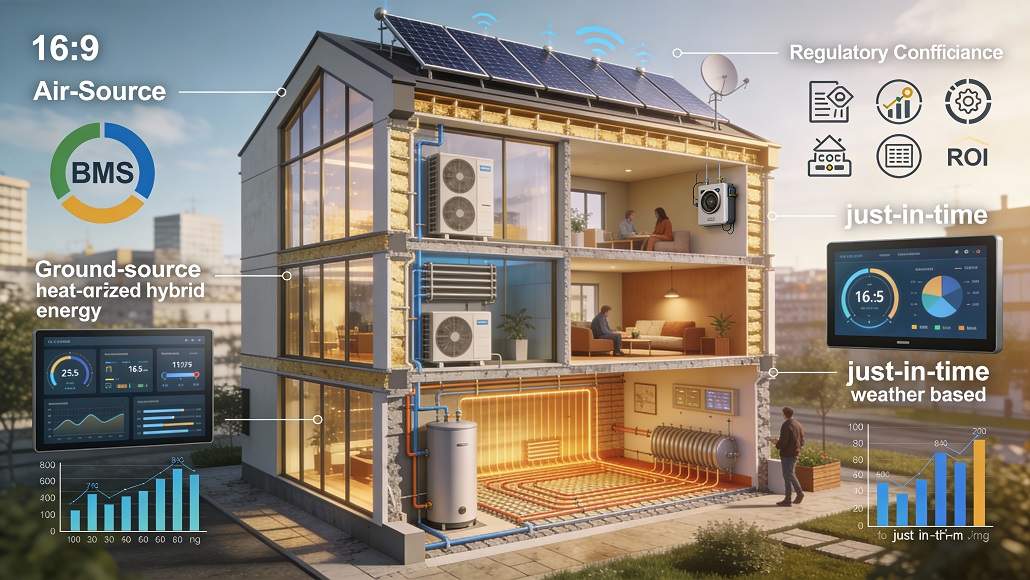
For the greater part of the last century, the standard for interior heating relied heavily on the combustion of fossil fuels, a process that is inherently inefficient, carbon-intensive, and subject to the volatility of global commodity markets. In the modern context of low carbon buildings, the shift toward sustainable heating systems involves a definitive transition toward electrification and the utilization of ambient energy sources. Technologies such as high-efficiency air-source and ground-source heat pumps, biomass boilers, and solar thermal collectors are now at the absolute forefront of this change.
These systems are designed to extract the maximum possible heat from every unit of energy consumed. Heat pumps, for instance, do not generate heat through combustion; they move it from one place to another. This allows them to achieve efficiencies that far exceed one hundred percent often reaching three hundred to four hundred percent when compared to traditional gas or oil boilers. This leap in performance is fundamental to improving overall building energy performance and is a primary driver in the reduction of operational carbon footprints.
Thermal Performance and Building Envelope Integration
It is a core principle of modern engineering that energy efficient heating cannot be viewed in isolation from the structure it serves. The effectiveness of even the most advanced heating system is fundamentally limited by the building’s ability to retain the thermal energy it receives. Green construction practices emphasize the paramount importance of a high-performance building envelope, which includes superior insulation materials, triple-glazed windows with low-emissivity coatings, and airtight sealing to prevent thermal bridging.
By significantly reducing the heat demand of the structure itself, the requirements placed on the heating equipment are lowered. This allows for the installation of smaller, more efficient units that can maintain comfortable temperatures while consuming minimal electricity. This synergy between the architectural shell and the mechanical systems is what truly defines a low carbon building. It ensures that the energy invested in heating remains inside the building for as long as possible, maximizing every kilowatt consumed.
Strategic Implementation in Green Construction
Integrating advanced heating solutions during the initial design phase of a project is significantly more cost-effective and efficient than attempting to retrofit older, less efficient structures. In the realm of green construction, architects and mechanical engineers work in close collaboration to optimize the placement of heating elements and the routing of distribution networks. Radiant floor heating, for example, is often preferred in modern low-carbon designs because it operates at much lower water temperatures than traditional radiators while providing more consistent and comfortable warmth.
This lower operating temperature is a perfect match for renewable energy sources like heat pumps, which operate most efficiently when the temperature difference between the source and the delivery is minimized. Furthermore, the use of decentralized heating zones allows for precise, localized control, ensuring that heat is only delivered to the areas of the building that are currently in use. This “just-in-time” approach to heating further reduces waste and ensures that unoccupied spaces are not unnecessarily conditioned.
Regulatory Drivers and the Economic Case for Efficiency
The global transition to energy efficient heating is being significantly accelerated by a tightening regulatory landscape. Governments around the world are introducing stricter energy codes, mandatory carbon reporting, and even outright bans on new fossil fuel connections in some jurisdictions. These policies are making traditional, high-carbon heating methods increasingly expensive and legally complex to maintain. Beyond the simple requirement for compliance, however, there is an increasingly compelling economic case for the adoption of sustainable heating systems.
While the initial capital investment for systems like geothermal heat pumps may be higher than for traditional boilers, the long-term savings in operational costs are substantial and predictable. Lower energy bills, reduced maintenance requirements due to the absence of combustion-related wear, and the significantly increased asset value of high-performance buildings provide a clear and profitable path to return on investment for developers and property owners. In a world where energy security is a growing concern, the ability to generate or move heat efficiently is a major competitive advantage.
The Role of Intelligent Monitoring and Control
Modern energy efficient heating solutions are increasingly defined by their digital intelligence as much as their mechanical prowess. Smart thermostats and building management systems allow for real-time monitoring of building energy performance, providing a wealth of data that can be used to further refine operational settings. These systems can learn the specific thermal characteristics of a building such as how long it takes to recover from a temperature setback and adjust the start times of the heating cycle accordingly to minimize peak energy use.
By integrating real-time weather data, these controls can also prepare for sudden drops in outdoor temperature, ensuring that comfort is maintained without a frantic, energy-intensive spike in demand. This level of sophistication ensures that energy efficient heating is not just a one-time hardware upgrade but a smart, ongoing management strategy that evolves with the building’s needs. This digital layer is essential for achieving the highest levels of performance in the next generation of low carbon buildings.
The Human Element: Comfort and Well-being
Ultimately, the goal of any heating system is to provide a comfortable environment for human activity. Energy efficient heating solutions often provide a superior level of comfort compared to traditional forced-air systems. Radiant systems, for example, eliminate the drafts and noise associated with fans, providing a silent and even warmth that mimics the natural feeling of the sun. By maintaining stable temperatures and reducing the circulation of dust and allergens, these sustainable systems contribute to the overall health and well-being of the building’s occupants.
In health-focused building design, the choice of heating system is a critical decision. Low carbon buildings that prioritize energy efficient heating are not only better for the planet; they are better for the people inside them. This focus on the “human-centric” aspect of building performance is a key trend in the industry, ensuring that the drive for efficiency does not come at the expense of comfort or health.