






















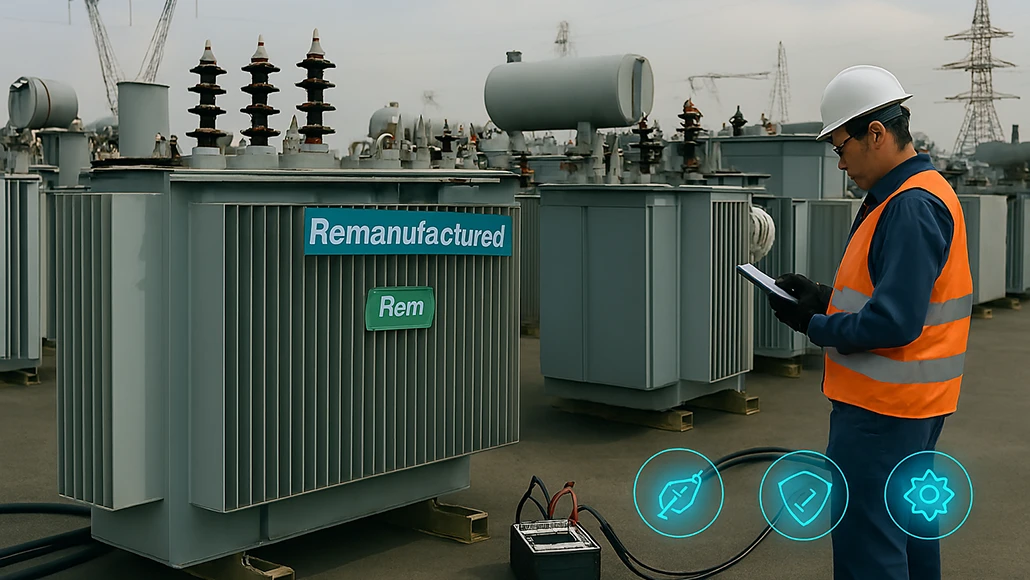


The adoption of renewable energy, grid modernization and rapid urbanization are only several causes of increased electrical demand. Even disruptive technologies like artificial intelligence are forcing companies’ hands on how to expand infrastructure, procuring as many assets as possible to stay ahead of the competition. This is one of the many reasons why remanufactured transformers have become commonplace, as acquiring them used and tested is often preferable to forgoing them completely.
The Market Surrounding Remanufactured Transformers
One researcher from the National Renewable Energy Laboratory claimed distribution transformers were the bedrock component of national power in a report about the future of energy. By 2050, the U.S. grid will need between 160% and 260% more transformers compared to 2021. With an increase of this magnitude, equipment must become more affordable and available to satisfy the need.
Greater demand could have numerous side effects, including fluctuating prices and supply chain disruptions. There may be inadequate supplies of new transformers near a utility provider, which can delay installations or jeopardize bid prospects. New technologies may be difficult to justify purchasing, while finding reliable distributors for used equipment requires time-consuming vetting processes.
However, the time and financial investment may be worthwhile, given the current state of the transformer market. Aggregations suggest reconditioned machinery could be 10%-40% cheaper than new models. Prices for mint-condition transformers have been on the incline since 2020, though they offer the benefit of lower maintenance requirements and costs due to low wear and tear.
Investors have to consider how expenses for the equipment will vary based on the initial investment. It will be higher initially for new machinery, with expected upkeep costs. Refurbished transformers may have variable maintenance expenses, but they offer a lower initial price tag. Warranties will also differ, depending on the provider and condition.
Additionally, the choice to purchase new or used may also depend on lead times. Reconditioned equipment may be readily available within a month, while new machinery could have a wait of up to four years. Companies and utilities may experience financial losses if they are unable to serve clients, leading to a loss of trust and degradation of their reputation. These side effects may prompt leaders to explore alternative avenues.
Reasons to Purchase Remanufactured Transformers Over New Ones
Despite the number of trustworthy outlets and benefits, some organizations may still feel the need to purchase new transformers. However, in addition to cost savings and faster lead times, these are the other reasons why experts are opting for used equipment instead of relying on the reliability of transformers off the shelf.
Environmental Sustainability
E-waste is a global issue, and with the increasing number of nations upgrading their grids, the problem is expected to continue escalating. Used transformers slash potential landfill waste and chemical contamination. This is essential for wildlife and habitat preservation, as many transformers could leak harmful chemicals and oils into nature.
Brands will reduce their environmental footprints by investing in technology with lower embodied carbon. There is no need to mine new materials or destroy habitats to manufacture them. The grid can utilize existing resources, supporting a circular economy and extending equipment lifespans.
Quality and Reliability
Despite the term “used” having a slightly negative connotation, they can be just as rigorously tested and functional as new equipment. Companies specializing in repairing used units incorporate performance testing as part of their quality assurance, certifying they will operate in live environments. They are also reliable because of their shorter lead times, which is ideal for those that need transformers for short-term or backup applications.
Fewer Compatibility and Engineering Issues
Interoperability is a known pain point when integrating new machinery into an antiquated grid. Fortunately, refurbished equipment is already known to be compatible, presenting fewer engineering issues during the installation process. These transformers are certified for their reliability and usability, presenting fewer challenges for operators in the long run. They also minimize costs associated with design retrofits or replacement installations.
Custom and Flexible Solutions
When businesses renew a transformer for its second or third life, subsequent repairs could include retrofits to make it even better than it was before. Those requesting remanufactured models can collaborate with providers to determine the performance expectations and capabilities they want in their machinery, and can facilitate this process through modifications.
Buyback Program Potential
Some leaders in the transformer space incentivize electrical and construction professionals to trade in equipment that requires repair. If a business has a surplus, it can collaborate with a remanufacturer to bring it back into functional use. This could make acquiring equipment even more cost-effective, as the buyback can offset upcoming expenses.
The Top Places to Find Remanufactured Transformers
When there are so many suppliers to pick from, which are the most dependable and high-quality?
1. Sunbelt Solomon
Sunbelt Solomon has over a century of combined experience, representing some of the most knowledgeable minds in the transformer sector. Its distribution services span the U.S., which makes them accessible and cost-effective. Its refurbished models could have better performance than new machines, regardless of whether it is a dry-type, padmount, substation or polemount transformer.
It also has rental options to support other goals, including custom projects and emergency outages and temporary fixtures. Sunbelt’s commitment to the environment is unmatched, making it an ideal choice for customers who prioritize ESG goals. This partner lets customers decide how they want to own and manage their transformers, with tons of end-of-life management options to keep them thriving, including recycling, maintenance and repair programs.
2. MGM Transformers
MGM Transformers has been around since 1975, and it stocks new and used transformers. Shoppers can pick between models like dry-type and liquid-filled variants, but this brand is known for its flexibility in personalized designs. If buyers are looking for companies specializing in a niche, MGM has a reputation in the industrial and utility sectors, particularly for its attention to compliance.
Its team is unique because of its focus on advanced engineering. This contributes to its electrical efficiency, which is represented by its Department of Energy compliance. MGM maintains this quality within its large manufacturing network.
3. Howard Industries
Howard Industries is known among heavy industry professionals for its durable transformers. It offers holistic repair and remanufacturing, and even organizations that take its products for independent refurbishment experience extended lifespans because of the inherent quality. The team offers everything from distribution to network transformers, in addition to enclosures, voltage regulators, OEM components and more.
Consumers need only communicate with the customer service team to discover refurbished options. Alternatively, Howard has an extensive library of published catalog information, which answers any questions prospective buyers may have about specific makes and models. They can use these educational resources to see how the transformers used to run and judge their worth after refurbishment.
4. Hitachi Energy
Hitachi Energy is recognized for its extensive service catalog and strong brand presence. Its international presence sets it apart from other competitors. It strongly advertises its environmental commitments, providing extensive information about its remanufactured transformer operations. Its added-value proposals include rehabilitation and sustainable life extension, and Hitachi’s resources outline the process and its scope clearly for consumers.
The company is also recognized for its innovative and digitalization efforts, which enhance its potential for research and development. Those who invest in these transformers may eventually receive cutting-edge refurbishments thanks to the substantial resources Hitachi has to invest in these insights.
5. Northern Transformer Corporation
Northern Transformer Corporation operates out of Ontario, Canada, and has done so since the 1980s. It delivers high-quality remanufactured equipment to all of North America, specializing in grounding transformers and personalized power solutions ranging from five to 200 MVA. Its products are durable, cost-effective and ideal for utility and industrial applications.
Northern Transformer is a constantly scaling entity seeking to provide more of its resources to a wider customer base. It recently broke ground on another facility, demonstrating a willingness to supply more resources to the public. Its focus remains on producing new equipment, which gives the company an edge over its competitors in adhering to current regulatory standards and incorporating technological advancements for future transformer designs, including used models.
6. Core Transformers
Core Transformers allows customers to buy, sell, rent, repair and customize transformers, tailoring every product from every angle. It specializes in padmount, substation and dry-type variants, with a massive inventory of thousands to choose from. Its team promises the fastest quotes for made-to-order products, with rapid lead times compared to industry standards.
Additionally, the team at Core also fixes transformers and related equipment, educating customers by providing a thorough inspection beforehand. It has served some of the world’s most notable brands, including Walmart, AT&T and Toyota, which represent its reliability and quality standards. As a bonus, its customer service is available 24/7, every day of the year via calling and texting, answering every inquiry in a timely fashion.
7. Hammond Power Solutions
Hammond Power Solutions is a leader in dry-type transformers, offering a range of products that can be remanufactured to industry standards. It is the largest manufacturer of its kind, and its designs think ahead to when its equipment will eventually receive repairs. Its standard and custom transformers are shipped and trusted around the world, contributing to everything from renewable energy buildout to commercial infrastructure.
Hammond is also known for its robust technical support. Its team can answer any questions — including troubleshooting queries — through its platform without requiring an on-site visit. They also offer robust educational resources for curious minds who want to learn more about the intricacies of transformers and their future applications. Through webinars, instructional sheets and more, Hammond covers all the bases to ensure shoppers are experts.
8. RESA Power
RESA Power revamps old transformers from the ground up, promising savings between 60%-70% compared to new products. Its customer-centric approach is visible through its custom delivery timetables and competitive lead times. The business also offers valuable services like oil testing and switchgear equipment to ensure that every aspect of the transformer is properly cared for.
RESA always maintains a large inventory of high-quality equipment from a variety of brands, ensuring buyers receive immediate service. Easily browse its inventory using its accessible interface, or speak to a consultant who can explain the product’s sustainable impact, remanufacturing process and testing specifications. This level of transparency will inspire confidence in any customer.
The Methodology for Choosing the Best Remanufactured Transformer Supplier
Deciding which distributor or supplier to trust with refurbished equipment can take some decision-making, even if teams have a narrowed-down list. These organizations represent these qualities, determining the industry’s best options:
- Years of experience: Each option has decades or more of expertise, with more when combining the knowledge of team members.
- Sustainable mindset: Committing to refurbishment already demonstrates environmental priorities others lack, helping purchasers reduce waste and support biodiversity through their partnerships.
- Available supply and quick shipping: The best remanufactured transformer businesses maintain sizable inventories and offer rapid delivery, particularly in emergency situations.
- Holistic customer service: They offer rentals, repairs, warranties or other services to extend the transformer’s life cycle.
A final quality buyers may want to consider is innovation. This could be in how a provider administers its customer service, with one-on-one, dedicated attention. It could also be part of the refurbishment process itself, which shoppers can learn more about by inquiring with the service teams. This can also highlight these companies’ levels of transparency and personability with potential clients.
Making a Smart, Sustainable Choice for Your Power Needs
Buying used can mean purchasing a product that is even more efficient and ethical than a new one. Regarding transformers, the market requires businesses to invest in refurbished options. Otherwise, there will not be enough equipment available, especially in urgent situations.
Stakeholders must make it a goal to foster the industry of remanufactured transformers by contacting these enterprises for the most reliable options. The collective effort will reinforce the grid and make it more resilient for the future.