


























Key Takeaways
- Early planning and scope definition prevent costly changes during project execution
- Prefabrication and modular construction reduce labor costs and material waste simultaneously
- Lean construction principles eliminate inefficiencies and optimize material flow
- Strategic bulk purchasing and vendor consolidation yield significant volume discounts
- Continuous cost monitoring and real-time adjustments maintain budget control throughout projects
The economics of construction hinge fundamentally on managing material costs, which typically represent between 50 and 60 percent of total project expenses in material-intensive operations. For contractors and developers overseeing projects that depend heavily on concrete, steel, and specialized materials, the difference between controlled and uncontrolled material consumption directly determines profitability and project viability. Strategic cost optimization approaches address this challenge by implementing systematic methodologies that reduce waste, improve efficiency, and negotiate favorable terms all while preserving the quality and performance standards essential for successful project completion.
Effective cost optimization in material-intensive construction begins long before the first materials arrive on site. The planning and design phases establish cost trajectories that reverberate throughout project execution. During these critical early stages, opportunities emerge to reconsider design approaches, evaluate material alternatives, and establish procurement strategies that collectively determine whether a project operates within budget or faces escalating cost pressures.
Establishing Foundation Through Strategic Planning
The foundation of material-intensive cost optimization rests on comprehensive project planning that defines scope with precision and allocates resources systematically. Projects that lack clear scope definition inevitably encounter change orders, material overages, and scheduling conflicts that compound costs unnecessarily. Experienced project teams invest substantial effort in preconstruction planning, developing detailed specifications that leave minimal room for interpretation during material procurement and installation.
This planning process should include detailed quantity takeoffs that calculate exact material requirements for every construction element. Experienced estimators cross-check quantities multiple times, collaborate with suppliers to verify material specifications, and build relationships with vendors who provide accurate pricing based on detailed requirements. The specificity of this preconstruction effort directly prevents the over-ordering of materials that characterizes poorly planned projects.
Breaking the overall project into smaller, manageable components a process known as developing a Work Breakdown Structure (WBS) facilitates more precise cost estimation and budget tracking. Rather than estimating costs for the entire project as a monolithic entity, teams allocate budgets to specific phases, activities, and sub-tasks. This granular approach enables identification of cost overruns in real time and allows managers to implement corrective measures before minor deviations become significant problems.
Leveraging Prefabrication and Modular Construction
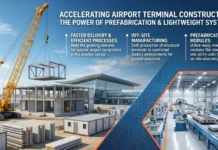
Among material-intensive cost optimization strategies, prefabrication and modular construction stand out for their dramatic impact on project economics. These approaches involve manufacturing significant portions of the structure in controlled factory settings where quality control is rigorous, material waste is minimized, and labor productivity reaches maximum efficiency. Completed components are then transported to the construction site for assembly, eliminating the need for on-site fabrication and its attendant inefficiencies.
The cost advantages of prefabrication extend across multiple dimensions. Factory settings allow optimization of material cutting and assembly, minimizing scrap and waste compared to on-site construction where tight schedules and variable site conditions often lead to inefficient material usage. Labor productivity improves dramatically when workers operate in climate-controlled facilities free from weather delays and site congestion. Quality control mechanisms embedded in factory processes catch defects before components leave the facility, reducing costly rework on site.
Modular construction takes prefabrication further, creating larger building units sometimes entire floor sections or building segments
that arrive at the site ready for immediate installation. This approach compresses construction schedules substantially, reducing on-site labor requirements and associated overhead costs. Early project completion also accelerates revenue generation for building owners and reduces carrying costs for construction financing.
Implementing Lean Construction Principles
Lean construction represents a comprehensive philosophy focused on eliminating waste and improving processes to deliver projects with maximum efficiency. This approach adapts principles from manufacturing environments, recognizing that construction projects contain substantial non-value-added activities that consume resources without directly contributing to the final product.
Value, in lean thinking, refers to what the customer actually wants and is willing to pay for. Everything else constitutes waste redundant activities, unnecessary movement of materials, waiting periods, poor communication, and inefficient coordination. By systematically identifying and eliminating these wasteful elements, lean construction reduces overall project costs while improving schedule adherence and quality outcomes.
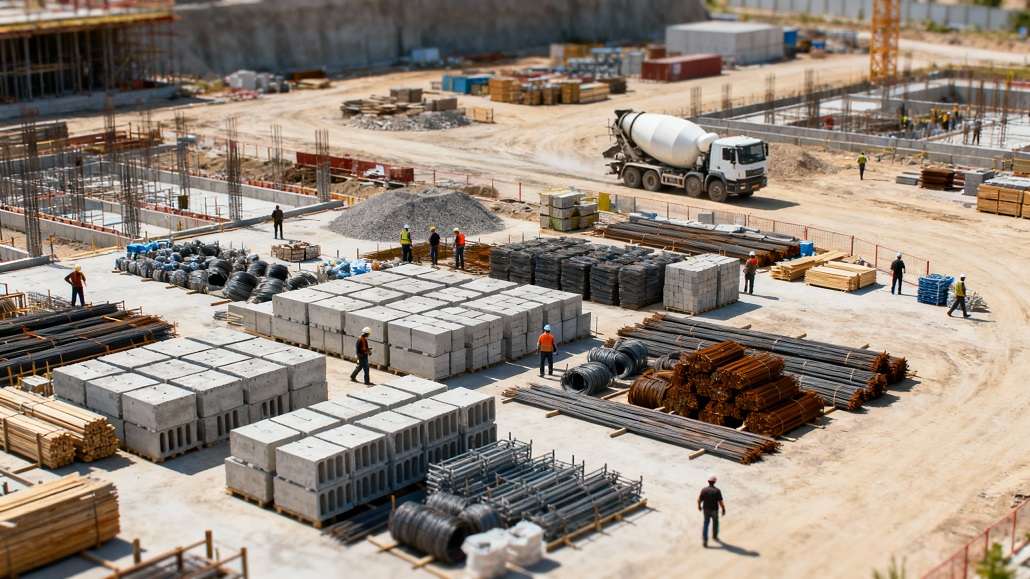
Just-in-time delivery exemplifies lean thinking in material procurement. Rather than storing vast quantities of materials on site for extended periods consuming space, requiring security, and risking deterioration or theft materials arrive precisely when needed for installation. This approach dramatically reduces storage costs, minimizes material handling, and prevents the waste associated with damaged or obsolete materials sitting idle. Effective just-in-time systems require excellent communication between procurement teams and subcontractors, precise scheduling, and reliable supplier relationships.
Continuous improvement, another core lean principle, embeds a culture of ongoing process refinement throughout project execution. Rather than accepting inefficiencies as inevitable, teams systematically identify problems, implement solutions, measure results, and adjust approaches based on performance data. This continuous learning cycle, applied across multiple projects over time, drives cumulative improvements in material efficiency and cost performance.
Strategic procurement forms the backbone of material-intensive cost optimization. Rather than treating material sourcing as a transactional process where the lowest-bid supplier wins every opportunity, strategic procurement evaluates total cost of ownership, including not only purchase price but also delivery logistics, quality reliability, warranty performance, and long-term partnership potential.
Bulk purchasing and vendor consolidation create powerful leverage in negotiations with suppliers. When contractors commit to purchasing larger quantities or consolidating purchases with fewer suppliers, suppliers respond with significant volume discounts. Rather than distributing purchases among numerous vendors a fragmented approach that captures no volume advantages strategic procurement consolidates spending with proven suppliers capable of delivering consistent quality and reliable service.
Building strong relationships with key suppliers creates opportunities for collaboration that extend beyond simple price negotiation. Suppliers providing consistent volume often invest in optimizing their service to important customers, improving delivery schedules, providing technical support, and offering flexible terms that accommodate project-specific needs. These partnership relationships prove particularly valuable during periods of material scarcity or market volatility, when suppliers prioritize reliable customers over one-time purchasers.
Local sourcing reduces transportation costs, improves delivery reliability, and builds community relationships that can prove beneficial over the long term. The time and expense of long-distance shipping, particularly for heavy materials like concrete and structural steel, represents a significant cost component that decreases with local sourcing. Reduced transportation also diminishes environmental impact and aligns with sustainability objectives increasingly important to sophisticated clients.
Implementing Waste Reduction and Resource Management
Material wastage represents one of the most controllable cost variables in construction projects, yet many operations fail to systematically address it. Common sources of waste include over-ordering that exceeds actual project needs, miscalculating quantities, inefficient cutting and assembly that produces excessive scrap, and poor handling that damages materials rendering them unusable.
Careful planning prevents the largest source of waste: over-ordering materials. Precise quantity takeoffs during the preconstruction phase ensure that only necessary amounts are ordered. Proper storage techniques preserve material condition, preventing deterioration that renders materials unusable and forces replacement. For materials like cement that absorb moisture and deteriorate in humid conditions, simple protective measures ensure that stored materials remain viable until installation.
Efficient resource utilization extends beyond eliminating waste to optimizing the productivity of labor and equipment. Careful coordination of trades prevents waiting periods where one trade stands idle awaiting completion of prior work. Well-organized material delivery sequences ensure that materials arrive when needed, neither so early that storage becomes burdensome nor so late that installation delays occur. Equipment scheduling prevents redundant mobilization costs and maximizes utilization rates.
Energy-efficient design incorporated during the planning phase reduces ongoing operational costs that extend far beyond the construction period. Buildings designed with superior insulation, efficient HVAC systems, and optimized daylighting consume less energy throughout their operational lives, delivering value that far exceeds the modest cost premium of efficient design.
Monitoring Costs and Managing Contingencies
Once project execution begins, continuous cost monitoring ensures that actual expenditures align with budgeted amounts. Real-time tracking of expenses against the budget baseline allows identification of variances before they accumulate into significant overruns. Digital tools and project management software facilitate this monitoring, providing visibility into spending patterns and enabling quick identification of cost drivers requiring management attention.
Contingency reserves typically 5 to 10 percent of total project budget provide buffers for unforeseen expenses that invariably emerge during construction. However, contingency reserves should not be treated as discretionary funds available for project enhancements or design changes. Rigorous contingency management preserves these reserves for genuine emergencies, ensuring that the project maintains financial flexibility when unexpected conditions arise.
Regular reassessment of contingency reserves based on emerging risks keeps contingency planning relevant as the project progresses. Early in the project, numerous potential risks exist that may or may not materialize. As construction advances and risks are resolved or eliminated, the contingency reserve can be adjusted accordingly, potentially releasing funds to other project priorities.
Value Engineering and Material Alternatives
Value engineering evaluates the function that materials and systems provide, seeking alternative approaches that deliver equivalent functionality at lower cost. This systematic approach differs fundamentally from simple cost-cutting, which often compromises quality or performance. Value engineering maintains functional requirements while reconsidering implementation approaches.
For example, a specification for high-strength concrete in non-critical applications might be reconsidered through value engineering analysis. If a lower strength concrete can satisfy functional requirements with adequate safety margins, the cost savings associated with reduced cement content prove substantial while performance remains adequate. Similarly, material substitutions using one material category in place of another while maintaining necessary performance can yield significant savings when appropriately specified.
The key to successful value engineering lies in involving experienced professionals early in the process, before designs become fixed and change becomes costly. Material specialists, structural engineers, and construction managers collaborating during design phases can identify high-cost elements and evaluate alternatives that preserve functionality while reducing cost. This collaborative approach captures cost optimization opportunities that become increasingly difficult and expensive to implement once construction is underway.
Sustaining Cost Optimization Culture
The most effective organizations institutionalize cost optimization as a core cultural value, embedding it in project management processes and performance metrics. Project teams that view cost control as integral to professional excellence rather than as an unwelcome constraint systematically identify opportunities for improvement and execute cost optimization strategies effectively.
Successful cost optimization extends beyond individual projects to build cumulative learning across the organization. Metrics tracking material waste, labor productivity, equipment utilization, and schedule performance on one project inform planning for subsequent projects. Teams learn which suppliers deliver reliable quality at competitive prices, which material specification strategies optimize value, and which process approaches minimize waste. This accumulated knowledge compounds over time, creating organizational capabilities that outperform competitors lacking similar systematic approaches.
Material-intensive construction projects that embrace comprehensive cost optimization strategies deliver results that benefit all stakeholders. Owners receive completed facilities within allocated budgets, contractors achieve appropriate profit margins while developing reputation for reliable delivery, and employees gain employment with organizations valuing efficiency and quality equally. Through strategic planning, prefabrication, lean principles, and rigorous cost management, construction professionals transform material-intensive projects from cost-heavy exercises into efficiently executed enterprises that demonstrate how quality and economy can reinforce rather than contradict one another.